


As holiday shopping begins, a Seventh Circuit appeal over gloves allegedly made in a Chinese prison asks how far the federal civil trafficking remedy reaches.
STUART, Fla., Nov. 16, 2026. A federal appeals court is deciding whether a person forced to work in a foreign prison can sue the American company that sold what he made. The question lands as holiday shopping begins and store shelves fill with goods made overseas.
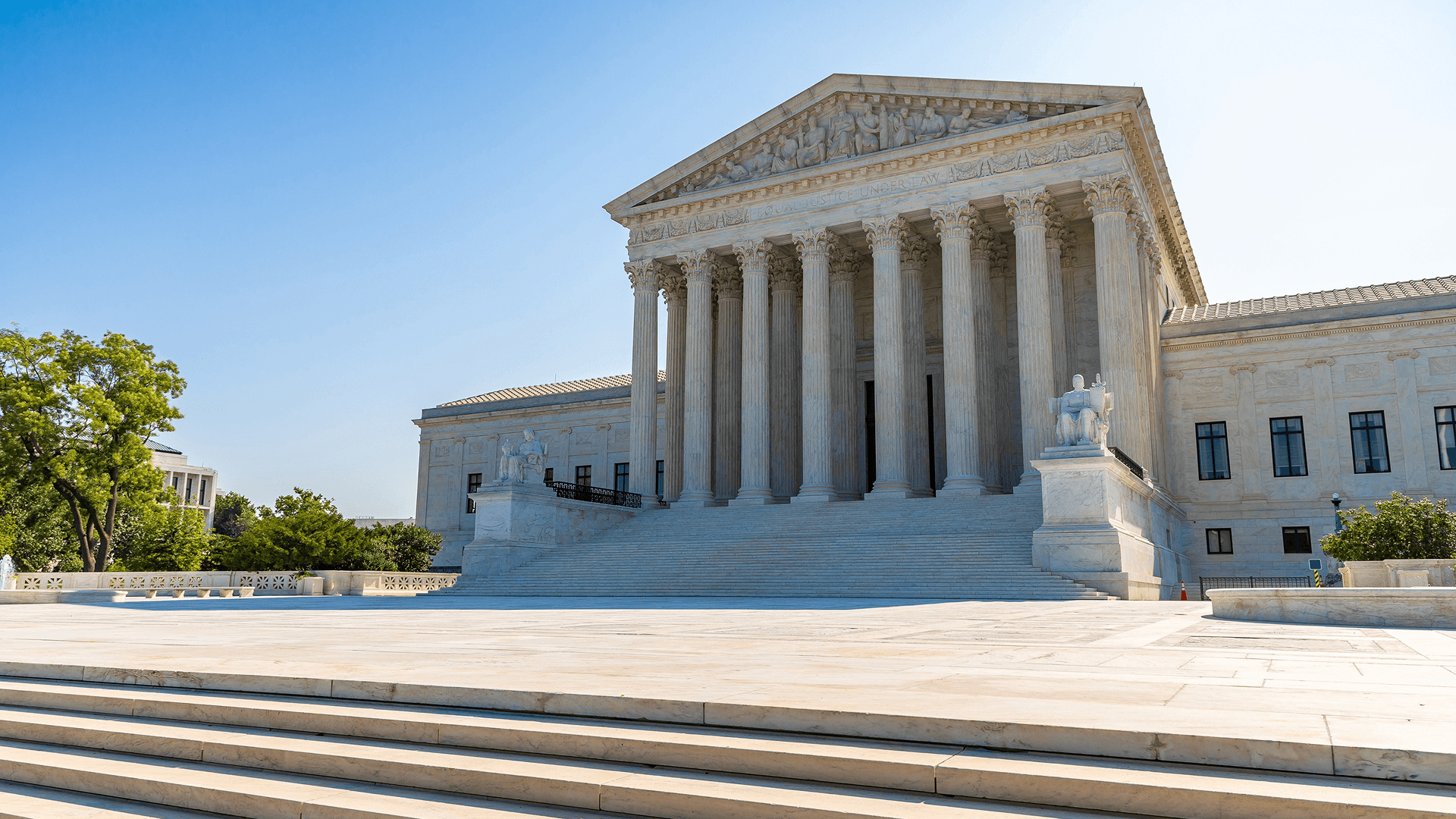
The United States Court of Appeals for the Seventh Circuit heard argument on November 4, 2026 in an appeal against Milwaukee Electric Tool Corporation, Case No. 25-3347. The plaintiff, a Taiwanese activist proceeding under a pseudonym, alleges he was imprisoned in China for political activism and forced, along with other prisoners, to make gloves bearing the Milwaukee Tool logo. He alleges the gloves were exported for sale to consumers in the United States. The company moved to dismiss. None of the allegations have been proven.
On December 1, 2025, the United States District Court for the Eastern District of Wisconsin dismissed the claim against Milwaukee Tool with prejudice in Case No. 2:24-cv-00803. The court held that the federal trafficking law’s criminal provisions apply abroad but its civil remedy does not.
The appeal turns on how three sections of federal law fit together. Section 1589 of Title 18 makes forced labor a crime and separately reaches anyone who knowingly benefits from a venture that uses it. Section 1596 gives federal courts jurisdiction over forced labor committed abroad when the alleged offender is a United States national or permanent resident, or is present in the United States. Section 1595 lets a victim sue the perpetrator and anyone who knowingly benefits from taking part in a venture it knew or should have known broke the law. Section 1596 does not mention the civil remedy.
Courts have read that silence differently. In 2019 the Fourth Circuit held that the civil remedy reached a defendant’s treatment of a housekeeper in Yemen and affirmed the verdict. Roe v. Howard, 917 F.3d 229. The Wisconsin court reached the opposite result.
“Forced labor does not stop being forced labor when it crosses an ocean,” said Travis R. Walker, founder of The Law Offices of Travis R. Walker, P.A. “Congress already lets our courts prosecute it abroad. The question now is whether the person who did the work can ask a court for anything. That answer matters to every survivor whose labor ends up on an American shelf.”
Walker’s firm represents survivors of forced labor and sex trafficking in civil cases in Florida. It has no role in the Milwaukee Tool case. The Seventh Circuit has not ruled. Its decision will bind federal courts in Illinois, Indiana and Wisconsin.
Anyone in immediate danger should call 911. The National Human Trafficking Hotline is available at 1 (888) 373 7888, or by text at 233733.
About The Law Offices of Travis R. Walker, P.A. Founded in 2012 and based in Stuart, Florida, with offices in Port St. Lucie, Palm Beach, Tampa and Tallahassee, the firm represents survivors of human trafficking and forced labor in civil litigation. The firm also handles family law, probate and estate planning, guardianship, tax deed surplus and civil rights matters.