


Understanding the Chapter 13 Bankruptcy Process: A Path to Financial Rehabilitation
Navigating financial hardship can be overwhelming, but for individuals with a steady income, the Chapter 13 bankruptcy process offers a structured path to regain control. Often referred to as the “Wage Earner’s Plan,” this legal mechanism allows debtors to reorganize their finances and repay creditors over time while keeping their assets. Unlike a Chapter 7 liquidation, Chapter 13 focuses on rehabilitation through a court-approved repayment plan.
This guide breaks down the Chapter 13 bankruptcy process step-by-step, helping you understand the requirements, timelines, and protections available under 11 U.S.C. §§ 1301-1330.
What is Chapter 13 Bankruptcy?
Chapter 13 bankruptcy is designed for individuals with a regular income who can commit to a partial or full repayment plan lasting three to five years. The primary goal is to allow debtors to catch up on secured debts (like mortgages or car loans) while potentially discharging a portion of their unsecured debt. To ensure the plan is fair and feasible, the court appoints a trustee to oversee the case.
The Chapter 13 bankruptcy process begins long before you file paperwork. It requires careful preparation, including credit counseling and a thorough analysis of your income versus the state median.
Key Steps in the Chapter 13 Bankruptcy Process
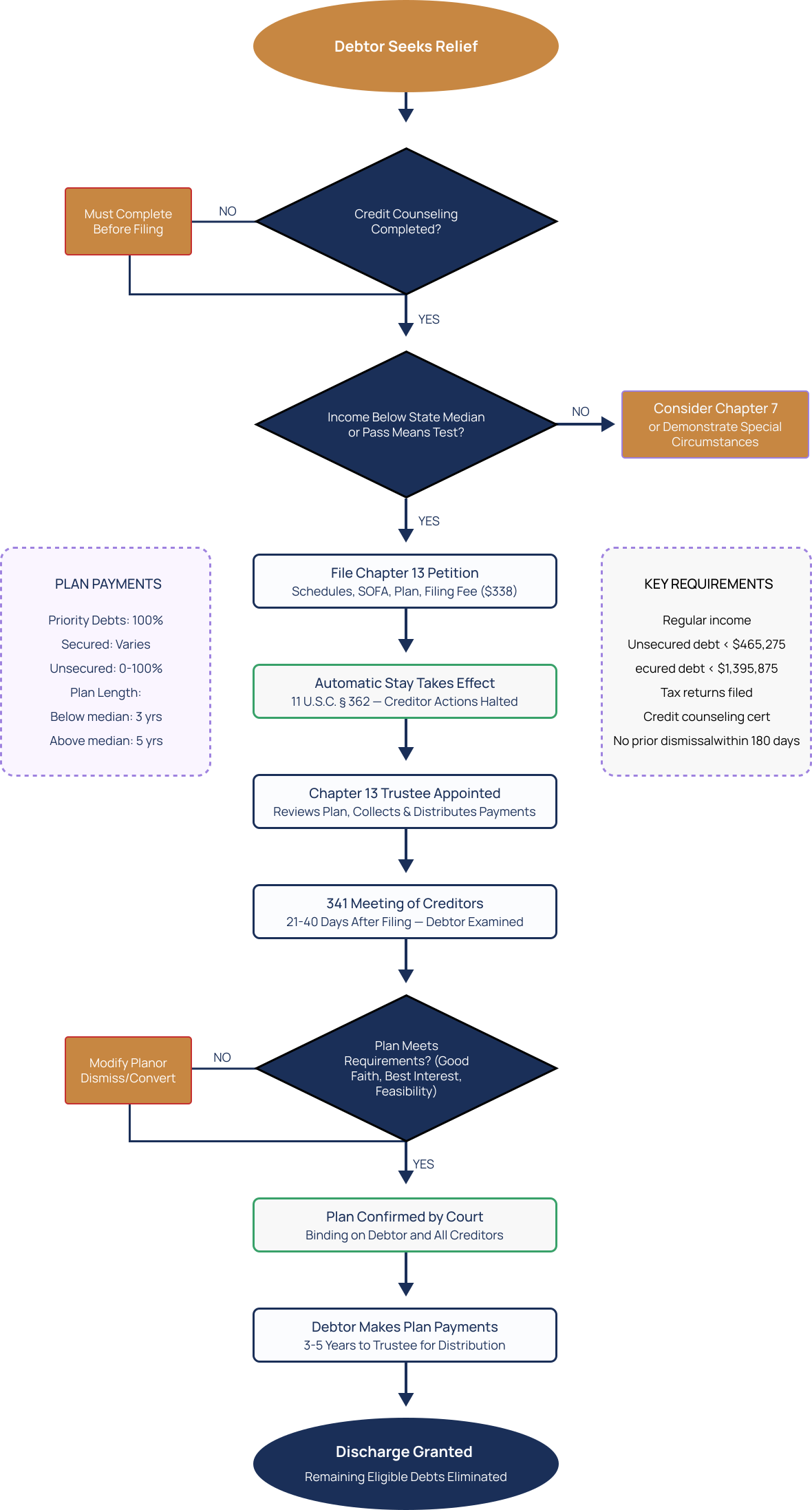
1. Pre-Filing Requirements
Before you can officially file, you must complete credit counseling from an approved agency. This is a mandatory step designed to ensure you understand all available alternatives to bankruptcy.
2. The Means Test and Eligibility
To qualify, you must compare your income to the state median. If your income is below the median, the Chapter 13 bankruptcy process becomes more straightforward. If it is above, you must pass the “Means Test” to demonstrate that you have enough disposable income to fund a plan.
3. Filing the Petition
Once eligibility is confirmed, you file a petition, schedules, and a proposed repayment plan with the bankruptcy court. At this moment, the automatic stay (11 U.S.C. § 362) goes into effect, halting foreclosures, wage garnishments, and collection calls immediately.
4. The Role of the Chapter 13 Trustee
A trustee is appointed to review your plan for feasibility and good faith. The trustee ensures that priority debts (like taxes and child support) are paid 100% and that secured and unsecured creditors are treated fairly under the law.
5. The 341 Meeting of Creditors
Approximately 21 to 40 days after filing, you must attend a meeting where the trustee and any creditors can ask questions about your finances and the proposed plan.
6. Plan Confirmation
For the court to confirm your plan, it must meet specific legal standards: it must be proposed in good faith, distribute at least as much to creditors as they would get in a Chapter 7 liquidation (the “best interest” test), and be financially feasible. If the plan meets these requirements, the court issues a confirmation order.
7. Making Payments
Once confirmed, you make monthly plan payments to the trustee, who then distributes the funds to your creditors. The plan length depends on your income:
- Below Median Income: 3 Years
- Above Median Income: 5 Years
8. The Discharge
After successfully completing all plan payments, the court grants a discharge, eliminating most remaining eligible debts and providing a fresh financial start.
Why Understanding This Process Matters
The Chapter 13 bankruptcy process is complex, but it is a powerful tool for saving a home from foreclosure or managing debts that cannot be discharged in Chapter 7. Because debt limits and eligibility requirements adjust periodically (per 11 U.S.C. § 104), it is vital to consult current guidelines or a licensed attorney.
For a broader overview of your options, you might want to review the differences between Chapter 7 vs. Chapter 13 to determine which path suits your financial situation best.
FILING
ADMINISTRATION
PLAN PROCESS
COMPLETION
Disclaimer: This article is for informational purposes only and does not constitute legal advice. Laws and debt limits change over time. Always consult with a qualified bankruptcy attorney regarding the specifics of your case.