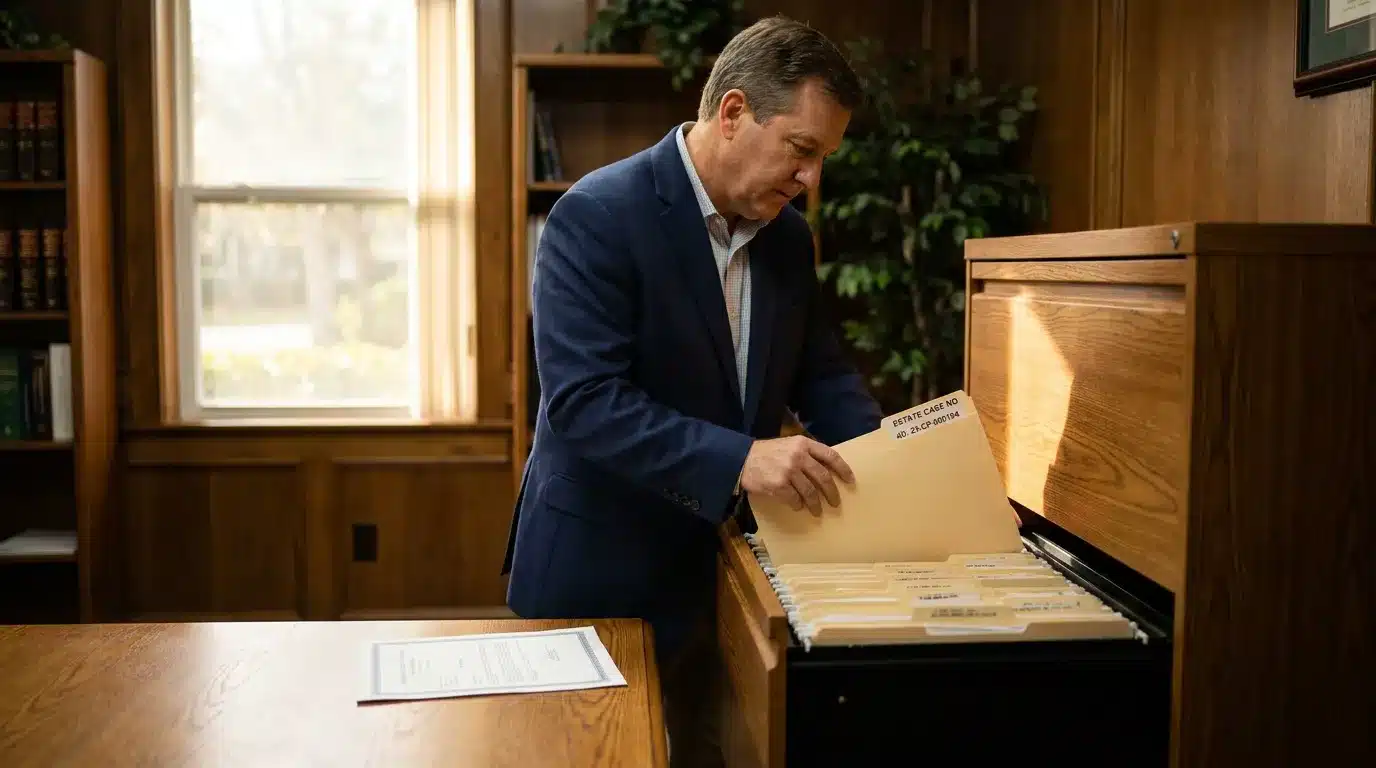



AI can search every case ever decided. It cannot sit across from you, understand what you stand to lose, and fight for you in a courtroom.
Artificial intelligence is transforming the way information is accessed, summarized, and analyzed—and the legal field is no exception. Today, anyone with a smartphone can ask an AI chatbot to explain the divorce process, draft a will, review a contract, or outline their rights after an accident. The responses are often impressive. They are articulate, detailed, and available instantly at no cost.
And therein lies a danger that is genuinely harming people.
The gap between what AI appears to provide and what a licensed Florida attorney actually provides is not a gap in information—it is a gap in judgment, accountability, representation, and the kind of human understanding that determines outcomes in people’s lives. In legal matters—where the stakes include your freedom, your family, your finances, and your future—that gap is not a minor inconvenience. It can be catastrophic.
What AI Does Well—and Why That Is Only Part of the Picture
To be fair, AI tools do certain things impressively. They can retrieve and summarize large volumes of legal information. They can explain general legal concepts in plain language. They can identify what type of attorney you might need or what area of law applies to a broad situation. Used responsibly as a starting point, AI can help people become more informed consumers of legal services.
But here is what AI cannot do:
- Provide legal advice tailored to the specific facts of your case
- Identify the Florida-specific statutes, local court rules, and judicial tendencies that will actually govern your matter
- Recognize the legal issues you do not know to ask about
- File documents, appear in court, or represent you in any legal proceeding
- Be held professionally accountable if its guidance harms you
- Negotiate with opposing counsel or insurance adjusters on your behalf
- Exercise judgment developed through years of courtroom experience
- Notice when something feels legally wrong even before it can be fully articulated
That last one matters more than people realize. Experienced attorneys do not just retrieve information—they develop intuition. They recognize patterns. They have sat in enough depositions, negotiations, and courtrooms to know when something is off, when an offer is dangerously low, or when a document contains a clause that will create serious problems three years from now.
The Hidden Risks of Relying on AI for Legal Matters
AI Does Not Know Florida Law—It Knows General Law
Legal outcomes are heavily determined by jurisdiction. Florida has its own statutes, its own court rules, its own procedural requirements, and its own judicial interpretations of the law. AI tools are trained on broad datasets and frequently provide general legal information that does not account for Florida-specific nuances—or that reflects law from other states entirely. A Florida divorce, a Florida probate matter, or a Florida personal injury case operates under a specific body of law that requires Florida-specific expertise. A generic answer drawn from a national dataset can mislead in ways that are invisible to someone without legal training.
AI Hallucinations Are a Real and Documented Problem
AI language models are known to “hallucinate”—a technical term for generating information that sounds authoritative but is factually wrong, including fabricated case citations, invented statutes, and nonexistent legal standards. Several attorneys have already faced court sanctions for submitting AI-generated briefs that cited cases that did not exist. If trained professionals with legal education and bar obligations can be misled, ordinary individuals relying on AI for legal guidance face even greater risk.
AI Cannot Assess the Full Picture of Your Situation
Legal matters are rarely simple. What appears to be a straightforward contract dispute may involve fraud issues. What seems like a simple will may implicate complex tax and estate planning considerations. What looks like a minor traffic matter may affect immigration status. AI tools answer the question you ask—they do not know to ask the questions you have not thought of. An experienced attorney conducts a full intake, identifies related issues, and advises you on risks you may not have known existed.
Mistakes in Legal Matters Are Often Irreversible
In many areas of law, errors cannot be corrected once they occur. Miss a statute of limitations—even by one day—and your personal injury claim is gone forever. Sign a settlement agreement without understanding what you are releasing—and you cannot reopen the claim. Miss a deadline in a probate proceeding—and your inheritance rights may be forfeited. Execute a will incorrectly—and it may be invalid under Florida law. AI tools cannot bear the professional responsibility for these outcomes. Attorneys can—and do.
AI Has No Fiduciary or Ethical Duty to You
Licensed Florida attorneys are bound by the Florida Bar’s Rules of Professional Conduct. They have a fiduciary duty to act in your best interest. They carry malpractice insurance. They can be disciplined, suspended, or disbarred for failing to represent you competently and ethically. An AI chatbot has none of these obligations. If its answer harms you, there is no recourse, no accountability, and no remedy.
Where AI Belongs in the Legal Process
None of this means AI has no place in modern legal practice. Responsible attorneys are already using AI tools to improve efficiency—researching case law more quickly, drafting initial document templates, organizing large volumes of discovery materials. Used as a tool by trained professionals who verify and apply its outputs with legal judgment, AI can make legal services more efficient and accessible.
The key word is tool. A hammer is useful in the hands of a skilled carpenter and dangerous in the hands of someone who has never built anything. AI in legal matters works the same way.
What to Do Instead of Relying on AI
- Use AI to become informed, not to replace counsel. If you want to understand the basics of a legal issue before consulting an attorney, AI can help you arrive at that conversation better prepared. That is a legitimate use. Using it as a substitute for professional advice is not.
- Consult a Florida-licensed attorney for anything with real stakes. If the outcome of a legal matter could affect your family, your finances, your business, or your freedom, you need a licensed Florida attorney who knows the applicable law, knows the local courts, and will be accountable for their advice.
- Ask about free consultations. Many Florida law firms offer free initial consultations. The cost of a proper legal consultation is almost always far less than the cost of correcting a mistake made by relying on an AI tool.
- Be skeptical of any legal information that does not cite specific Florida statutes or cases. General legal information that is not anchored to specific Florida law is of limited value for Florida legal matters.
Your Case Deserves a Human Who Will Fight for You
There is something an AI will never be able to do: sit across from you, hear your story, understand what is at stake for your family, and then walk into a courtroom prepared to fight for the outcome you deserve. Legal representation is not an information retrieval task. It is an act of advocacy—performed by a person who is accountable to you and to the legal system.
Use technology as a resource. Trust your rights, your family, and your future to a licensed Florida attorney.
For experienced Florida legal guidance, visit traviswalkerlaw.com.