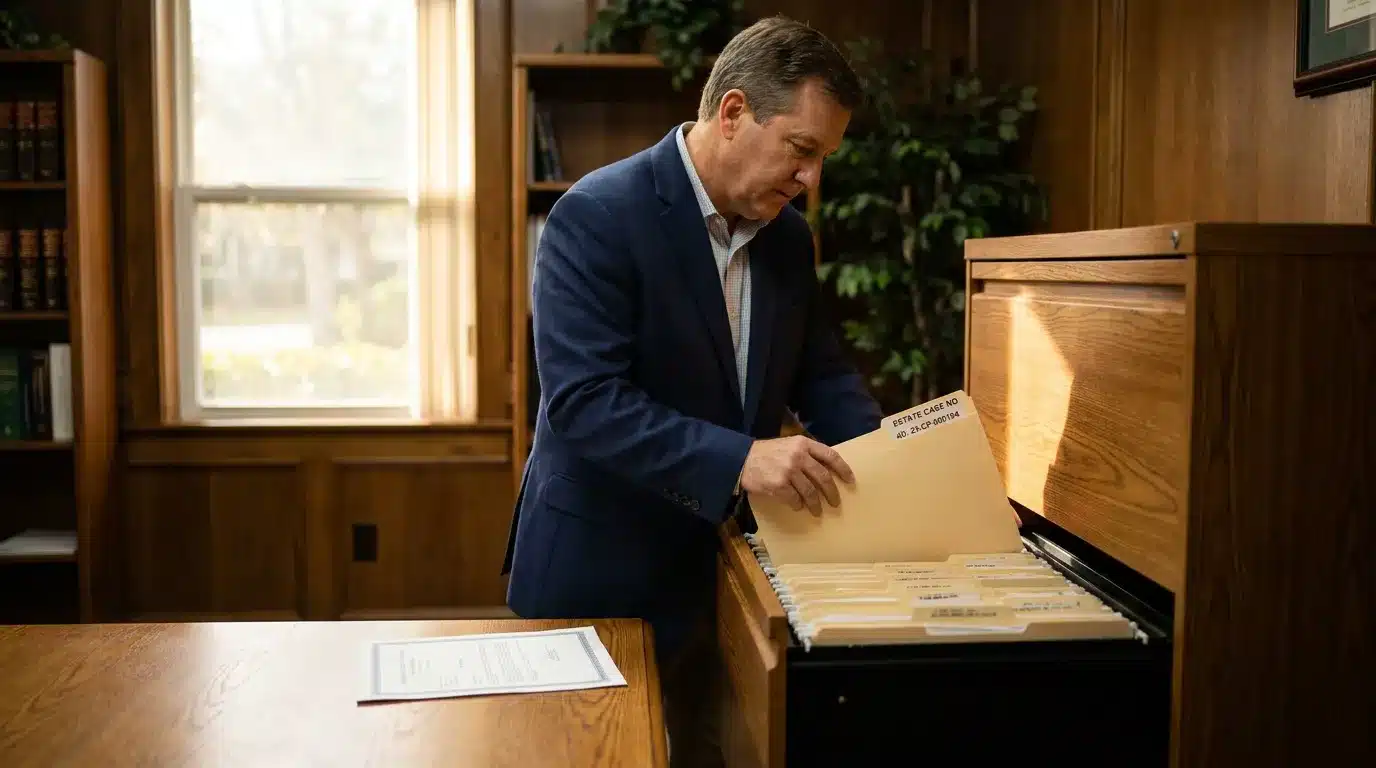



Protecting Your Florida Home Without Losing Medicaid Eligibility
Key Takeaways: A Florida Lady Bird deed, or enhanced life estate deed, lets you retain full control of your home during your lifetime, including the right to sell, mortgage, or revoke, while passing it automatically to beneficiaries at death. Because you maintain these powers and the transfer completes only at death, it is generally not treated as a completed gift or disqualifying transfer, avoiding Medicaid’s 5-year look-back penalty. This contrasts with an outright gift, which could trigger penalties if you apply for long-term care Medicaid within five years. The deed also keeps the home out of probate and, under current Florida law, beyond the reach of Florida’s Medicaid Estate Recovery Program, offering a simpler alternative to a living trust. It is especially relevant for those planning for Nursing Home Medicaid and Medicaid Waiver services. Careful drafting and guidance from a Florida elder law attorney are essential to ensure the deed accomplishes your goals.
A Florida Lady Bird deed can help you pass your home to loved ones while preserving long-term care Medicaid eligibility, because it is not treated as a completed gift that triggers the 5-year look-back penalty. This planning tool lets you keep full control of your property during your lifetime and transfers it automatically at death. For many Stuart and Treasure Coast families, that combination solves two problems: avoiding probate and protecting the home.
If you are weighing how to protect your home while planning for future care, guidance tailored to your situation matters. Reach out to the Law Offices of Travis R. Walker, P.A. through our website, by calling 772-708-0952, or through our online contact form to schedule a consultation with our team.
What Is a Florida Lady Bird Deed?
A Florida Lady Bird deed, also called an enhanced life estate deed, is a document that lets a property owner keep complete control of real estate during life while naming beneficiaries who receive it automatically at death. According to the Florida Bar Journal, the enhanced life estate deed reserves to the owner the power to sell, convey, mortgage, and revoke the property without needing the consent of remainder beneficiaries. That retained authority distinguishes it from a traditional life estate deed, which strips away many of those rights.
The appeal of this deed is its simplicity paired with its power. You do not give up anything meaningful during your lifetime, yet you set up a seamless transfer at death.
How the Enhanced Life Estate Works
The mechanism is straightforward: the deed does not take effect until the owner passes away. During your lifetime you may live in the home, rent it, sell it, refinance it, or revoke the arrangement entirely. Because the transfer is incomplete while you are alive, you retain the practical and legal ownership benefits you rely on.
Why Florida Recognizes These Deeds
Florida recognizes Lady Bird deeds under common law rather than through a specific statute. Their validity is supported through the Real Property, Probate and Trust Law Section of The Florida Bar and reflected in Florida Uniform Title Standard 6.10, which confirms the validity of enhanced life estate deeds. This professional consensus gives Treasure Coast estate planning attorneys confidence that a properly drafted deed will be honored. Still, because the authority rests on common law rather than statute, precise drafting is essential.
Understanding the 5-Year Medicaid Look-Back Period
The Medicaid look-back period is a 60-month window immediately preceding an application for long-term care Medicaid, during which officials review your financial transactions. As Medicaid planning resources explain, the Medicaid look-back period is designed to catch applicants who give away or undervalue assets to fall below Medicaid’s asset limits.
A Florida example makes the timeframe concrete. If a Florida resident applies for Medicaid on January 1, 2026, the look-back reaches back to January 1, 2021, and all financial transactions between those dates are subject to review. Importantly, the look-back applies to long-term care programs such as Nursing Home Medicaid and Medicaid Waiver Home and Community Based Services, not to every Medicaid program.
How the Look-Back Penalty Is Calculated
A violating transfer creates a penalty period whose length is tied to the value of the assets given away. An applicant who gave away a significant sum during the 60-month window could face a penalty based on how long that amount could have paid for Florida nursing home care. Transferring a house outright to a relative is a classic example of a disqualifying transfer. A few key points frame the rule:
- Gifts and below-market sales are common violations.
- Certain transfers are exempt, notably the Child Caregiver Exemption, which may allow a home transfer to an adult child who lived in the home and provided qualifying care for at least two years immediately before the parent’s nursing home admission.
- Even after eligibility is granted, later gifting of assets can still cause disqualification.
💡 Pro Tip: Keep clear records of any large transactions during the five years before applying. Documentation showing that a transfer fits an exemption can be the difference between smooth approval and a costly penalty period.
How a Lady Bird Deed Sidesteps the Look-Back
Because the owner retains full control and the transfer does not complete until death, a Lady Bird deed is generally not treated as a completed gift or a disqualifying transfer for Medicaid eligibility. The reasoning follows directly from the retained powers recognized in Florida Uniform Title Standard 6.10: the life tenant may convey or encumber the property during life without the remainderman’s involvement, which supports treating the deed as an incomplete transfer. Since nothing of value has actually left your hands, the standard 5-year look-back penalty is generally not triggered.
Contrast this with a simple outright transfer of the home. Deeding your house to a child today would likely count as a gift and could create a penalty if you applied for long-term care Medicaid within five years. The enhanced life estate deed avoids that trap by delaying the transfer. That said, whether the deed achieves the intended result depends on your specific facts, so this is not a do-it-yourself project.
| Feature | Outright Gift of Home | Florida Lady Bird Deed |
|---|---|---|
| Control during life | Lost | Fully retained |
| Treated as completed gift | Generally yes | Generally no |
| Look-back penalty risk | High | Generally avoided |
| Avoids probate | Sometimes | Yes |
Additional Benefits for Treasure Coast Families
Beyond the look-back, a Lady Bird deed keeps the home out of probate and, under current Florida law, beyond the reach of Florida’s Medicaid Estate Recovery Program. Because Florida currently limits estate recovery to probate assets, a home that passes by enhanced life estate deed never enters the probate estate and therefore generally stays beyond recovery. However, families should be aware that federal law permits states to expand recovery to non-probate assets, so this protection depends on Florida’s current policy. For homeowners seeking probate avoidance, this tool offers an easier, lower-cost alternative to a living trust.
Homestead protections add another layer for Florida residents. The way your property is classified can significantly affect the outcome, and you can learn more from our discussion of what counts as homestead in complicated probate cases. Snowbirds and part-year residents should pay special attention, since domicile questions can complicate both homestead and estate planning goals.
Practical Challenges to Keep in Mind
No planning tool is right for everyone, and the Lady Bird deed has limits. If beneficiaries do not agree or if title issues arise, complications can follow, and lenders or title insurers occasionally have questions about the format. Blended families, multiple beneficiaries, and out-of-state property can also add wrinkles. Working with an attorney who understands Florida elder law and long-term care planning helps ensure the deed accomplishes your goals.
Frequently Asked Questions
1. Does a Lady Bird deed guarantee I will qualify for Medicaid?
No planning tool guarantees eligibility, because approval depends on your full financial picture and current program rules. A properly drafted deed generally avoids treating the home transfer as a disqualifying gift, but other assets and transactions still matter. An attorney can review your circumstances before you apply.
2. Can I still sell or mortgage my home after signing one?
Yes. The enhanced life estate deed reserves your power to sell, convey, mortgage, and revoke the property during your lifetime without the remainder beneficiaries’ consent. That retained control is a defining feature of the deed.
3. How is a Lady Bird deed different from a living trust?
Both can keep property out of probate, but a Lady Bird deed is often a simpler, lower-cost option focused specifically on real estate. A living trust is more comprehensive and can address many assets. The right choice depends on your overall estate planning needs.
4. Does the 5-year look-back apply to every Medicaid program?
No. The look-back applies to long-term care programs such as Nursing Home Medicaid and Medicaid Waiver Home and Community Based Services, not to all Medicaid programs. This is why the deed is most relevant to those planning for future long-term care.
5. What happens if I gift assets after I am approved?
Even after eligibility is granted, gifting assets, such as an inheritance you later receive, can still cause a violation and disqualification. Ongoing compliance matters throughout the time you receive benefits.
Bringing Your Home and Your Care Plan Together
A Florida Lady Bird deed offers a rare combination: full lifetime control, automatic transfer at death, probate avoidance, and, under current Florida law, protection from the 5-year Medicaid look-back and estate recovery. For retirees, snowbirds, and families across Stuart and the Treasure Coast, it can be a cornerstone of a thoughtful long-term care plan. Still, the deed must be drafted carefully and coordinated with the rest of your estate plan, and results always depend on your individual facts. To explore whether this fits your goals, our team can help you evaluate your options through comprehensive estate planning services.
You do not have to sort through these decisions alone, and the right guidance can make all the difference. Reach out to the Law Offices of Travis R. Walker, P.A. by visiting our firm website, calling 772-708-0952, or completing our contact form to schedule a consultation with our team.