

Protecting Your Treasure Coast Home Without the Probate Headache
Key Takeaways: A Florida Lady Bird deed, formally called an enhanced life estate deed, is a simple, low-cost way to pass your home to loved ones while avoiding probate court. It lets you keep full ownership and control during your lifetime, you can sell, lease, mortgage, or change beneficiaries freely, then transfers the property automatically at your death by simply recording a death certificate. Because the home passes outside the statutory probate process governed by Florida Statutes Chapter 733, your family avoids months of delay, expense, and stress. Florida is one of only a few states that recognizes this deed, so precise wording, proper notarization, and correct recording are essential. The deed must also account for homestead protections, spousal and minor children’s rights, and the possibility that a beneficiary dies before you. While powerful, a Lady Bird deed is just one piece of a complete estate plan.
A Florida Lady Bird deed is one of the simplest ways to pass your home to loved ones without sending it through probate court. Formally known as an enhanced life estate deed, this tool lets you keep full ownership and control of your property during your lifetime, then transfers it automatically to the people you name when you pass away. For Stuart and Treasure Coast families, especially retirees and snowbirds, it answers a common question: how do I make sure my home reaches my children without a long, expensive court process?
If you are weighing whether this strategy fits your situation, the team at The Law Offices of Travis R. Walker, P.A. is ready to help you plan with confidence. You can learn more at traviswalkerlaw.com, call our office at 772-708-0952, or reach our team through our contact page to start the conversation.
What a Florida Lady Bird Deed Actually Does
A Lady Bird deed is a life estate deed that is often used for a person’s primary home, but with a twist that sets it apart from the traditional version. Though it can apply to other real property, it is most commonly used with a homestead. In estate planning terms, it allows passage of title to your intended beneficiaries upon your death by simply filing a death certificate in the official records, no separate court case required.
The defining feature is control. Unlike a traditional life estate deed, a Lady Bird deed lets you keep the right to sell, lease, mortgage, or otherwise transfer the property during your lifetime without the consent of the people who will inherit it. If you never transfer it, the property passes to those remainder beneficiaries at your death. You are not locked in, and you do not need anyone’s permission to change your mind.
Florida is one of only a handful of states that recognizes this type of deed. Because so few states allow it, the precise wording in the document carries real weight. According to guidance published in the Florida Bar Journal on Lady Bird deeds, the extended powers life estate deed (also referred to as the Lady Bird Deed) reserves the owner’s right to sell, lease, or otherwise transfer ownership interest in the real property without consent of the remainder interest persons, with title passing to the remainder persons upon the death of the owner only if not otherwise transferred.
How the Deed Sidesteps Probate
Probate is the court-supervised process of settling a deceased person’s estate, and in Florida it follows the Florida Probate Code. Estate administration is governed by Chapter 733 of the Florida Statutes, which organizes the process into nine parts: general provisions, commencing administration, preference in appointment and qualifications of personal representative, fiduciary bonds, curators and resignation and removal of personal representatives, duties and powers of personal representative, creditors’ claims, special provisions for distribution, and closing estates. You can review the structure in the full text of Florida Statutes Chapter 733.
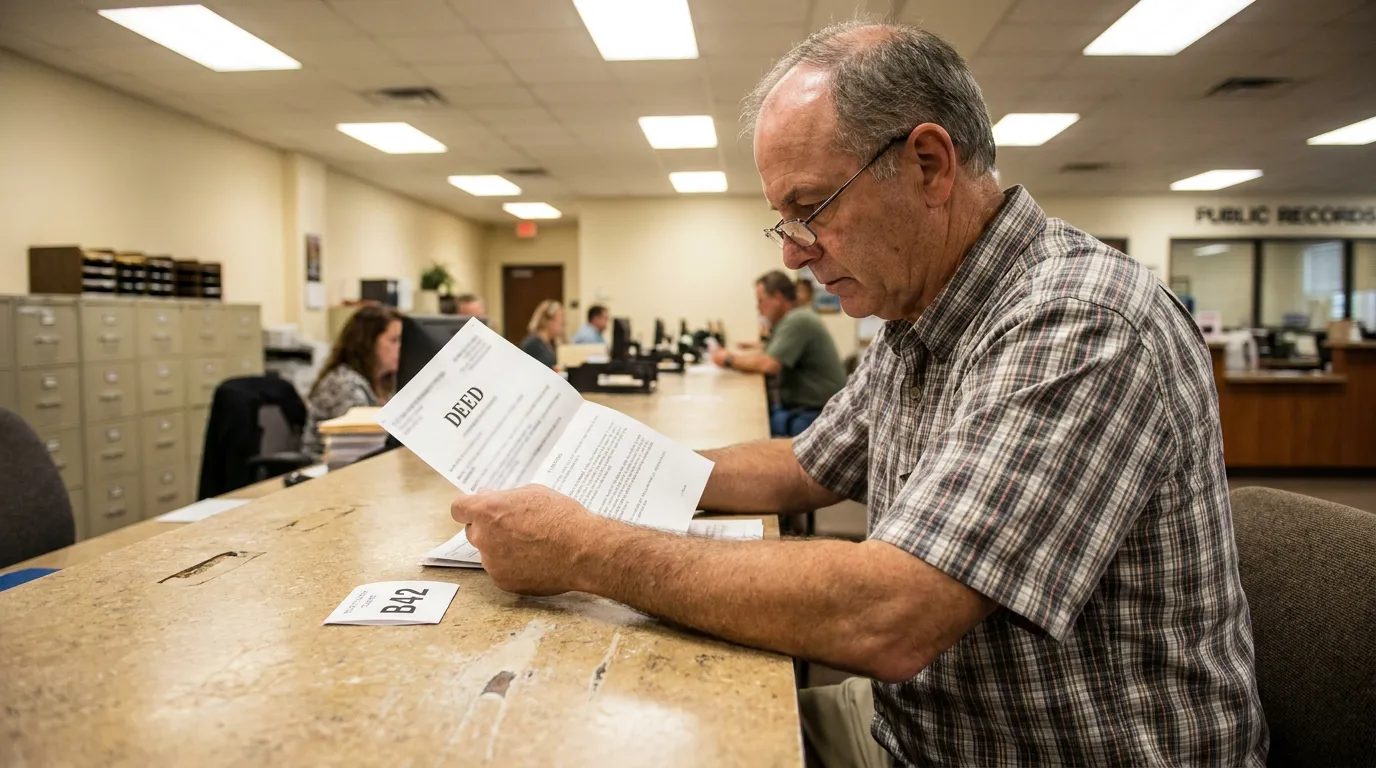
A Lady Bird deed lets the home pass entirely outside that statutory process. Because ownership transfers automatically at death, the property is not part of the probate estate. Your family generally records a death certificate rather than opening a formal court file, which can save months of waiting and considerable stress. A related benefit is that the home generally remains beyond the reach of Florida’s Medicaid estate recovery program under current law, and recording the deed does not trigger the Medicaid five-year lookback penalty.
This deed is just one of several probate avoidance options available in Florida. Revocable living trusts, beneficiary designations, and other strategies may fit different goals. If you want a broader view of your choices, our overview of probate alternatives that Florida families can use walks through when each option generally applies.
The Requirements That Make a Florida Lady Bird Deed Valid
A florida lady bird deed only works if it is drafted and recorded correctly. The document must comply with Florida’s execution and recording requirements, including two subscribing witnesses and proper notarization. If any of these elements are missing or incorrect, the county recorder may reject the deed, or it could be recorded yet still fail to accomplish what you intended.
The language inside the deed matters just as much as the formalities. A properly drafted deed must clearly reserve your right to sell, mortgage, or otherwise deal with the property during your lifetime without the consent of the remainder beneficiaries. That reserved control is the exact feature that distinguishes an enhanced life estate deed from a standard one. Even small errors in the granting clause or the reservation of rights can render the deed ineffective.
A few practical points commonly trip up property owners:
- The deed must identify the remainder beneficiaries clearly and account for what happens if one of them dies before you.
- It must satisfy Florida homestead protections and any spousal or minor children’s rights that apply to your property.
- It should be recorded in the correct county’s official records to be effective against later claims.
💡 Pro Tip: Keep a certified copy of the recorded deed with your other estate planning documents, and tell your named beneficiaries where to find it. When the time comes, they will know exactly what to file and where.
Where Lady Bird Deeds Fit in a Complete Estate Plan
A Lady Bird deed is a valuable tool, but it is not a substitute for a full estate plan. Florida homestead law, spousal rights, and the rights of children under 18 all must be weighed before you sign. If a remainder beneficiary predeceases the life tenant and the deed does not address that possibility, that beneficiary’s share can end up passing to their own heirs or forcing that portion into probate.
You keep the freedom to change your mind at any time. As the life tenant, you can revoke or modify the deed, cancel it, or change the named beneficiary before your death. That flexibility appeals to snowbirds and part-year residents who may update their plans as their circumstances or Florida domicile status change.
The mechanics of transfer are refreshingly simple and low cost. Title passes by filing a death certificate in the official records, and the deed generally costs about the same as a simple will to prepare. Keep in mind that Florida does not impose a state estate tax, though federal estate tax may apply to larger estates above the federal exemption threshold.
Here is a quick comparison to keep the two deed types straight:
| Feature | Traditional Life Estate Deed | Lady Bird Deed |
|---|---|---|
| Control during life | Limited; needs remainder consent to sell | Full; sell or mortgage freely |
| Passes outside probate | Yes | Yes |
| Revocable by owner alone | No | Yes |
| Recognized in Florida | Yes | Yes, one of few states |
Common Questions Stuart Families Ask Before Signing
Many of the questions we hear reflect the same underlying goal: keeping the home in the family with as little friction as possible. Below are some of the most frequent concerns from Martin County and Palm Beach County residents.
Frequently Asked Questions
Does a Lady Bird deed affect my ability to sell my home?
No. You retain full control while you are alive. You may sell, lease, or mortgage the property without asking your remainder beneficiaries for permission, and only what remains at your death passes to them.Will this deed jeopardize my Florida homestead protections?
Generally, a properly drafted deed is designed to preserve homestead status, but homestead, spousal, and minor children’s rights are fact-specific. These protections should be reviewed carefully before recording.Can I change or cancel the deed later?
Yes. A life tenant can cancel a Lady Bird deed or change the named beneficiary at any time before death, which makes it a flexible choice for people whose plans may evolve.What happens if my named beneficiary dies before I do?
If the remainder beneficiary predeceases the life tenant, problems can arise that may push that share into probate or send it to unintended heirs unless the deed anticipates that outcome.Is a Lady Bird deed enough on its own?
Usually not. It is one piece of a larger plan that may include a will, trust, or powers of attorney, and should be coordinated with the rest of your documents.
Planning Your Home’s Future With Confidence
A Florida Lady Bird deed offers a practical, low-cost way to keep your home out of probate while preserving your control during life. When drafted with the correct formalities and language, it lets you transfer property to the next generation by simply recording a death certificate. Still, the tool has limits, and factors like homestead law, spousal rights, and the possibility of a beneficiary passing first can complicate matters. Because outcomes depend on your specific facts, working with a Florida estate planning attorney helps ensure your deed does what you intend.
If you are ready to protect your home and your family’s future, the estate planning attorneys at The Law Offices of Travis R. Walker, P.A. are here to guide you. Visit us online at traviswalkerlaw.com, or call 772-708-0952 to schedule a consultation with our team. Reach out to our Stuart, FL family law and estate planning attorneys today.