

Moving to Stuart With an Estate Plan From Another State
Key Takeaways: Generally, yes. Under Fla. Stat. § 732.502(2), Florida recognizes a will signed by a nonresident if it was properly executed under the laws of the state or country where it was signed. The main exceptions are holographic (handwritten, unwitnessed) and nuncupative (oral) wills, which Florida generally will not accept even if your former state allowed them. A valid will may still work differently than you intended once you live in Florida. Homestead restrictions, elective share, and pretermitted spouse rules can override its terms. Probate may also take longer for an out-of-state will that lacks a self-proving affidavit Florida accepts. Snowbirds may face ancillary probate and domicile questions. Having a Stuart estate planning attorney review your will can help make sure your wishes hold up and spare your family delays.
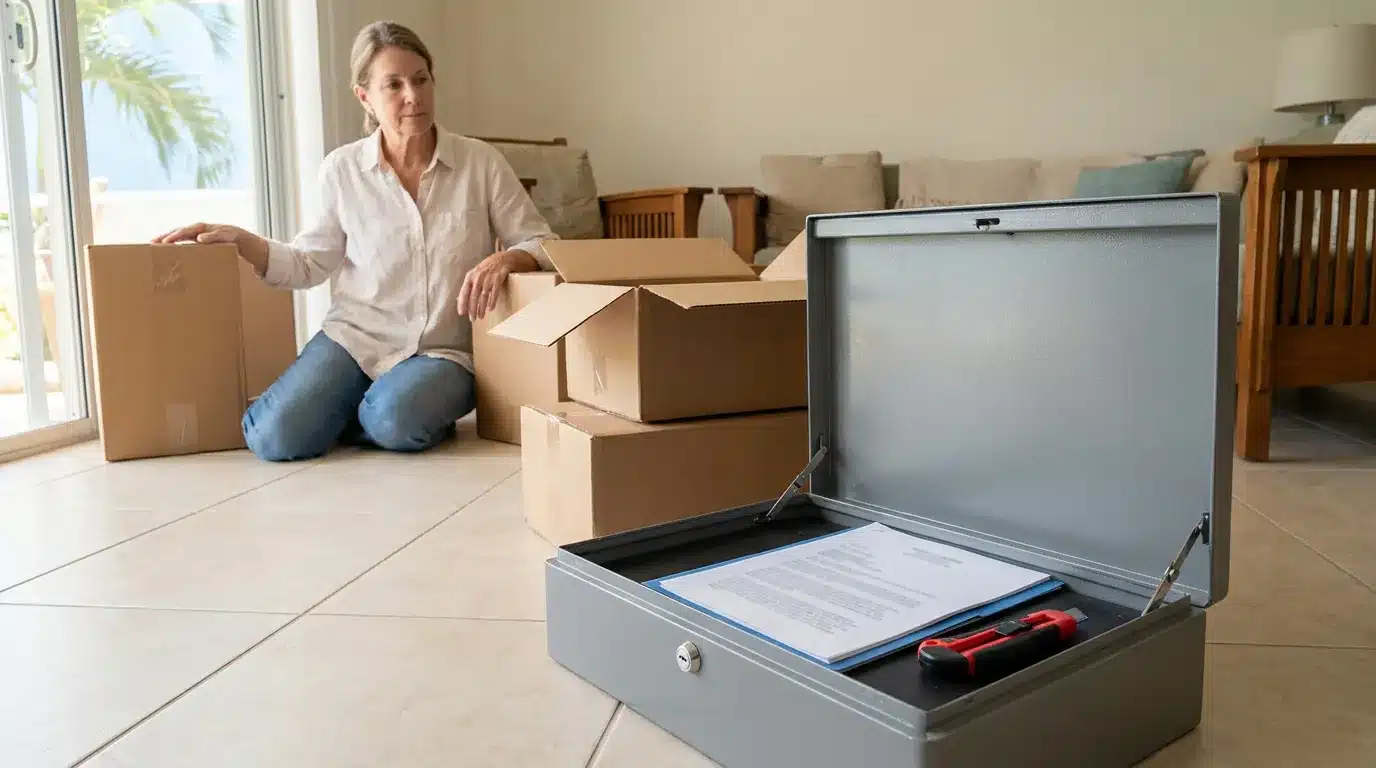
You finally made the move to Stuart, and your old will is sitting in a folder from your previous home state. Maybe you signed it in New York, Ohio, or New Jersey years ago, and now you’re wondering whether it still protects the people you love. Generally, yes. Florida law recognizes a will signed while you lived in another state if it was properly executed under the laws of the state or country where you signed it, with a few important exceptions. Still, being "valid" is not the same as being well suited to your new Florida life. Florida’s homestead rules, spousal protections, and probate procedures can change how an older will works once you live on the Treasure Coast.
If you are settling into Stuart or anywhere in Martin County, it makes sense to look at your estate plan now. The Law Offices of Travis R. Walker, P.A. helps new Florida residents review older wills and bring them in line with Florida law. Call 772-708-0952 or schedule your consultation online to talk with our team about your situation.
How Florida Treats a Will Signed Somewhere Else
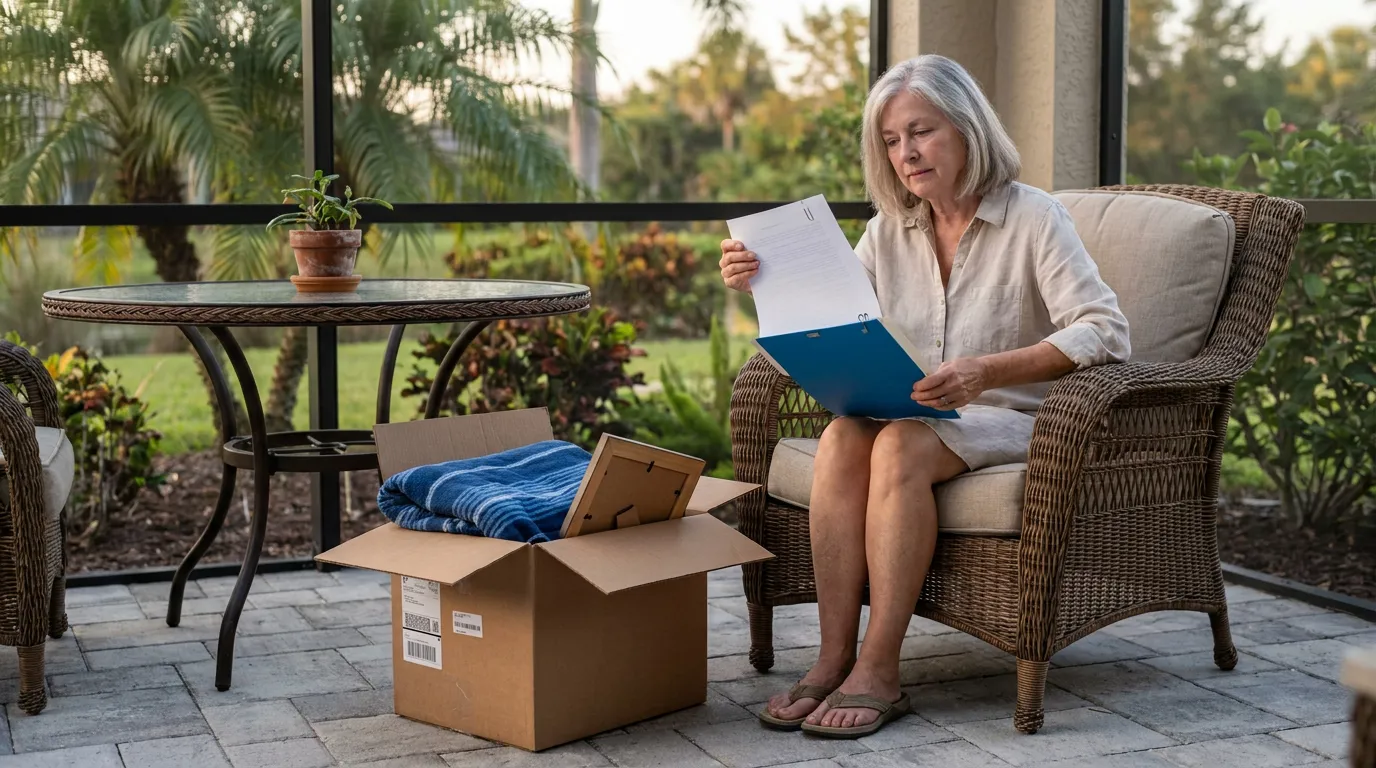
Florida has a specific statute on wills signed by nonresidents. Under Fla. Stat. § 732.502(2), any will "other than a holographic or nuncupative will, executed by a nonresident of Florida, either before or after this law takes effect, is valid as a will in this state if valid under the laws of the state or country where the will was executed." In plain terms, your will generally does not stop being valid just because you registered to vote in Martin County. A will signed after you become a Florida resident generally must meet Florida’s own signing requirements.
The test looks at the rules in place where and when you signed the will. If your will met the signing rules of Pennsylvania or Michigan on the day you signed it, and you were not a Florida resident then, Florida courts generally treat it as valid. You can read the Florida Probate Code in Florida Statutes Chapter 732.
The Two Types of Wills Florida Will Not Accept
Florida draws a firm line on handwritten and oral wills. Under Fla. Stat. § 732.502(2), Florida generally does not recognize a holographic will (handwritten and unwitnessed) or a nuncupative will (spoken aloud), even if the state where you made it allowed it. A handwritten will can still be valid if it was signed and witnessed in a way that meets Florida’s requirements. If your plan relies on a handwritten document without witnesses, Florida probably will not honor it, and your estate may pass under intestacy rules as if you had no will.
Other Documents Florida Honors
Florida takes the same approach with related agreements. Under Fla. Stat. § 732.701(1), a contract to make a will, or a promise not to revoke one, signed by a nonresident is valid in Florida "if valid when executed under the laws of the state or country where the agreement was executed." Also, under Fla. Stat. § 732.502(3), a will signed as a military testamentary instrument under 10 U.S.C. § 1044d by someone eligible for military legal assistance is valid in Florida.
Florida’s Own Signing Requirements
Florida’s baseline rules are a useful yardstick for comparing your existing will. Under Fla. Stat. § 732.502(1), a will must be in writing and signed at the end by the testator, or by someone else at the testator’s direction and in their presence. The signing must take place in the presence of two attesting witnesses, and "the attesting witnesses must sign the will in the presence of the testator and in the presence of each other." You can look up these provisions through the official Florida Statutes index.
Florida also offers a self-proving affidavit under Fla. Stat. § 732.503. When a will is self-proved, the court can usually admit it to probate without further proof from the witnesses. An out-of-state will without a self-proof Florida accepts is still valid, but your personal representative may need a witness’s oath or other proof during probate. That can mean delay for your family, especially if the witnesses have died or live far away.
| Issue | Will Signed in Another State | Will Re-Executed Under Florida Law |
|---|---|---|
| Basic validity | Generally valid if valid where signed by a nonresident (§ 732.502(2)) | Valid if it meets § 732.502(1) |
| Handwritten or oral wills | Generally not recognized in Florida unless witnessed per Florida law | Oral wills not permitted; handwritten wills only if properly witnessed |
| Self-proof | May not meet § 732.503 | Can include a Florida self-proving affidavit |
| Homestead planning | May not address Florida limits | Can be drafted around § 732.4015 |
Why a Valid Out-of-State Will in Florida May Still Need an Update
A will can be legally valid and still not do what you meant it to do. Florida has several substantive rules that may apply to residents regardless of what an older will says.
Florida Homestead Restrictions
Florida’s homestead rules can limit who receives your home. Under Fla. Stat. § 732.4015, if you are survived by a spouse or a minor child, you generally cannot leave your Florida homestead by will to anyone else. If there is no minor child, you may leave it to your spouse. A spouse may also waive homestead rights in a valid written agreement. If the home is left in a way the statute does not allow, Fla. Stat. § 732.401 decides who receives it. A will drafted in Connecticut may have left the house to adult children from a first marriage without considering these limits.
Spousal Protections That Follow You to Florida
Florida gives surviving spouses rights that a will generally cannot erase. The elective share under Fla. Stat. § 732.201 et seq. generally allows a surviving spouse to claim 30% of the elective estate, whatever the will provides, unless the spouse validly waived that right. Under Fla. Stat. § 732.301, a spouse you married after signing your will may receive an intestate share as a "pretermitted spouse," unless the will or an agreement provides for the spouse or shows an intent not to.
💡 Pro Tip: Gather your beneficiary designations for retirement accounts and life insurance too. Those assets usually pass outside your will, so updating the will alone may leave gaps.
Snowbirds and Part-Year Residents Face Extra Questions
If you split the year between Stuart and a home up north, your situation takes more planning. Where you are legally domiciled generally decides where your main probate takes place. Real estate is generally governed by the law of the state where it sits, so owning property in more than one state may lead to separate proceedings in each.
Common issues we see among part-year residents include:
- Wills that name a personal representative who may not qualify to serve under Florida law
- Powers of attorney and healthcare documents written for another state’s forms
- Real property in two states that could require ancillary probate
- Revocable living trusts that were never funded with the new Florida home
Florida has no state estate tax or inheritance tax, but that doesn’t cover every issue. Federal estate tax may still apply to larger estates, and other states where you own property may impose their own taxes.
Modern Options for Updating Your Plan
Florida allows electronic wills with remote witnessing, subject to strict safeguards. Under Fla. Stat. § 732.522(2), witnesses may satisfy the presence requirement "by means of audio-video communication technology" when an online notary supervises and the process follows the statute. Remote witnessing is not available for a signer who is a vulnerable adult, whose witnesses must be physically present.
Drafting details matter when you sign electronically. Under Fla. Stat. § 732.522(4), an electronically signed instrument is treated as executed in Florida if it states that the signer intends to execute it in Florida and understands it will be governed by Florida law. You can learn what happens when formalities are missed in our article on wills that fall short in Florida.
Frequently Asked Questions
Do I have to make a new will when I move to Florida?
Not necessarily, because Florida generally honors wills that nonresidents signed if they were valid where signed. Even so, a review is wise to address homestead, spousal rights, and self-proof issues.
Is a handwritten will from another state valid in Florida?
Generally no, if it was unwitnessed. Fla. Stat. § 732.502(2) excludes holographic and nuncupative wills. A handwritten will signed and witnessed in a way that meets Florida’s requirements may still be valid.
Will my out-of-state will Florida probate take longer?
It might. If the will lacks a self-proving affidavit Florida accepts, the court may require a witness’s oath or other proof before admitting it.
Can my will leave my Stuart home to anyone I choose?
Not always. If you are survived by a spouse or minor child, Fla. Stat. § 732.4015 generally restricts how you can leave your homestead, unless an exception or valid spousal waiver applies.
Can I sign a Florida will remotely?
Yes, under certain circumstances. Fla. Stat. § 732.522 permits remote witnessing through audio-video technology when statutory safeguards are followed, though not for vulnerable adults.
Giving Your Family Confidence in Your New Florida Home
Your move to Stuart was about starting a new chapter, and your estate plan should keep up with it. A will you signed in another state before moving is generally valid in Florida if it was properly executed there. Still, Florida’s homestead rules, spousal protections, and probate procedures may change how it works. Working with an out of state will Florida lawyer can help you decide whether a simple update or a full Florida plan fits your goals.
You don’t have to sort through these questions by yourself. The Law Offices of Travis R. Walker works with Treasure Coast retirees, families, and seasonal residents to build estate plans grounded in Florida law. Call 772-708-0952 or contact us now.
Disclaimer: This content is for informational purposes only and is not legal advice. Every case is unique, and results may vary. Consult an attorney about your specific circumstances.