


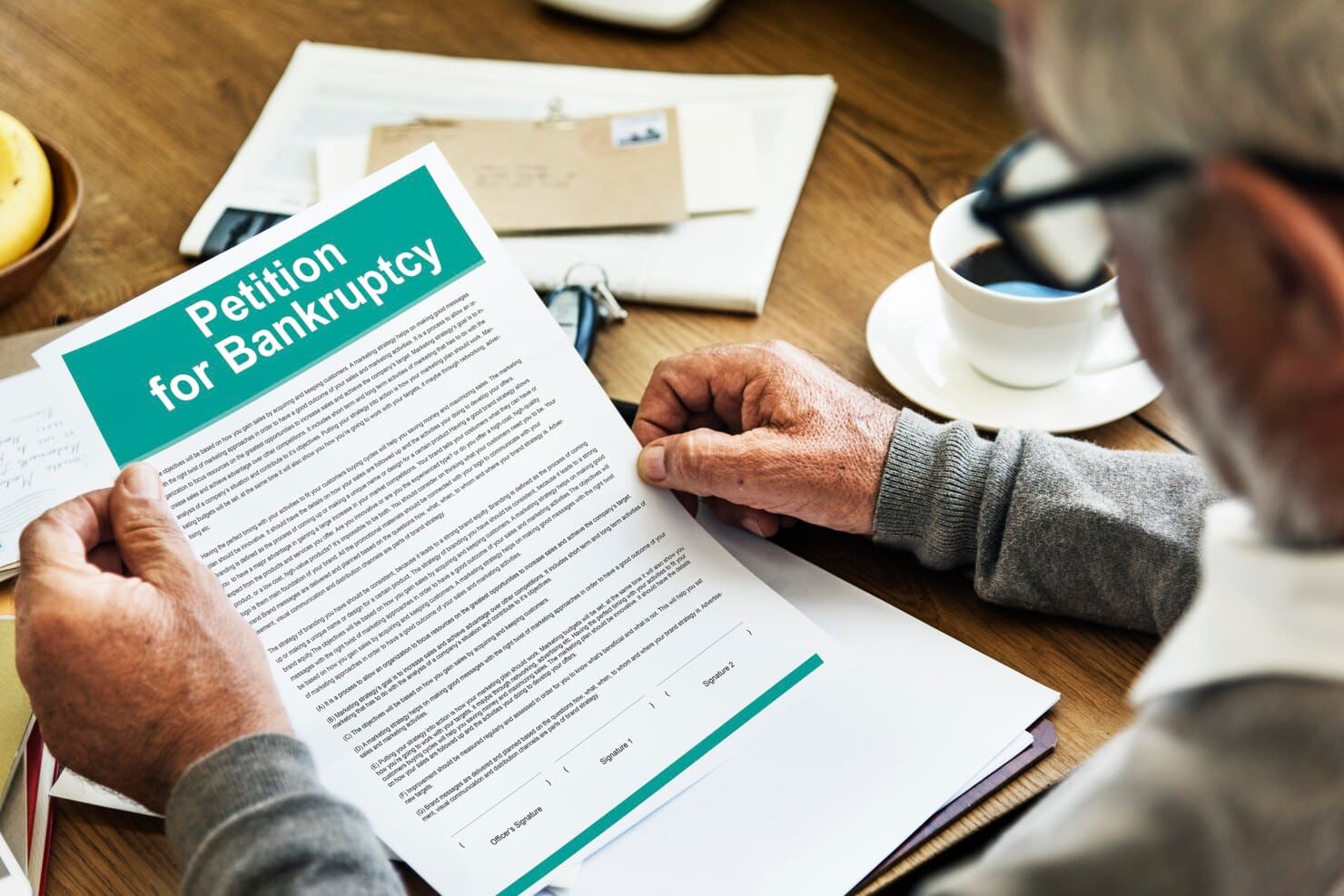
When someone files for bankruptcy, one of the first and most important protections they receive is the automatic stay. It immediately stops most collection actions and gives the debtor breathing room to reorganize or discharge debt.
Understanding automatic stay bankruptcy protection limits is essential because while this protection is powerful, it is not absolute. Certain actions can still continue, and in some cases creditors can ask the court to remove the stay.
This guide explains what the automatic stay is, what it protects, what it does not stop, and when it can be lifted or limited.
What Is the Automatic Stay in Bankruptcy?
The automatic stay is a federal court order that takes effect immediately when a bankruptcy petition is filed.
It legally prohibits creditors from continuing most collection efforts against the debtor or their property.
In automatic stay bankruptcy protection limits cases, this rule is often the reason bankruptcy provides immediate relief from financial pressure.
What the Automatic Stay Immediately Stops
Once the stay goes into effect, it generally stops all collection activity, including:
1. Foreclosure Proceedings
- Stops scheduled foreclosure sales
- Pauses ongoing foreclosure lawsuits
- Prevents lenders from taking ownership of property
2. Wage Garnishment
- Stops employers from withholding wages for debt repayment
- Halts existing garnishment orders
3. Collection Lawsuits
- Pauses pending lawsuits from creditors
- Prevents new collection actions from being filed
4. Phone Calls and Collection Notices
- Stops debt collection harassment
- Prevents continued collection communication
5. Repossession Actions
- Stops vehicle repossession attempts
- Prevents seizure of financed property
In automatic stay bankruptcy protection limits, this immediate pause is one of the strongest protections available in federal law.
How Long Does the Automatic Stay Last?
The automatic stay remains in effect until:
- The bankruptcy case is completed
- The case is dismissed
- The court lifts the stay for a specific creditor
It can last months or even years depending on whether the case is Chapter 7, Chapter 13, or Chapter 11.
What the Automatic Stay Does NOT Protect
Although broad, the automatic stay has important exceptions.
1. Criminal Proceedings
The stay does not stop:
- Criminal prosecutions
- Arrests or criminal investigations
- Fines related to criminal activity
2. Child Support and Alimony
The stay does NOT prevent:
- Child support enforcement
- Alimony collection
- Wage withholding for family support
These obligations continue during bankruptcy.
3. Certain Tax Actions
Some tax-related actions may continue, including:
- IRS audits
- Tax assessments
- Criminal tax investigations
However, collection efforts may be limited depending on the case.
4. Repeat Bankruptcy Filings
If a debtor files multiple bankruptcies within a short time period:
- The automatic stay may be limited
- It may last only 30 days
- It may not apply at all without court approval
This is a key limitation in automatic stay bankruptcy protection limits.
5. Government Regulatory Actions
Certain government actions can continue, such as:
- Public safety enforcement
- Licensing actions
- Regulatory penalties in some cases
When Creditors Can Ask to Lift the Stay
Creditors are not always bound by the automatic stay for the entire bankruptcy case.
They can file a motion to lift the stay if they show:
- Lack of equity in property
- Failure to make secured debt payments
- Property is not necessary for reorganization
- Abuse of the bankruptcy system
If the court approves the motion, the creditor can resume collection or foreclosure.
Examples of Stay Relief
If a homeowner stops paying a mortgage during bankruptcy:
- The lender may request permission to continue foreclosure
- The court may grant relief if payments are not resumed
In automatic stay bankruptcy protection limits, this is one of the most common exceptions.
What Happens If the Automatic Stay Is Violated?
If a creditor ignores the automatic stay:
- The debtor can notify the court
- The creditor may be held in contempt
- The court can impose fines or penalties
- The debtor may recover damages in some cases
The stay is legally binding, and violations are taken seriously.
Does the Automatic Stay Stop All Debt Problems?
No. While powerful, the automatic stay is temporary and limited.
It does not:
- Eliminate debt (that happens through discharge)
- Prevent all legal actions
- Stop obligations like support payments
- Permanently block secured creditors without repayment plans
Chapter 7 vs Chapter 13 and the Automatic Stay
Chapter 7
- Stay provides short-term protection
- Most debts are discharged quickly
- Secured creditors may still seek collateral if payments are not made
Chapter 13
- Stay can last 3–5 years
- Helps stop foreclosure and repossession long-term
- Requires repayment plan compliance
In automatic stay bankruptcy protection limits, Chapter 13 offers stronger long-term protection.
Why the Automatic Stay Is So Important
The automatic stay provides immediate relief by:
- Stopping creditor pressure
- Protecting income and assets temporarily
- Giving time to restructure finances
- Preventing sudden loss of property
It is often the most urgent benefit of filing bankruptcy.
Common Misconceptions About the Automatic Stay
Many people misunderstand its scope:
- “It stops all legal problems” → False
- “It lasts forever” → False
- “It erases debt” → False
- “All creditors are permanently blocked” → False
It is a temporary pause, not a permanent solution.
Why Legal Guidance Matters
The automatic stay is powerful but technical.
An attorney can help:
- File bankruptcy correctly to trigger the stay immediately
- Respond to motions to lift the stay
- Protect assets from secured creditors
- Ensure compliance with court rules
- Maximize protection during the case
Understanding automatic stay bankruptcy protection limits helps avoid mistakes that could weaken legal protection.
Conclusion
The automatic stay is one of the most powerful protections in bankruptcy, immediately stopping most collection actions and giving debtors time to recover. However, it has clear limits and does not stop all types of legal or financial obligations.
Understanding automatic stay bankruptcy protection limits is essential to knowing what protection you truly receive when filing bankruptcy and how to use it effectively while working toward long-term financial recovery.