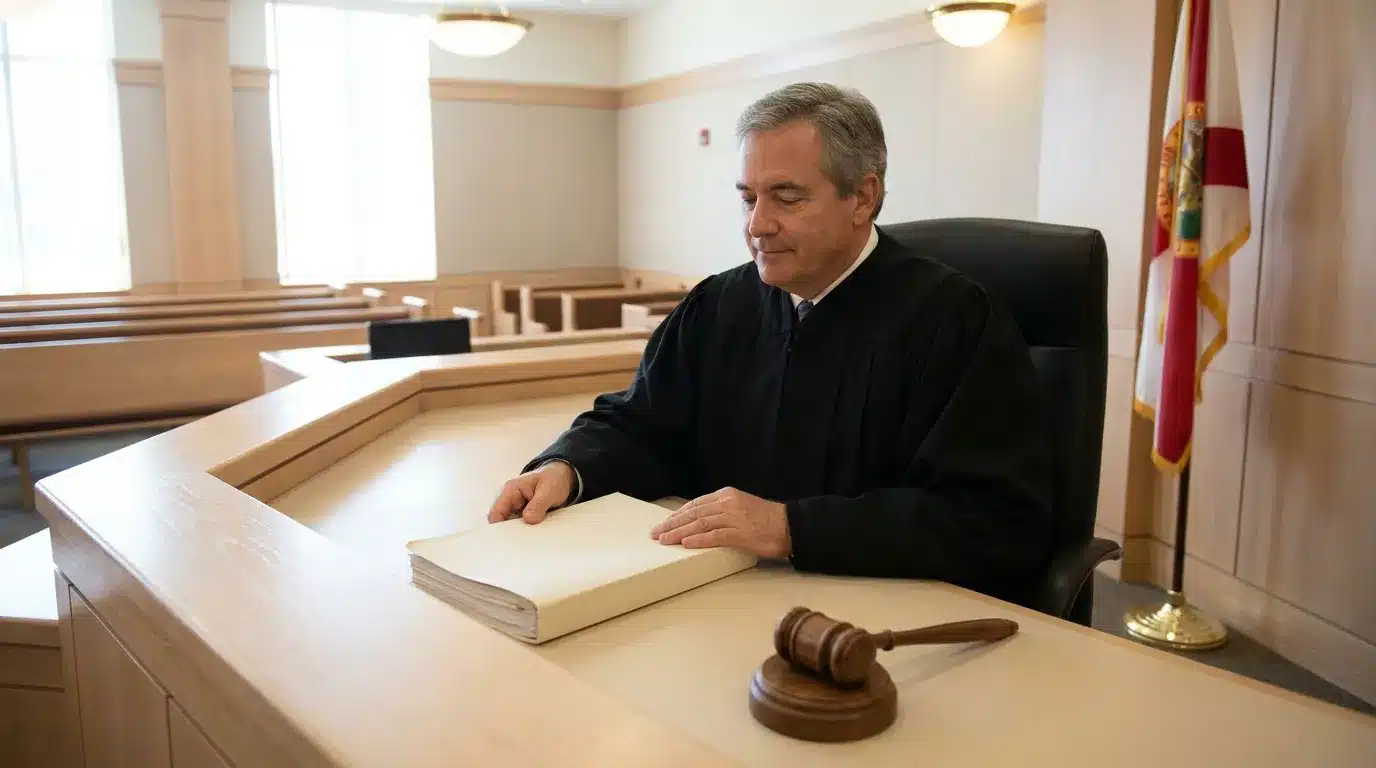



In urgent situations where an adult or minor is in immediate danger, Florida law allows courts to step in quickly through emergency temporary guardianship. This legal process is designed to provide fast protection when there is no time to go through the full guardianship procedure.
Understanding emergency temporary guardianship Florida rules is essential for families facing medical crises, sudden incapacity, or situations involving abuse, neglect, or exploitation. The goal is simple: prevent harm while the court determines a long-term solution.
This guide explains when emergency guardianship applies, how the expedited process works, what evidence is required, and what happens after the emergency order is granted.
What Is Emergency Temporary Guardianship in Florida?
Emergency temporary guardianship is a short-term court order that gives a guardian immediate authority to act on behalf of an incapacitated person (or minor) when urgent intervention is necessary.
Unlike standard guardianship, which can take weeks or months, emergency guardianship is designed to be fast and temporary.
In emergency temporary guardianship Florida cases, the court intervenes only when there is a credible and immediate risk to the person’s:
- Health
- Safety
- Financial well-being
- Basic care needs
When Is Emergency Temporary Guardianship Necessary?
Florida courts only grant emergency guardianship in serious situations where waiting would cause harm.
Common scenarios include:
- Sudden medical emergencies requiring urgent decisions
- Severe cognitive decline with no available decision-maker
- Suspected elder abuse or neglect
- Financial exploitation of a vulnerable person
- Unsafe living conditions
- Abandonment or caregiver absence
- Immediate risk of injury or death
The court requires clear proof that action cannot wait for regular guardianship proceedings.
Legal Standard for Emergency Guardianship
Florida law requires the petitioner to show that:
- The person is likely incapacitated (or a minor needs protection)
- There is an imminent risk of harm
- No less restrictive alternatives are sufficient
- Immediate action is necessary to prevent serious injury or loss
Because this is an extraordinary remedy, courts apply strict scrutiny before granting it.
Step 1: Filing an Emergency Petition
The process begins by filing a petition in the circuit court in the county where the individual resides.
The petition must explain:
- The emergency circumstances
- Why immediate action is required
- Evidence of incapacity or danger
- The type of authority being requested
This is the foundation of an emergency temporary guardianship Florida case.
Step 2: Supporting Evidence Submission
Strong evidence is critical because the court may act quickly, sometimes without a full hearing.
Evidence may include:
- Medical records or physician statements
- Police or adult protective services reports
- Financial records showing exploitation
- Witness statements
- Photographs or documented unsafe conditions
The stronger the documentation, the more likely the court will act immediately.
Step 3: Ex Parte Court Review (In Some Cases)
In urgent situations, the court may review the petition without notifying all parties first.
This is called an “ex parte” review.
The judge evaluates whether immediate harm is likely and whether temporary intervention is justified.
Step 4: Appointment of an Emergency Temporary Guardian
If the court finds sufficient risk, it appoints a temporary guardian immediately.
The order will specify:
- The scope of authority
- Duration of the emergency appointment
- Specific duties and limitations
The guardian may be authorized to:
- Make medical decisions
- Secure finances
- Arrange safe living conditions
- Protect assets or property
Step 5: Follow-Up Hearing
Emergency guardianship is not permanent.
The court schedules a follow-up hearing where:
- Evidence is reviewed in detail
- Medical evaluations may be ordered
- Family members can respond
- Long-term guardianship is considered
This ensures due process is respected.
How Long Does Emergency Guardianship Last?
Emergency temporary guardianship is short-term by design.
Typically:
- It lasts only until the court can hold a full hearing
- Extensions are limited and require justification
- The court may replace it with permanent or limited guardianship if needed
Powers of an Emergency Temporary Guardian
The guardian’s authority is limited to what is necessary to address the emergency.
Common powers include:
- Authorizing urgent medical treatment
- Preventing financial exploitation
- Securing property or assets
- Ensuring safe housing or care placement
Courts carefully restrict powers to avoid unnecessary interference.
Limitations of Emergency Guardianship
Even in urgent cases, guardians cannot:
- Take permanent control of assets without court approval
- Make decisions beyond the emergency scope
- Ignore reporting obligations
- Act outside court instructions
The role is strictly controlled by the court.
Who Can Request Emergency Guardianship?
A petition may be filed by:
- Family members
- Friends
- Healthcare providers
- Adult Protective Services
- Interested parties concerned about safety
The court evaluates each request independently.
How Courts Decide Emergency Cases
Florida judges focus on:
- Immediacy of harm
- Credibility of evidence
- Medical condition of the person
- Availability of alternatives
- Risk of financial or physical injury
Because of the urgency, decisions are often made quickly but carefully.
Emergency Guardianship vs. Regular Guardianship
It is important to understand the difference:
- Emergency temporary guardianship: Immediate, short-term protection
- Regular guardianship: Long-term legal arrangement after full hearings
Emergency orders are often a first step, not a final solution.
Common Mistakes in Emergency Petitions
Petitions may be denied if:
- Evidence is weak or unclear
- No immediate danger is shown
- The issue can be handled through less restrictive means
- Medical documentation is missing
- The request is overly broad
Courts require urgency, not just convenience.
What Happens After the Emergency Order Ends?
After the emergency period:
- The court may dismiss the case
- A permanent guardian may be appointed
- A limited guardianship may be ordered
- Alternatives like POA or medical directives may be used
The final decision depends on long-term needs.
Why Legal Guidance Is Important
Emergency guardianship cases are time-sensitive and procedurally strict.
An attorney can help:
- File emergency petitions quickly and correctly
- Gather strong supporting evidence
- Present urgency to the court effectively
- Ensure compliance with Florida guardianship law
- Transition from emergency to permanent arrangements if needed
In emergency temporary guardianship Florida matters, delays or errors can significantly affect outcomes.
Conclusion
Emergency temporary guardianship in Florida is a critical legal tool used when a person is facing immediate danger and cannot make safe decisions. It allows courts to act quickly to protect health, safety, and financial interests while a long-term solution is determined.
Understanding emergency temporary guardianship Florida helps families respond effectively during urgent situations and ensures vulnerable individuals receive timely protection under court supervision.