


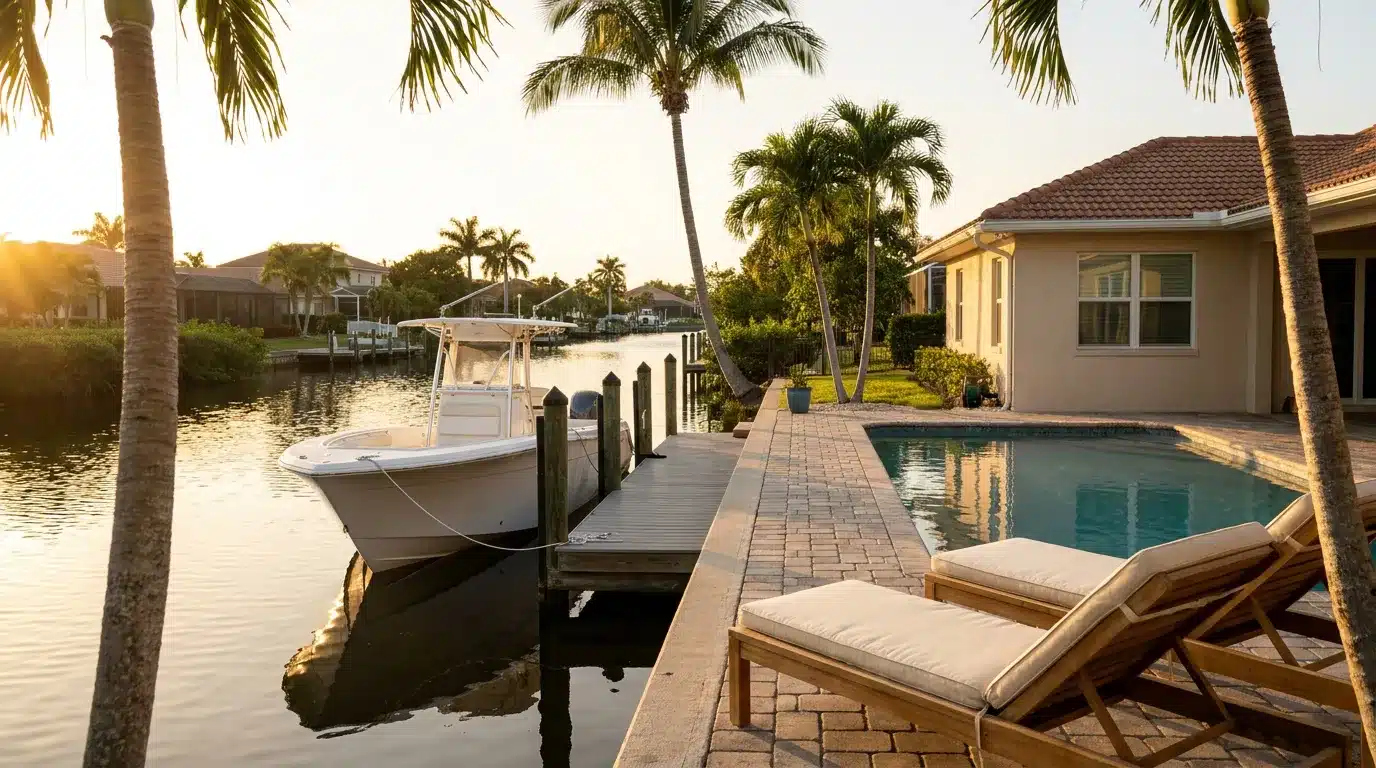
When Your Lifestyle Becomes Evidence in a Florida Divorce
Key Takeaways: Florida courts decide lifestyle issues by first confirming that one spouse needs alimony and the other can pay, then weighing the standard of living established during the marriage as one of several factors under section 61.08, Florida Statutes. Courts also consider each spouse’s anticipated needs and necessities of life after the divorce. Judges rely mostly on documents to reconstruct that lifestyle, such as bank and credit card statements, housing costs, travel and club expenses, children’s education costs, and financial affidavits. Lifestyle is weighed against the length of the marriage, each spouse’s resources and earning capacity, contributions such as homemaking and career support, and realistic post-divorce needs. Since Florida abolished permanent alimony on July 1, 2023, even an affluent lifestyle generally leads to time-limited support. Gathering several years of financial records early can help the court see an accurate picture of the life you built.
For years, your family may have lived a certain way: a home on the water in Stuart, private school tuition, club memberships, and vacations planned months ahead. Now that you are facing divorce, you may wonder whether that life will count when a judge decides alimony. Under Florida law, the marital standard of living is one factor the court must consider, but it is not an automatic entitlement. A judge must first decide whether one spouse needs support and whether the other can pay. Only then does the court weigh your lifestyle alongside other statutory factors.
If you are working through a high-asset divorce and want a clear picture of how your lifestyle may be viewed in court, you do not have to sort it out alone. The Law Offices of Travis R. Walker, P.A. helps Treasure Coast professionals and business owners prepare for alimony disputes using a strategic, data-driven approach. Call 772-708-0952 or schedule a consultation with our team.

The Threshold Question: Need and Ability to Pay
Before a Florida court discusses lifestyle, it must answer two threshold questions. Under section 61.08, Florida Statutes, the court must make a specific factual finding on whether either party has an actual need for alimony and the ability to pay. If the requesting spouse cannot show need, or the other cannot show ability to pay, the court will not award alimony, no matter how comfortable the marriage was.
This surprises many spouses who assume a luxurious marriage guarantees support. The Florida alimony statute requires the judge to confirm need and ability to pay first. Whether the court grants or denies alimony, it must put its findings on the statutory factors in writing, and if it awards alimony, it must also explain the type and amount.
Why Proof of Need Matters in High-Asset Cases
In high-asset marriages, need is often harder to show than people expect. A spouse who receives substantial investment accounts, real estate, or other assets in equitable distribution may have fewer unmet needs once those resources and their income are counted. Florida starts from a presumption of equal division, but a court may divide assets unequally when the facts justify it. How the marital estate is divided can directly affect the alimony analysis.
How Courts Define the Marital Standard of Living in Florida
Once the threshold is met, the court must consider the standard of living established during the marriage. Section 61.08 lists this among the factors a judge weighs in deciding the form and amount of support. The statute says the court considers "all relevant factors, including, but not limited to" the listed items, so lifestyle does not settle the case by itself.
The statute also looks forward, not just backward. The same factor pairs the standard of living with each party’s anticipated needs and necessities of life after entry of the final judgment. In practice, a judge looks at how you actually lived and then at what each spouse will realistically need once there are two households.
What Evidence Typically Shows Lifestyle During Marriage
Courts generally rely on documents, not memories, to reconstruct lifestyle. Common evidence may include:
- Bank and credit card statements showing recurring spending patterns
- Mortgage, property tax, and home maintenance records for primary and secondary residences
- Travel, dining, club, and entertainment expenses
- Private school, tutoring, and extracurricular costs for children
- Financial affidavits exchanged during the case
💡 Pro Tip: Start gathering at least two to three years of financial statements early. Spending in the months right before a filing may not reflect your true marital lifestyle, and a longer history gives the court a more accurate picture.
Lifestyle Built by Both Spouses
A spouse who did not earn income may still be able to claim a high standard of living. Section 61.08 directs courts to consider each party’s contributions to the marriage, including "services rendered in homemaking, child care, education, and career building of the other party." If you stepped back from your own career so your spouse could build a practice or business, that contribution may be part of how the marital lifestyle was created.
The Florida Alimony Factors That Shape the Full Picture
Lifestyle is weighed together with other statutory factors. In addition to the standard of living, section 61.08 directs courts to consider:
| Factor | Why It Matters to Lifestyle |
|---|---|
| Duration of the marriage | Affects which alimony types are available and how long support may last |
| Age and physical and emotional condition | May affect a spouse’s ability to return to work |
| Financial resources, marital and nonmarital | Assets received may reduce or offset need |
| Earning capacity, education, and employability | Courts may consider what a spouse could reasonably earn |
| Contributions to the marriage | Recognizes homemaking and career support |
| Child-care responsibilities | May limit a parent’s work schedule |
| All sources of income | Includes investment income, not just wages |
The statute also contains a catch-all factor. Courts may consider any other factor needed to reach a fair and equitable result. Our article on Florida alimony factors explains the calculation side in more depth.
How the 2023 Alimony Reform Limits Lifestyle Awards
Florida abolished permanent alimony effective July 1, 2023, which changed how lifestyle turns into actual support. Section 61.08, as amended, authorizes temporary, bridge-the-gap, rehabilitative, and durational alimony, and the court may combine the non-temporary forms. A court can no longer award permanent alimony to maintain a marital lifestyle indefinitely.
| Alimony Type | General Purpose | General Limits |
|---|---|---|
| Bridge-the-gap | Short-term transition to single life | Generally up to 2 years |
| Rehabilitative | Education or training to become self-supporting | Generally up to 5 years, requires a specific plan |
| Durational | Economic support for a set period | Capped by marriage length |
Durational alimony is now tied directly to the length of the marriage. It is not available for marriages of less than three years. It may not last longer than 50 percent of the length of a short-term marriage (less than 10 years), 60 percent of a moderate-term marriage (10 to 20 years), or 75 percent of a long-term marriage (20 years or more). A court may exceed those limits only in exceptional circumstances, supported by written findings. The amount is generally capped at the lesser of the recipient’s reasonable need or 35 percent of the difference between the parties’ net incomes.
💡 Pro Tip: If your divorce was filed or your agreement was signed before the 2023 changes, how the law applies to you may depend on timing and posture. Ask an attorney to review your specific dates.
Common Challenges Stuart Families Face in Lifestyle Disputes
Stuart families going through a high-asset divorce often ask why the other side’s picture of the marriage looks so different from theirs. One spouse may cast expenses as rare luxuries, while the other shows they were routine. Business owners in Martin County and Palm Beach County may run personal expenses through a company, which can hide the true lifestyle unless someone analyzes the records carefully.
Income can also be harder to pin down in complex estates. Bonuses, distributions, rental income, and investment returns can all bear on need and ability to pay. When income fluctuates, courts may look at patterns over several years. An experienced Stuart FL alimony attorney can help organize this data into a clear, credible story for the court.
Temporary relief orders can set the tone early. While a case is pending, a court may award temporary support, and the financial evidence presented then can affect the rest of the case. For broader background, you can review these general alimony concepts, though Florida’s statute controls your case.
Frequently Asked Questions
1. Does a high marital standard of living in Florida guarantee alimony?
No. The court must first find actual need and ability to pay under section 61.08, Florida Statutes. Lifestyle is weighed alongside other statutory factors, including each party’s anticipated needs after the divorce.
2. Can I still receive permanent alimony in Florida?
Not in a new award. Florida abolished permanent alimony effective July 1, 2023. Permanent awards entered before the change may still be in effect.
3. How long can durational alimony last?
It is not available for marriages of less than three years. Otherwise, it is generally capped at 50, 60, or 75 percent of the marriage’s length, depending on whether it was short-term, moderate-term, or long-term.
4. Will the assets I receive in the divorce affect alimony?
They may. Courts consider each party’s financial resources, including marital and nonmarital assets. Substantial assets could reduce demonstrated need.
5. What if my spouse hid spending through a business?
Courts may consider all sources of income available to either party. Careful financial analysis and discovery may help reveal expenses and income that are not obvious at first.
Protecting the Life You Built as You Move Forward
The marital standard of living in Florida is an important piece of the alimony analysis, but only one piece. Judges first decide need and ability to pay. They then weigh lifestyle against the length of the marriage, each spouse’s resources and earning capacity, contributions to the marriage, and the limits set by the 2023 reforms. Because every case turns on its own facts, clear documentation and a thoughtful strategy may make a real difference.
You built a life worth protecting, and you deserve a guide who understands both the numbers and what is at stake for you personally. The Law Offices of Travis R. Walker, P.A. works with Treasure Coast families on high-asset alimony matters with care and modern strategy. Call 772-708-0952 or contact the Law Offices of Travis R. Walker today.
Disclaimer: This content is for informational purposes only and is not legal advice. Every case is unique, and results may vary. Consult an attorney about your specific circumstances.