


Ending a marriage is both an emotional and legal process. In Florida, divorce follows specific rules that determine where you can file, what you need to prove, and how issues like property, custody, and support are handled. Understanding these steps early can make the process more manageable and less stressful.
If you are searching for how to file for divorce Florida, this guide breaks down the process in a clear, step-by-step way so you know what to expect from start to finish.
Step 1: Meet Florida’s Residency Requirement
Before you can file for divorce in Florida, at least one spouse must meet the state’s residency requirement.
To file in Florida:
- One spouse must have lived in Florida for at least 6 months before filing
- Proof of residency may be required (such as a Florida ID, lease, or utility bills)
If this requirement is not met, the court will not accept your divorce petition.
Step 2: Determine the Grounds for Divorce
Florida is a “no-fault” divorce state. This means you do not need to prove wrongdoing by your spouse.
The most common ground used is:
- The marriage is “irretrievably broken”
In simple terms, this means the marriage cannot be fixed.
In rare cases, a court may also consider mental incapacity, but most divorces are filed under the no-fault rule.
Step 3: Decide Where to File the Case
A divorce case (legally called a “dissolution of marriage”) is typically filed in:
- The circuit court in the county where either spouse lives
For example, if you live in Miami-Dade County, the case is filed there.
Choosing the correct court is important because filing in the wrong county can delay the process.
Step 4: Prepare and File the Divorce Petition
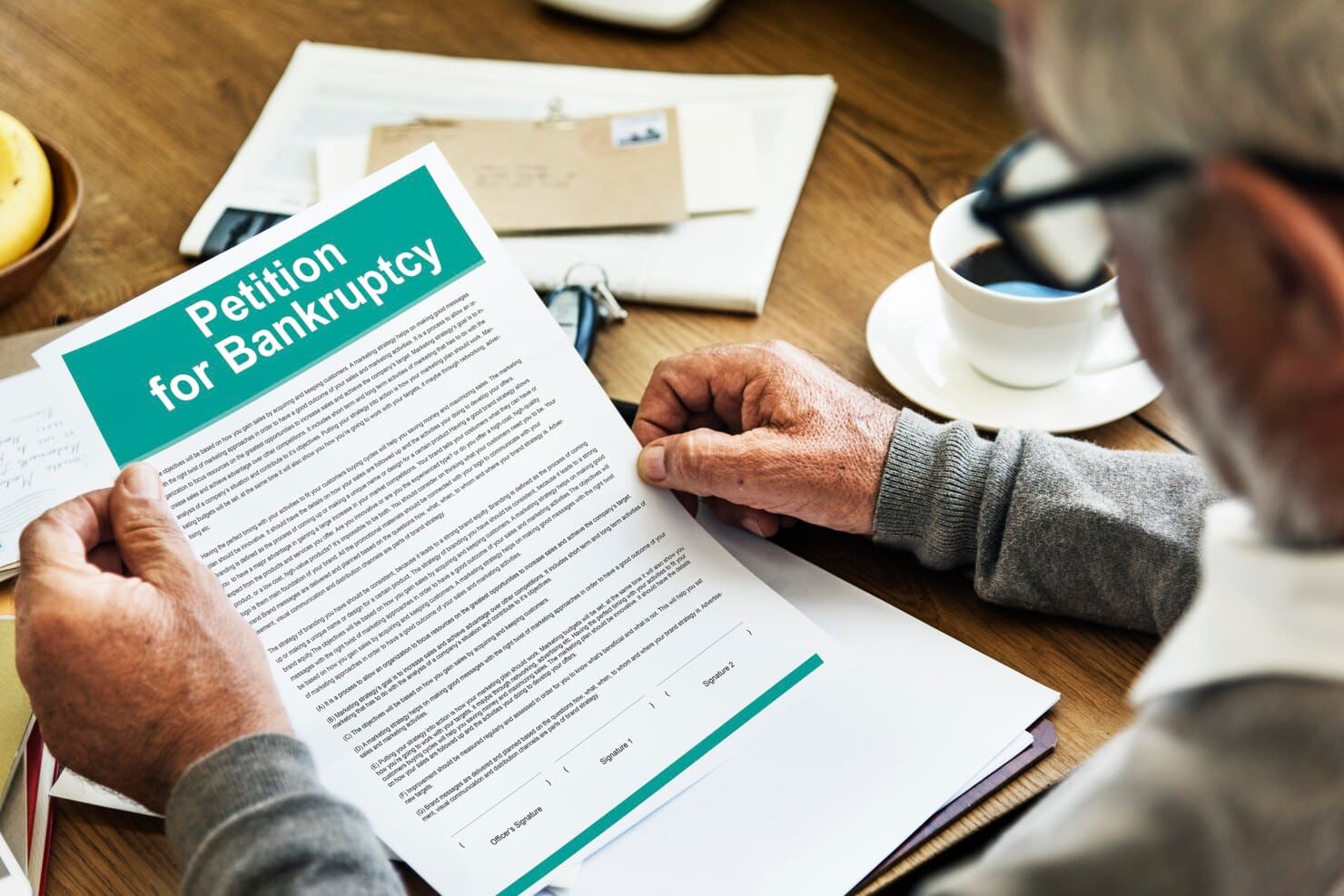
The first official legal step is filing a Petition for Dissolution of Marriage.
This document includes:
- Names of both spouses
- Date of marriage
- Details about children (if any)
- Property and debt information
- Request for relief (what you are asking the court to decide)
If you are researching how to file for divorce Florida, this is the most important document in the process.
Once completed, the petition is filed with the court and a filing fee is paid (fees vary by county).
Step 5: Serve Your Spouse
After filing, you must legally notify your spouse.
This is called “service of process.”
Your spouse must receive:
- A copy of the divorce petition
- A summons from the court
Service is usually done by:
- A sheriff’s deputy
- A process server
- Certified legal delivery methods (in some cases)
Your spouse then has a limited time to respond, usually 20 days.
Step 6: Spouse Files a Response
After being served, your spouse can:
- Agree with the petition (uncontested divorce)
- Disagree with some or all terms (contested divorce)
- File a counter-petition
The response determines how complicated the case will become.
Step 7: Disclose Financial Information
Florida law requires both spouses to fully disclose financial information.
This includes:
- Income
- Bank accounts
- Real estate
- Debts
- Retirement accounts
- Monthly expenses
This step is essential because Florida courts divide property based on fairness, not necessarily 50/50.
Step 8: Address Child Custody and Parenting Plans (If Applicable)
If children are involved, the court will require a parenting plan.
This plan covers:
- Time-sharing schedule
- Decision-making responsibilities
- Communication rules between parents
- Transportation arrangements
- Holiday schedules
Florida courts focus on the “best interests of the child” when deciding custody arrangements.
Step 9: Divide Marital Property and Debts
Florida follows the principle of “equitable distribution.”
This means assets and debts are divided fairly, which may not always be equally.
Marital property may include:
- Homes
- Vehicles
- Bank accounts
- Retirement savings
- Shared debts
The court considers factors such as:
- Length of marriage
- Each spouse’s financial situation
- Contributions to the marriage
- Future financial needs
Step 10: Determine Alimony (If Requested)
Alimony is financial support paid from one spouse to the other.
Florida courts may consider:
- Standard of living during marriage
- Length of marriage
- Income differences
- Age and health of each spouse
- Earning capacity
Types of alimony may include:
- Temporary
- Bridge-the-gap
- Rehabilitative
- Durational
Not every case includes alimony, and courts evaluate it based on specific circumstances.
Step 11: Attend Mediation or Court Hearings
Many Florida divorce cases require mediation before trial.
Mediation is a process where:
- A neutral third party helps both spouses negotiate
- Agreements can be made without going to trial
- Settlements are often faster and less expensive
If mediation fails, the case may proceed to a court hearing or trial.
Step 12: Final Judgment of Divorce
Once all issues are resolved, the court issues a Final Judgment of Dissolution of Marriage.
This document officially ends the marriage and includes:
- Property division orders
- Custody arrangements
- Child support terms
- Alimony decisions (if any)
After the judge signs the judgment, the divorce is legally final.
Uncontested vs Contested Divorce in Florida
Understanding the type of divorce can help you anticipate the process.
Uncontested Divorce
- Both spouses agree on all issues
- Faster process
- Lower legal costs
- Fewer court appearances
Contested Divorce
- Spouses disagree on one or more issues
- May require mediation or trial
- Longer and more expensive process
- Requires more court involvement
Common Mistakes to Avoid When Filing for Divorce in Florida
People often make avoidable mistakes during divorce, such as:
- Not meeting residency requirements
- Failing to disclose assets fully
- Ignoring legal deadlines
- Making informal agreements without court approval
- Not understanding custody laws
Avoiding these mistakes can prevent delays and legal complications.
Do You Need a Lawyer to File for Divorce?
You are not legally required to hire a lawyer in Florida, but legal guidance is often helpful, especially if:
- You have children
- You own property
- There are disputes over money or custody
- The divorce is contested
An attorney can help protect your rights and ensure all paperwork is properly completed.
Conclusion
Filing for divorce in Florida involves several legal steps, including meeting residency requirements, filing a petition, serving your spouse, and resolving issues like property division, custody, and support. While the process can feel overwhelming, understanding each stage can make it easier to navigate.
If you are researching how to file for divorce Florida, knowing these steps in advance can help you prepare for what comes next and move through the process with greater clarity and confidence.