

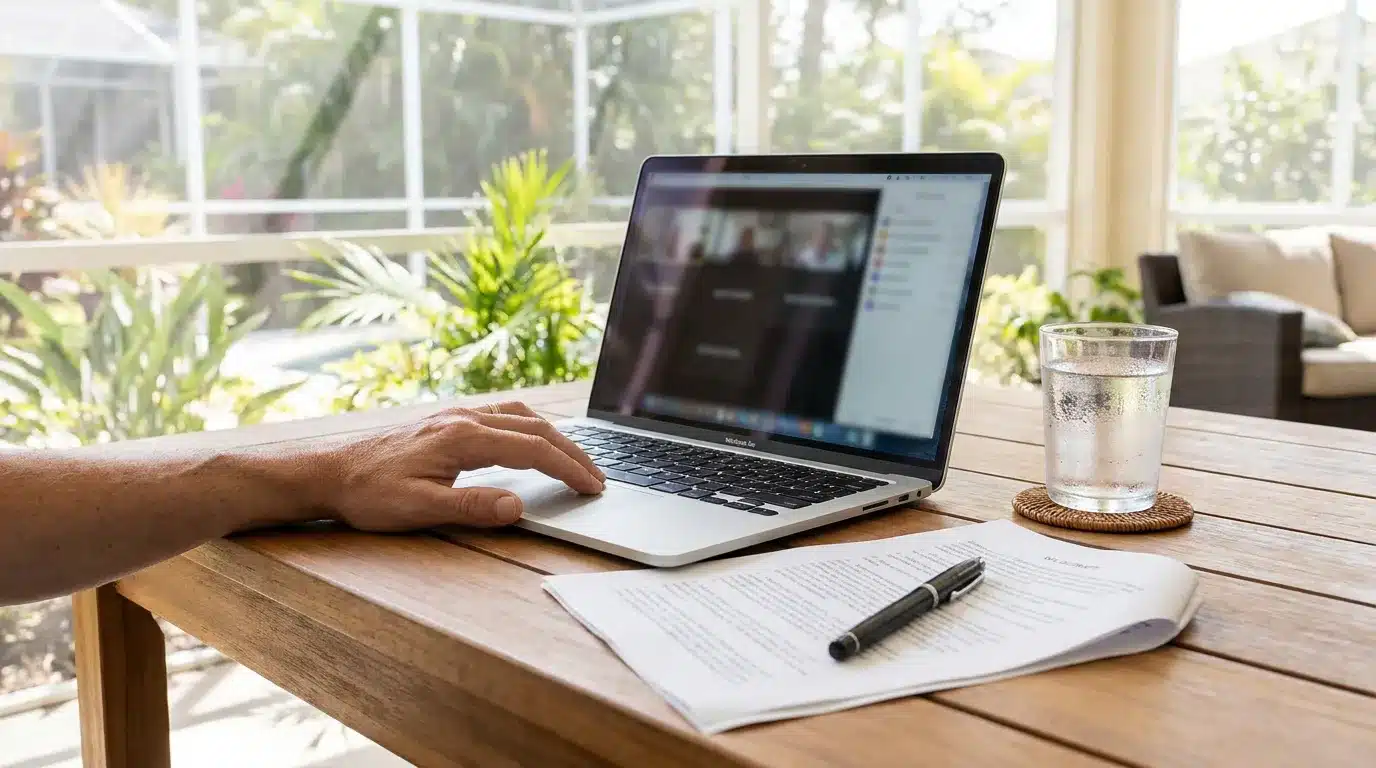
Can You Create a Valid Will Online in Florida?
Key Takeaways: Yes, a will you create online can be legally valid in Florida, but only if it follows the electronic will rules in Fla. Stat. § 732.522. Florida’s general e-signature law, Fla. Stat. § 668.50, does not govern how wills are made and signed, so signing on a website or e-signature platform is generally not enough. Every will, paper or electronic, must be in writing, signed by the testator, and signed by two attesting witnesses as Fla. Stat. § 732.502 requires. Witnesses may take part remotely only during a notary-supervised online notarization session that meets Chapter 117, and vulnerable adults cannot use remote witnesses. Making the will self-proved may ease probate for your family. Snowbirds and anyone who used a DIY will service should have an attorney review their documents.
Yes, a will you create online can be legally valid in Florida, but only if it follows the specific rules the Legislature wrote for electronic wills. Typing your wishes into a website or signing a PDF with a digital signature is generally not enough. An electronic will must meet the same core formalities as a paper will. If the witnesses take part remotely, it must also meet the remote notarization and witnessing rules in Fla. Stat. § 732.522.
If you have already created a will online, or you are thinking about it, a short talk with our team can tell you whether your plan will hold up. The Law Offices of Travis R. Walker, P.A. helps Martin County and Palm Beach County residents create estate plans that are both convenient and compliant with Florida law. Call 772-708-0952 or contact us now to schedule a consultation with our team.
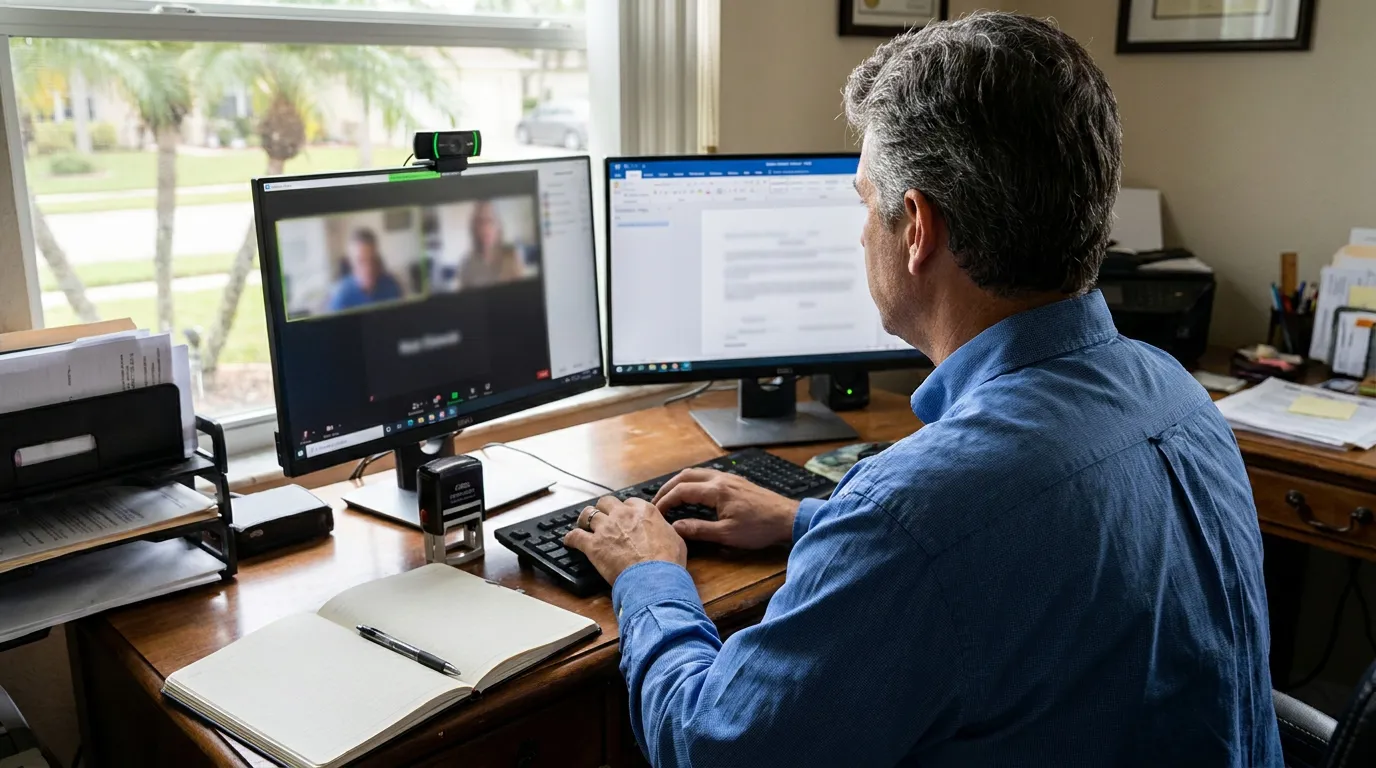
Why Florida’s E-Signature Law Does Not Cover Your Will
You can sign most Florida documents electronically, but wills are a notable exception. Florida’s Uniform Electronic Transaction Act, Fla. Stat. § 668.50(7)(a), provides that "a record or signature may not be denied legal effect or enforceability solely because it is in electronic form." That rule covers contracts, real estate paperwork, and many everyday business records.
However, the same statute excludes wills. Under Fla. Stat. § 668.50(3)(b)(1), the Act does not apply to laws governing "the creation and execution of wills, codicils, or testamentary trusts." So the general permission to sign electronically does not make an online will valid in Florida courts. Instead, the Legislature passed separate laws, now found in Fla. Stat. §§ 732.521, 732.528.
When Florida Began Allowing Electronic Wills
Florida’s electronic wills law came out of the 2019 legislative session (ch. 2019-71, Laws of Florida), but its main provision governing the execution of electronic wills, Fla. Stat. § 732.522, took effect on July 1, 2020; the related remote online notarization provisions under Chapter 117 took effect on January 1, 2020. The Legislature has amended related provisions since then. Older electronic documents signed before these laws applied may not qualify.
The Baseline Every Florida Will Must Meet
Every Florida will, paper or electronic, must meet the signing requirements in Fla. Stat. § 732.502(1)(a)-(c). Electronic tools can help you meet them, but they cannot replace them.
- The will must be in writing.
- The testator (the person making the will) must sign at the end, or someone else must sign the testator’s name at the end in the testator’s presence and at the testator’s direction.
- The testator must sign, or acknowledge the signature, in the presence of at least two attesting witnesses.
- The witnesses must sign in the presence of the testator and of each other.
Florida also rejects certain types of wills outright. Under Fla. Stat. § 732.502(2), Florida does not recognize holographic (handwritten, unwitnessed) or nuncupative (spoken) wills, even if they were valid where a nonresident made them. Other wills signed by nonresidents are generally valid in Florida if they were valid where signed. Under Fla. Stat. § 732.502(4) and (5), no set wording is needed when the formalities are followed, and a codicil must be signed with the same formalities as a will. You can review these provisions in Florida’s wills statutes.
How a Florida Electronic Will Works Under Statute 732.522
Under Fla. Stat. § 732.522(1), "any requirement that an instrument be signed may be satisfied by an electronic signature." This applies to the will itself, the testator’s acknowledgment, and the witness affidavits. The electronic signature replaces only the ink. Every other rule still applies.
What Counts as an Electronic Will and Signature
Florida defines both terms in Fla. Stat. § 732.521. An "electronic will" is a testamentary document, including a codicil, signed with an electronic signature in the way the probate code requires. An "electronic signature" is an electronic mark visibly made in or attached to the record, with the intent to sign it.
The Four Conditions for Remote Witnessing
Witnesses may watch the signing through live audio-video, but only when all four conditions in Fla. Stat. § 732.522(2)(a)-(d) are met.
- A notary public supervises the signing under Fla. Stat. § 117.285.
- Everyone’s identity is verified and everyone signs during an online notarization session under Fla. Stat. § 117.265.
- Each witness hears the testator state that they have signed.
- The signing and witnessing follow Fla. Stat. § 117.285.
A will typed or signed on a website without these steps generally does not meet the remote witnessing rules. The law ties electronic wills directly to Florida’s notary statutes, so the process requires a qualified online notary and approved audio-video technology. Under Chapter 117, a testator who is a vulnerable adult cannot use remote witnesses. The witnesses must be physically present. Testators must also answer screening questions about their status, so an attorney should review the situation first.
💡 Pro Tip: Under Fla. Stat. § 732.522(4), an electronically signed will counts as signed in Florida if it states that the testator intends to sign it, and understands they are signing it, in Florida and under Florida law. If your will lacks that language, ask an attorney whether to update it.
What Makes an Online Will Valid in Florida Courts
When an electronic will meets Fla. Stat. § 732.522, Florida generally treats it like a paper will. Under Fla. Stat. § 732.522(3), unless the electronic wills statutes say otherwise, courts decide questions about its force, effect, validity, and meaning the same way as for a will signed under Fla. Stat. § 732.502. Fla. Stat. § 732.522(2), together with Fla. Stat. § 117.285, limits when a remotely witnessed will can be treated as valid if the testator was a vulnerable adult.
Making the will "self-proved" can make probate smoother for your family. Under Fla. Stat. § 732.503(1), a will may be self-proved through the testator’s acknowledgment and the witnesses’ sworn affidavits before a notary or other officer authorized to give oaths. The official form includes checkboxes for "physical presence" or "online notarization," which confirms that Florida accepts remote notarization for this purpose. For an electronic will, Fla. Stat. § 732.523 adds requirements, such as how a qualified custodian holds the will, before it can be treated as self-proved.
| Will Type | Recognized in Florida? | Key Requirement |
|---|---|---|
| Traditional paper will | Yes | Signed before two witnesses under § 732.502 |
| Electronic will with in-person witnesses | Yes, if compliant | Electronic signature permitted under § 732.522(1) |
| Electronic will with remote witnesses | Yes, if compliant | Notary-supervised online session under §§ 117.265, 117.285 |
| DIY website will without witnesses | Generally no | Fails § 732.502 formalities |
| Handwritten or spoken will | No | Excluded by § 732.502(2) |
Common Mistakes Treasure Coast Residents Make With Digital Wills
The most common problem is assuming that an e-signature platform creates a valid will. Many people in Stuart and throughout Martin County sign through a general e-signature service, believing it works like signing a lease. Because Fla. Stat. § 668.50(3)(b)(1) excludes wills, that approach generally fails unless the will also meets the § 732.502 and § 732.522 requirements.
Another common problem involves witnesses who were never actually present. A family member who "approves" a document by email, or a witness who signs days later outside the testator’s presence, generally does not meet Fla. Stat. § 732.502(1). Our article on what happens when a will fails Florida requirements explains the risks your loved ones may face.
Special Considerations for Snowbirds
Seasonal residents often bring wills drafted in another state. Florida may honor a will a nonresident validly signed elsewhere under Fla. Stat. § 732.502(2), unless it is holographic or nuncupative. An out-of-state electronic will raises harder questions about where and how it was signed. Snowbirds should review their whole plan, including powers of attorney and healthcare documents, with an attorney who knows Florida law.
Using Technology Wisely in Your Estate Plan
Technology can make estate planning faster and easier when you use it within the law. Our firm uses modern tools, including secure remote signing when appropriate. A Palm Beach County retiree with mobility concerns or a business owner who travels often may benefit from a properly conducted online notarization session, as long as the testator is not a vulnerable adult.
Still, the right approach depends on your family, your assets, and your health. An in-person signing can sometimes reduce the chance of later disputes. Working with an online will Florida lawyer can help you choose the method that best protects your wishes.
Frequently Asked Questions
1. Is a will I made on a DIY website valid in Florida?
It depends on how you signed it and who witnessed it. If you printed it and signed it before two witnesses as Fla. Stat. § 732.502 requires, it may be valid. If you only signed it electronically without a compliant witnessing process, it generally will not be.
2. Can my witnesses join by video call?
Yes, but only under the four conditions in Fla. Stat. § 732.522(2). A notary must supervise the signing during an online notarization session that complies with Chapter 117. An ordinary video call generally does not qualify. Vulnerable adults cannot use remote witnesses.
3. Will my electronic will be treated differently in probate?
Florida generally treats a compliant electronic will the same as a paper will. Extra rules apply to storage and to remote witnessing involving vulnerable adults. Making it self-proved under §§ 732.503 and 732.523 may simplify probate.
4. Does Florida accept my out-of-state will?
In many cases, yes, if you were a nonresident and the will was valid where you signed it. Florida does not accept holographic or nuncupative wills, even if they were valid in another state.
5. Can I update my will electronically?
Yes, you may sign a codicil electronically if it meets the same formalities as a will. Under Fla. Stat. § 732.502(5), a codicil requires the same signing steps.
Protecting Your Estate Plan
Florida allows electronic wills, but only on its own terms. Fla. Stat. § 732.522 permits electronic signatures and remote witnessing, with limits. Section 668.50 keeps wills outside the general e-signature law, and § 732.502 sets the basic formalities every will must meet. For Stuart, Martin County, and Palm Beach County families, the safest path is a plan that uses technology carefully and follows each step the law requires.
Your estate plan should protect what you have built exactly as you intend. The Law Offices of Travis R. Walker, P.A. guides Treasure Coast families and seasonal residents through wills, trusts, and modern estate planning. Call 772-708-0952 or reach out online to speak with our Stuart, FL family law and estate planning attorneys.
Disclaimer: This content is for informational purposes only and is not legal advice. Every case is unique, and results may vary. Consult an attorney about your specific circumstances.