Protecting Your Family From Unnecessary Probate Hurdles
Key Takeaways: A self-proving affidavit can help speed up probate for your Florida family. Under Fla. Stat. § 733.201(1), a self-proved will can generally be admitted to probate without further proof, so your loved ones may not have to find the original witnesses. The affidavit is a sworn statement made by you and your two witnesses before a notary or other officer authorized to give oaths. It only works if the will was first signed correctly under Fla. Stat. § 732.502. If the court admits the will sooner, it can appoint the personal representative sooner, who can then send notices, carry out duties, and start the creditor claim period. Florida also generally treats wills made self-proved under another state’s law as self-proved, which can help snowbirds and newcomers. You can generally add the affidavit to an existing will at any later date. Florida allows electronic wills and remote witnessing, but they must meet strict custodian and online notarization rules. A self-proving affidavit does not prevent will contests, so it’s wise to have an attorney review your documents.
A self-proving affidavit can save your family time, stress, and paperwork during a hard time. In Florida, a self-proved will can generally be admitted to probate without further proof, so your loved ones may not have to find the original witnesses to testify that you signed your will properly. Many Stuart and Treasure Coast families learn this only after they file a parent’s will and find that the witnesses have moved away or died. Adding a self-proving affidavit now can help your personal representative start the process sooner.
Your estate plan should make things easier for the people you love. At The Law Offices of Travis R. Walker, P.A., we use modern, data-driven planning tools along with personal guidance so Martin County and Palm Beach County families can feel more confident their wills are ready when needed. Call 772-708-0952 or schedule a consultation with our team to review your will.
What a Self Proving Affidavit Florida Families Rely On Actually Does
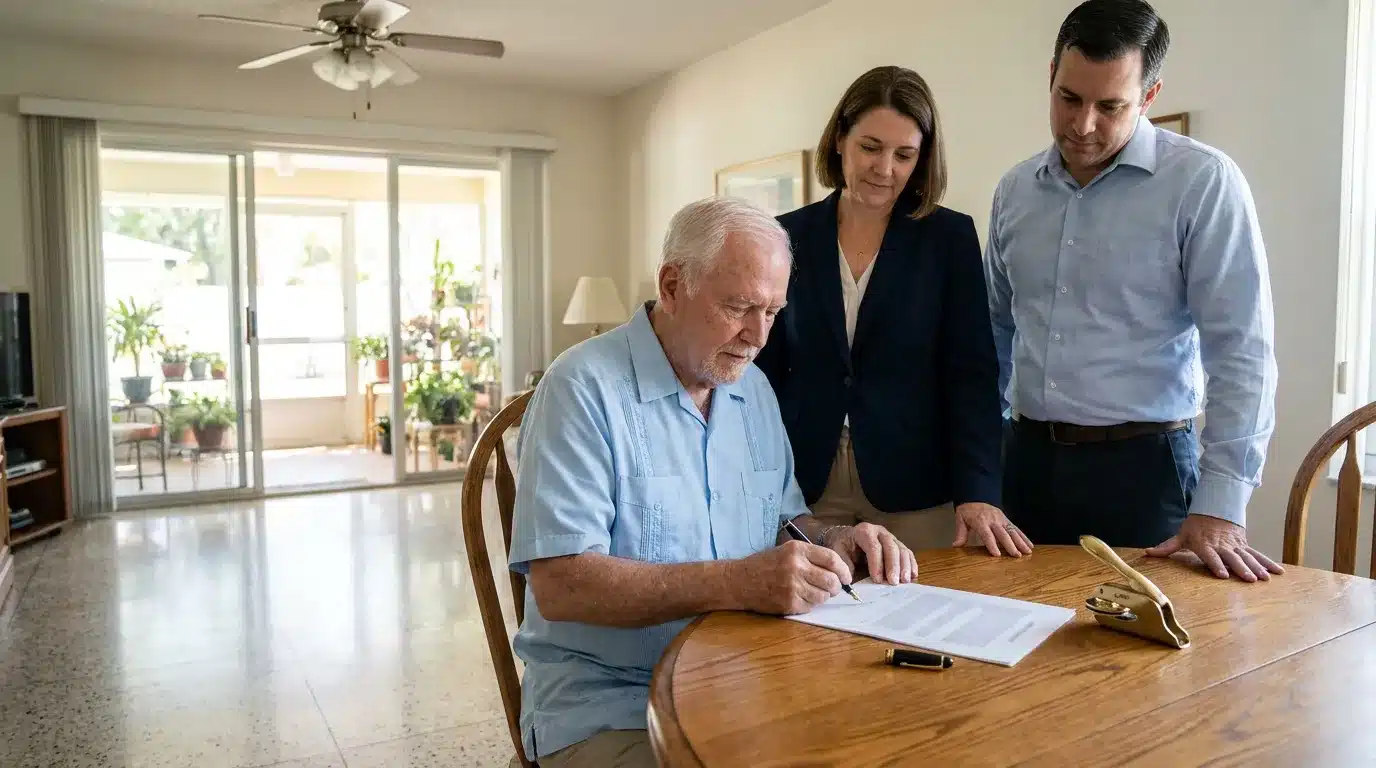
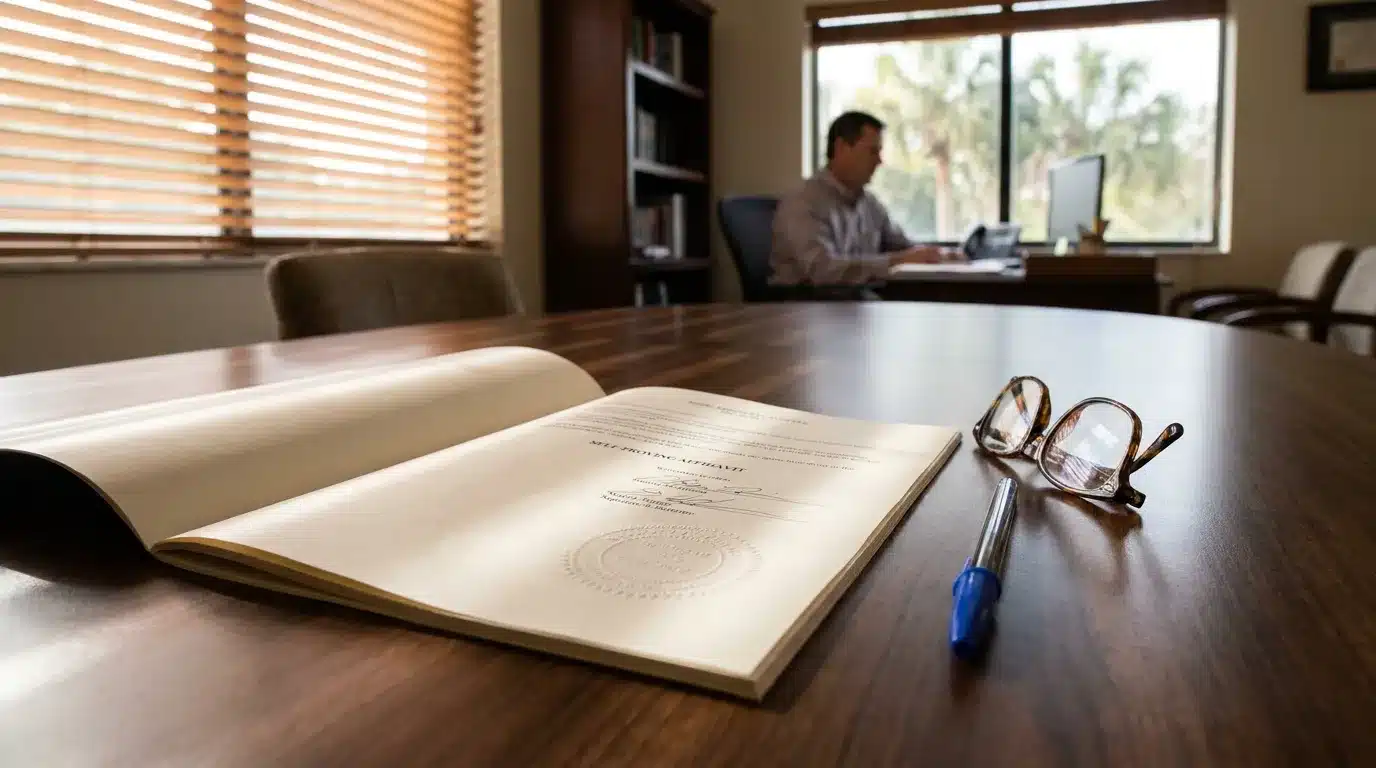
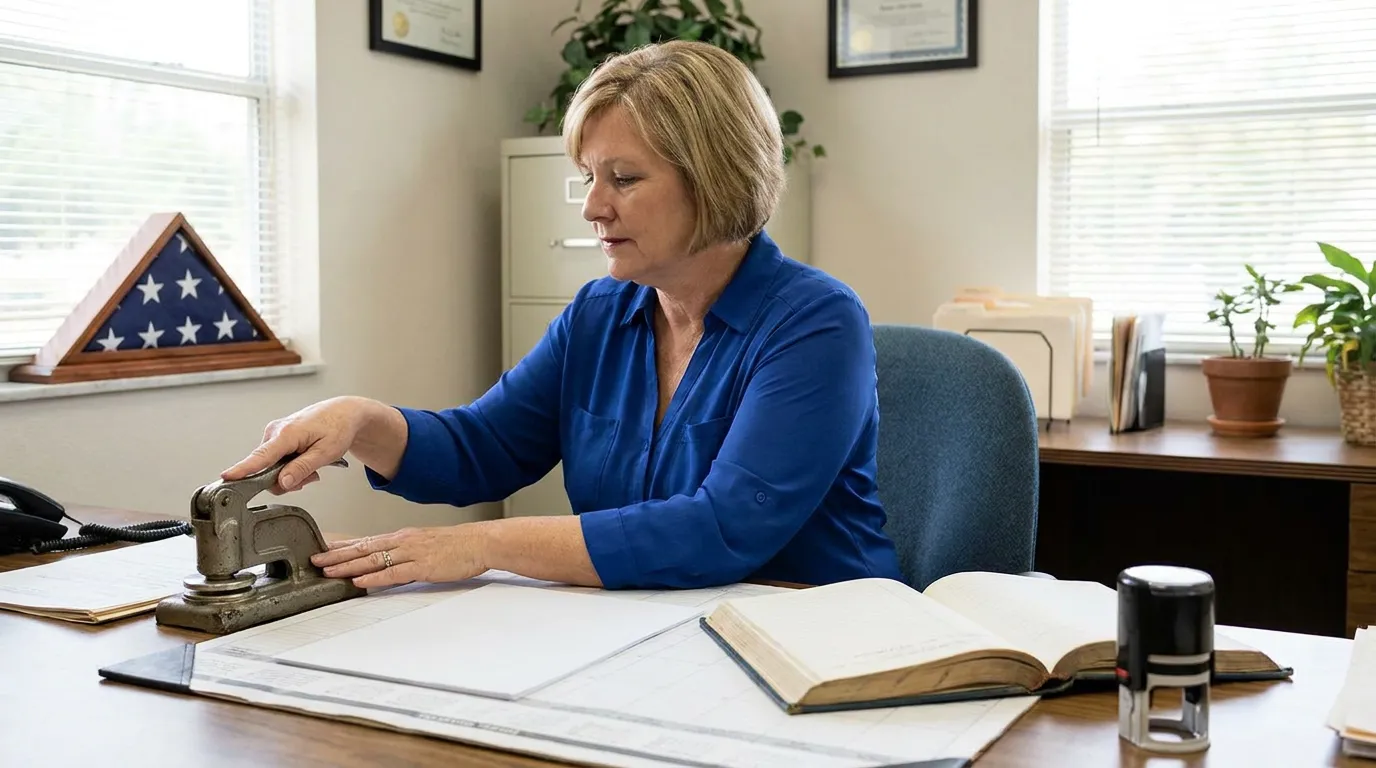
A self-proving affidavit is a sworn statement attached to your will, made by you and your two witnesses before a notary or other officer authorized to give oaths. Under Fla. Stat. § 732.503(1), the testator acknowledges the will and the witnesses sign affidavits before an officer authorized to give oaths. In most cases that officer is a notary, who attaches a certificate under official seal. In the affidavit, you declare that you signed the document as your will. The witnesses swear that you signed it (or acknowledged your signature) in their presence and that each witness signed in your presence and in the presence of each other.
The Foundation: A Validly Executed Will
A will can only be self-proved if it was first signed correctly under Fla. Stat. § 732.502. Florida requires every will to meet these conditions:
- It must be in writing.
- The testator must sign at the end, or someone else may sign the testator’s name at the end in the testator’s presence and at the testator’s direction.
- The testator must sign, or acknowledge an earlier signature, in front of at least two witnesses.
- The witnesses must sign in the presence of the testator and of each other.
If any of these steps is missing, a self-proving affidavit cannot fix the problem. The affidavit shows the will was signed properly. It does not replace proper signing.
What the Statutory Form Includes
Fla. Stat. § 732.503(1) provides a standard self-proof form, which lawmakers updated to account for online notarization. The notary’s certificate states whether each person appeared in person or by online notarization, and how the notary identified each person: either the notary knows the person, or the person showed an acceptable ID under Fla. Stat. § 117.05(5)(b)2. The wording need only be in substantially the statutory form. You can read the full text in Florida’s Chapter 732 statutes.
How a Self-Proved Will Florida Courts Accept Speeds Up Probate
The main time savings come from Fla. Stat. § 733.201(1), which says that self-proved wills executed under the Florida Probate Code "may be admitted to probate without further proof." Without a self-proving affidavit, an attesting witness usually must prove the will by oath before the court or a commissioner under Fla. Stat. § 733.201(2). If no witness is available, the personal representative or another person may prove the will under Fla. Stat. § 733.201(3), which can take more time and paperwork. That can be very hard when the testator signed the will decades ago in another state.
Once the court admits the will and issues letters of administration, the personal representative can move on to the next steps. These include serving the notice of administration under Fla. Stat. § 733.212 and carrying out the general duties in Fla. Stat. § 733.602. The creditor claim period under Fla. Stat. § 733.702 generally runs from the first publication of the notice to creditors, which happens only after administration has begun. So a delay in admitting the will can push back every deadline that follows. For a step-by-step overview, see our complete guide to probating a will.
| Without Self-Proving Affidavit | With Self-Proving Affidavit |
|---|---|
| Witness oath or other proof usually required | Generally admitted without further proof |
| Family may need to find witnesses, who may have died or moved | No need to find witnesses in most cases |
| Higher risk of probate delays in Florida | Often a faster start to administration |
A self-proving affidavit makes it easier to prove the will. It does not prevent challenges based on undue influence, lack of capacity, fraud, or revocation. Other parts of probate, such as creditor claims and asset issues, still follow their own timelines under the Florida Probate Code.
Good News for Snowbirds and Newcomers to the Treasure Coast
Fla. Stat. § 732.503(2) treats a will as self-proved in Florida if it was made self-proved under earlier Florida law, or signed in another state and made self-proved under that state’s law. This matters in Stuart, where many retirees and seasonal residents arrive each fall with wills drafted in New York, Ohio, or New England.
Under Fla. Stat. § 732.502(2), a will signed by a nonresident of Florida is generally valid in Florida if it was valid under the law of the place where it was signed. This rule does not cover handwritten or oral wills. Even when an out-of-state will is valid, moving your legal home to Florida can raise other planning questions, so it is a good time to review your full plan.
💡 Pro Tip: If you have made Florida your legal home, ask your attorney whether your out-of-state will addresses Florida-specific issues, such as homestead rules, even if it is already self-proved.
Adding a Will Affidavit to an Existing Will
Under Fla. Stat. § 732.503(1), you can make a will self-proved when you sign it or at any later date. If you have an older Florida will without a self-proving affidavit, you may be able to add one without rewriting the whole will. You and your original witnesses would sign the acknowledgment and affidavits before a notary. If those witnesses are no longer available, you may need to re-sign the will with new witnesses.
Codicils Need the Same Care
Fla. Stat. § 732.502(5) requires you to sign a codicil with the same formalities as a will. You can make a codicil self-proved the same way under Fla. Stat. § 732.503. Skipping these steps on a codicil can cause the very delay you wanted to avoid.
Electronic Wills and Remote Signing in Florida
Florida allows electronic wills, but under Fla. Stat. § 732.523 they are self-proved only if they meet four conditions. First, the acknowledgment and affidavits must follow Fla. Stat. § 732.503 and be part of, attached to, or logically linked to the electronic record. Second, the will must name a qualified custodian. Third, a qualified custodian must hold the electronic record at all times before anyone offers it for probate. Fourth, the custodian must certify under oath that the record stayed in proper custody and was not altered.
Under Fla. Stat. § 732.522, witnesses may attend remotely by audio-video technology only if the signing meets the online notarization rules of Chapter 117, including Fla. Stat. § 117.285. Witnesses for a vulnerable adult must be physically present. Under Fla. Stat. § 733.201, if an electronic will claims to be self-proved but its online notarization substantially failed to follow Fla. Stat. § 117.265, it must be proved the regular way.
💡 Pro Tip: Tell your family where you keep your original will, or who your qualified custodian is. A self-proved will only helps if your family can find it.
Frequently Asked Questions
1. Is a self-proving affidavit required for a valid Florida will?
No. Your will can still be valid without one if it meets Fla. Stat. § 732.502. The affidavit mainly makes it easier to prove the will in probate.
2. Can I add a self-proving affidavit years after signing my will?
Generally, yes. Fla. Stat. § 732.503(1) allows self-proof at any later date, through your acknowledgment and your original witnesses’ affidavits made before a notary.
3. Will Florida accept my self-proved will from another state?
In many cases, yes. Under Fla. Stat. § 732.503(2), Florida treats a will signed in another state and made self-proved under that state’s law as self-proved.
4. Does a self-proving affidavit prevent will contests?
No. It makes it easier to prove the will was properly signed, but it does not stop challenges such as undue influence or lack of capacity.
5. Can witnesses sign remotely?
Sometimes. Fla. Stat. § 732.522 allows witnesses to attend by audio-video technology when the signing meets the online notarization rules of Chapter 117. This option is not available when the testator is a vulnerable adult.
Giving Your Family a Clearer Path Forward
A self-proving affidavit is a small step that can make a real difference in Florida probate. It can spare your loved ones the work of finding witnesses, help the court admit the will sooner, and let administration move ahead. Whether you have lived in Martin County all your life or are a snowbird updating your plan, a self proving affidavit Florida lawyer can help you confirm your documents meet Florida’s requirements. Every situation is different, so speak with an attorney about yours.
You have worked hard to provide for your family, and your will should do the same. Contact The Law Offices of Travis R. Walker today by calling 772-708-0952 or visiting The Law Offices of Travis R. Walker, P.A.. Reach out to our Stuart, FL family law and estate planning attorneys.
Disclaimer: This content is for informational purposes only and is not legal advice. Every case is unique, and results may vary. Consult an attorney about your specific circumstances.