


When a Florida Vacation Home Outlives Its Owner: Understanding Ancillary Probate
Key Takeaways: Florida ancillary probate is a separate proceeding opened in a Florida court to transfer or sell property located in Florida that was owned individually by a nonresident decedent. Under Fla. Stat. § 734.102(1) (2025), it is triggered by Florida real estate, debts owed by Florida residents, and liens on Florida property. The out-of-state will is admitted through an authenticated copy, the ancillary personal representative gives bond as personal representatives generally do, and creditors must receive notice under Chapter 733 unless claims are barred by Fla. Stat. § 733.710. Estates where a nonresident dies testate leaving Florida property valued at $50,000 or less may qualify for a streamlined transcript filing within two years under Fla. Stat. § 734.1025(1) (2025). Property held in a funded revocable trust, jointly with survivorship rights, or under an enhanced life estate deed generally avoids probate entirely.
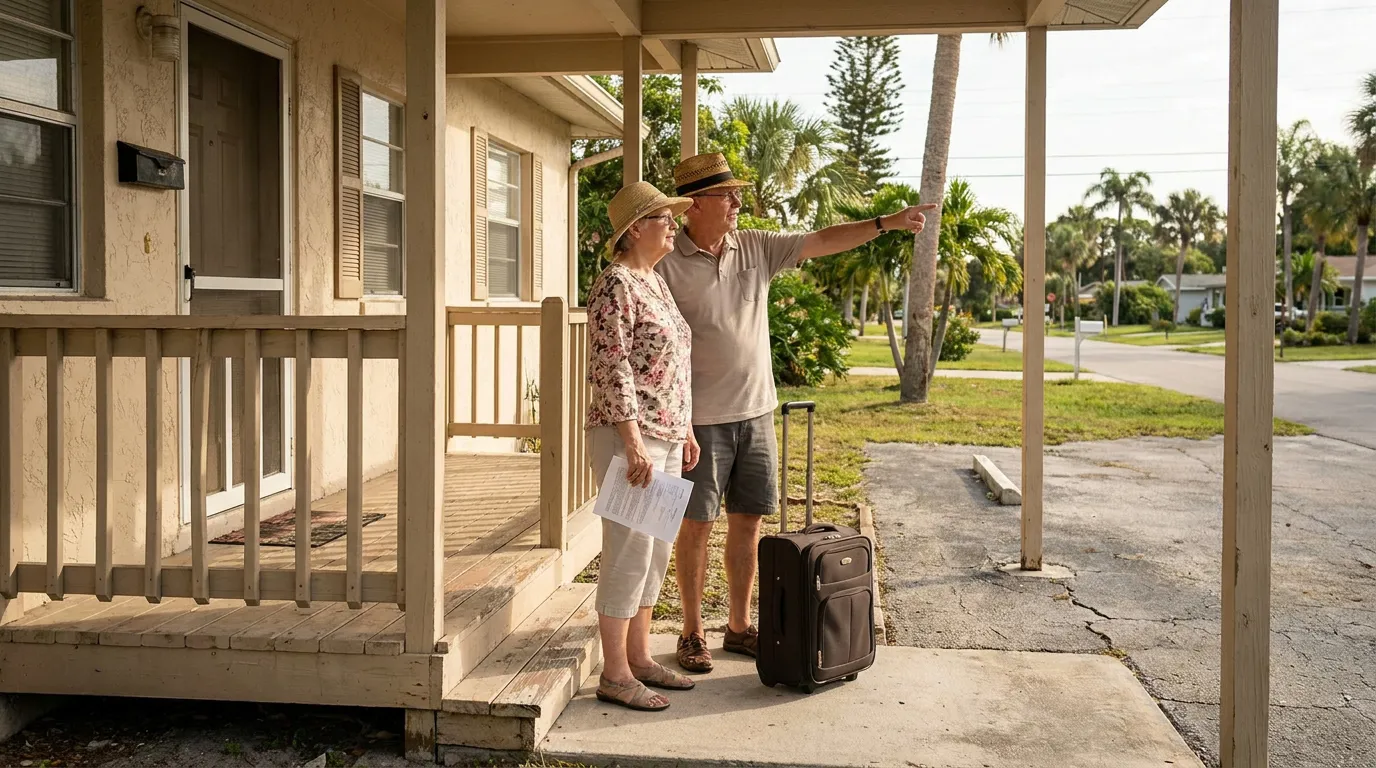
Losing a parent who split the year between a northern hometown and a sunny place on the Treasure Coast brings a particular complication. The estate is already open in Ohio, Michigan, or New York, and then someone asks: what happens to the condo in Stuart? The answer is often Florida ancillary probate, a separate proceeding opened in a Florida probate court to transfer or sell Florida property owned by a nonresident decedent. It exists because Florida courts, not out-of-state courts, control the disposition of real estate and assets physically located here.
If you are managing an out of state estate that includes Martin County or Palm Beach County property, seasoned legal guidance can make the process far less overwhelming. The Law Offices of Travis R. Walker, P.A. helps families across the Treasure Coast open and close ancillary administrations efficiently. Call 772-708-0952 or contact us now to discuss your situation.
What Triggers Florida Ancillary Probate for Snowbirds
Ancillary administration is triggered by the location of the assets, not the location of the family. Under Fla. Stat. § 734.102(1) (2025), ancillary letters may be issued if a nonresident of this state dies leaving assets in this state, credits due from residents in this state, or liens on property in this state.
Common Florida situs assets that may require ancillary administration include:
- A vacation home, condominium, or investment property titled in the decedent’s individual name
- Vacant land or a mobile home lot held in Martin, St. Lucie, Indian River, or Palm Beach County
- Debts owed to the decedent by Florida residents
- Liens or mortgages the decedent held against Florida real property
The key word is "individually titled." Property held in a properly funded revocable trust, owned jointly with rights of survivorship, or covered by an enhanced life estate deed generally passes outside probate. Even then, Florida’s homestead and creditor rules can affect the result, so both title and governing documents should be reviewed.
How the Florida Probate Code Governs a Nonresident Decedent’s Estate
Florida probate is governed by the Florida Probate Code, Chapters 731 through 735, and ancillary matters live in Chapter 734. The ancillary administration statutes set out who may serve, what the court requires, and how the Florida property is ultimately distributed.
The Will Travels, but the Court Does Not
Under Fla. Stat. § 734.102(3)-(4) (2025), an authenticated copy of the out-of-state will and any codicils may be admitted to probate in the ancillary proceeding, the ancillary personal representative is directed to give bond as personal representatives generally do, and proceedings are to be as similar to an original administration as possible.
Creditors Still Have Their Say
Fla. Stat. § 734.102(5) (2025) requires the ancillary representative to serve and publish a notice to creditors under Chapter 733 unless claims are already barred by Fla. Stat. § 733.710, and claims not timely filed may be barred under Fla. Stat. § 733.702. This creditor period frequently drives how long a seasonal resident estate stays open. Families often assume the home-state creditor period covers Florida claims; generally, it does not.
Who Actually Gets Appointed
Fla. Stat. § 734.102(1) (2025) sets out an order of preference. First is the personal representative named in the will to administer the Florida property, if qualified to act in Florida. If no one is designated, the foreign personal representative may serve if qualified, followed by an alternate or successor named in the will, and then a person selected by those entitled to a majority interest in the Florida property. Qualification matters, because Fla. Stat. § 733.304 limits when a nonresident individual may serve.
Florida Situs Assets and the Powers of an Ancillary Representative
Once appointed, the ancillary personal representative is not a figurehead. Fla. Stat. § 734.102(7) (2025) grants ancillary representatives the same rights, powers, and authority as other personal representatives in Florida, which may include the authority to manage and settle the estate and to sell, lease, or mortgage local property to raise funds for debts and devises. Some actions require court authorization or authority granted in the will, and homestead property is treated differently.
After administration expenses and timely claims are paid, Fla. Stat. § 734.102(6) (2025) permits the court to order the remaining Florida property transferred to the foreign personal representative or distributed directly to the beneficiaries. Which route makes more sense depends on how the home-state estate is structured and where the beneficiaries live.
💡 Pro Tip: Order a title search on the Florida property early. Old mortgages, unreleased liens, and prior deeds that were never recorded correctly surface more often than families expect, and resolving them mid-administration can add months.
The $50,000 Shortcut Many Families Overlook
Not every Florida property requires a full ancillary administration. Fla. Stat. § 734.1025(1) (2025) provides a streamlined path where a nonresident decedent dies testate leaving Florida property not exceeding $50,000 at date of death. Within two years of death, the foreign personal representative may file an authenticated transcript of the home-state proceedings showing the will and the beneficiaries.
Even under this simplified route, creditor protections remain. Fla. Stat. § 734.1025(2) (2025) allows notice to creditors to be served and published under Chapter 733, with claims potentially barred under Fla. Stat. § 733.702, and if any claim is filed, a personal representative is to be appointed as provided in the Florida Probate Rules.
| Situation | Likely Path | Governing Statute |
|---|---|---|
| Nonresident dies testate; Florida property $50,000 or less | Short-form transcript filing within 2 years | § 734.1025(1) |
| Nonresident dies owning Florida real estate above that value | Full ancillary administration with bond | § 734.102(3)-(4) |
| Foreign representative needs to file suit in Florida | Authenticated copies filed with the court | § 734.101(1) |
| Florida debtor holds funds owed to the estate | Payment permitted after 90 days, conditions apply | § 734.101(3)-(4) |
When Ancillary Administration May Not Be Necessary
Some Florida matters may be resolved without opening an ancillary proceeding. Under Fla. Stat. § 734.101(1)-(2) (2025), a foreign personal representative who produces authenticated copies of a probated will or letters may maintain actions in Florida courts and may likewise be sued here concerning Florida property. That authority is real but narrow, which is why formal ancillary administration is generally required to convey or sell Florida real estate.
Fla. Stat. § 734.101(3)-(4) (2025) permits Florida debtors and those holding estate personal property to pay or deliver to the foreign personal representative after 90 days from that representative’s appointment, provided they have received no written demand from a personal representative or curator appointed in Florida. If your family is wrestling with which state’s representative has authority, our discussion of out-of-state executor issues walks through the qualification rules in detail.
Working With a Stuart Firm That Knows Seasonal Resident Estates
Choosing local counsel for the Florida piece of an out of state estate is a practical decision, not a formality. Attorney Travis R. Walker serves on the Nineteenth Circuit Unlicensed Practice of Law Committee of The Florida Bar, with a term running through June 30, 2030, and is Peer Review Rated by Martindale-Hubbell, a rating system in which practicing lawyers and members of the judiciary evaluate legal ability and ethical standards. Our team works with home-state attorneys regularly and coordinates filings so the two administrations can move in step.
Whether you need a full ancillary administration or the short-form path, our florida ancillary probate for snowbirds lawyer team can evaluate the property, the will, and the home-state filings before you commit to a course of action.
💡 Pro Tip: Ask the home-state attorney for certified, authenticated copies of the will and letters early. Florida courts generally require authentication, and ordering them once for both proceedings can save a round trip through the clerk’s office.
Frequently Asked Questions
1. Does a Florida ancillary probate have to wait for the home-state probate to finish?
Generally, no. The Florida proceeding often runs parallel to the domiciliary administration, though the ancillary petition typically relies on authenticated documents from the home state, so some sequencing is usually unavoidable.
2. Can the out-of-state executor serve as the Florida ancillary personal representative?
Often, yes. Under Fla. Stat. § 734.102(1) (2025), the foreign personal representative may receive ancillary letters if qualified to act in Florida, subject to the statutory order of preference and the nonresident qualification restrictions in Fla. Stat. § 733.304.
3. What if the decedent’s Florida home was held in a revocable trust?
Property properly titled in a funded trust generally passes under the trust terms without ancillary administration, although trust assets can still be reachable for certain estate obligations. Whether the deed actually transferred title is a factual question worth confirming through title review.
4. Is bond always required in a Florida ancillary administration?
Fla. Stat. § 734.102(4) (2025) directs that the ancillary personal representative give bond as personal representatives generally do, and under Fla. Stat. § 733.402 the court retains discretion over the amount and may waive or modify the requirement in appropriate circumstances.
5. How long does ancillary probate typically take on the Treasure Coast?
Timelines vary considerably. The creditor notice period under Chapter 733, title issues, and whether a sale of the property is involved are usually the biggest variables.
Protecting the Florida Property Your Family Loves
Florida ancillary probate for snowbirds exists to give families a lawful, orderly way to transfer property that sits within this state’s jurisdiction. The statutory framework in Chapter 734 addresses everything from appointment preference to bond, creditor notice, and final distribution, with a potential shortcut available for smaller testate estates. Understanding which path fits your circumstances early tends to save both time and frustration.
Let the Law Offices of Travis R. Walker, P.A. handle the Florida side while you focus on your family. Call 772-708-0952 or reach out to our team online to schedule a consultation.
Disclaimer: This content is for informational purposes only and is not legal advice. Every case is unique, and results may vary. Consult an attorney about your specific circumstances.