


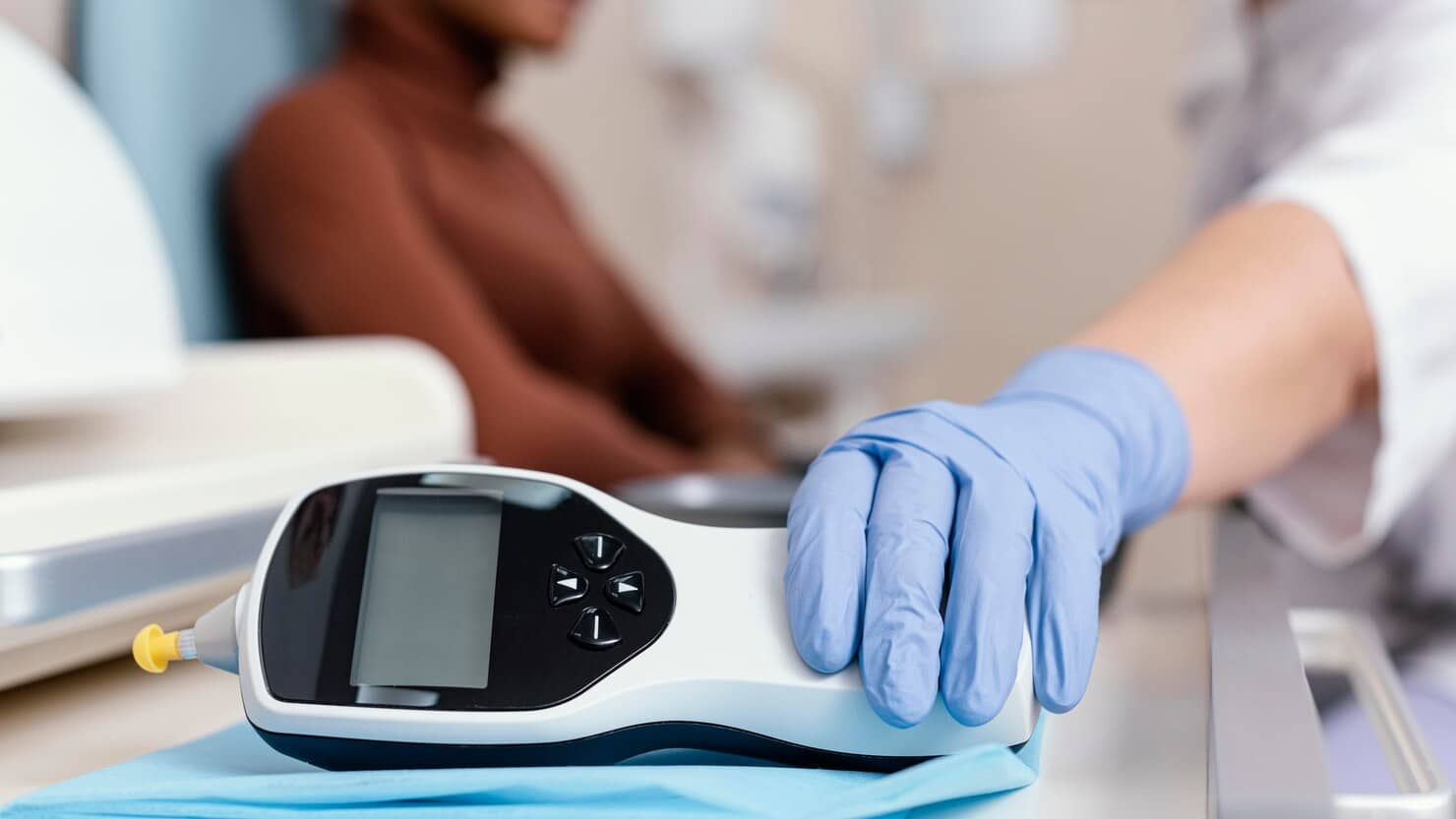
The defective medical device lawsuit rights cases involve claims brought by patients who were injured when a medical device failed, broke, or caused unexpected complications. These devices are used to treat health conditions, but when they do not work as intended, they can lead to serious harm such as infections, internal injury, revision surgery, or long-term disability.
Understanding the defective medical device lawsuit rights is important because patients may be legally entitled to compensation if a device was unsafe, improperly designed, or not properly warned about by the manufacturer. In many defective medical device lawsuit rights cases, the main issue is whether the company placed a defective product into the market and failed to protect patients from known risks.
This article explains what defective medical device claims are, what legal rights patients have, how lawsuits work step by step, what must be proven, and what compensation may be available.
What Is a Defective Medical Device?
A medical device is considered defective when it causes harm because it does not function safely or as expected.
In defective medical device lawsuit rights cases, defects are usually grouped into three main categories.
Design Defect
A design defect means the product was unsafe from the beginning. Even if manufactured correctly, the design itself creates a risk of injury. For example, an implant that fails too often due to structural weakness may be considered defectively designed.
Manufacturing Defect
A manufacturing defect happens when something goes wrong during production. This may affect only certain batches of devices, such as contamination or improper assembly.
Failure to Warn
Failure to warn means the manufacturer did not properly inform doctors or patients about known risks. In legal terms, a “warning” refers to safety information that must be clearly provided so medical professionals can make informed decisions.
Common Examples of Defective Medical Devices
The defective medical device lawsuit rights claims often involve devices that are implanted or used inside the body.
Common examples include:
- Hip and knee replacement implants
- Surgical mesh used for hernia repair
- Pacemakers and defibrillators
- Catheters and stents
- Breast implants
- Infusion pumps
Because these devices remain in the body or are used during critical procedures, any failure can lead to serious medical consequences.
Your Legal Rights as a Patient
In defective medical device lawsuit rights cases, patients have specific legal protections under product liability law.
Product liability means a manufacturer can be held responsible if its product is unsafe and causes injury when used as intended.
Patients may have the right to:
- Seek compensation for medical expenses
- Recover lost wages due to inability to work
- Claim damages for pain and suffering
- File a lawsuit against the manufacturer or distributor
These rights exist to ensure companies are held accountable when defective products harm patients.
When Can You File a Claim?
A defective medical device lawsuit rights claim may be possible when certain conditions are met.
Typically, a patient must show:
- A medical device was used or implanted
- The device failed or caused complications
- The failure led to injury or additional treatment
- There is evidence linking the device to the harm
For example, a patient who receives a knee implant and later requires revision surgery due to device failure may have grounds for a legal claim if medical records confirm the issue is device-related.
How the Lawsuit Process Works
The defective medical device lawsuit rights cases follow a structured legal process that usually includes several stages.
1. Case Evaluation
A lawyer reviews medical records, device details, and injury history to determine if a claim is valid.
2. Filing the Complaint
A legal complaint is filed against the manufacturer or responsible company, explaining the injury and legal claims.
3. Discovery Phase
Both sides exchange evidence, which may include:
- Internal company documents
- Clinical testing data
- Medical records
- Expert opinions
Discovery is a key phase because it reveals whether the manufacturer knew about potential risks.
4. Settlement Negotiation or Trial
Many cases settle before trial. If no agreement is reached, the case proceeds to court where a judge or jury decides the outcome.
What Must Be Proven in These Cases
To succeed in defective medical device lawsuit rights claims, the patient generally must prove four main elements:
- The device was defective
- The defect existed when it left the manufacturer
- The defect directly caused injury
- The patient suffered measurable damages
This is usually supported by medical experts who explain how the device failed and how it caused harm.
Types of Compensation Available
If a claim is successful, compensation in defective medical device lawsuit rights cases may include:
- Medical treatment costs
- Surgery or revision procedure expenses
- Lost income and reduced earning ability
- Pain and suffering
- Long-term disability or ongoing care costs
Each case is evaluated individually based on the severity of injury and financial impact.
How Mass Tort Cases Work
Most defective medical device lawsuit rights claims are handled as mass torts rather than class actions.
Mass Tort
Each patient has an individual case, but similar cases are grouped together for efficiency. Compensation depends on individual injuries.
Class Action
One lawsuit represents all plaintiffs, and compensation is shared equally. This is less common in medical device cases because injuries vary widely.
Mass torts allow courts to handle large numbers of cases while still treating each patient individually.
Challenges in Medical Device Lawsuits
The defective medical device lawsuit rights cases can be complex due to several challenges:
- Proving the device caused the injury and not another medical condition
- Dealing with complicated medical and scientific evidence
- Defendants arguing that risks were known or unavoidable
- Differences in patient health conditions
Manufacturers often defend cases by arguing that complications are part of normal surgical or medical risks.
Why These Cases Matter
The defective medical device lawsuit rights litigation is important because it:
- Holds manufacturers accountable for unsafe products
- Encourages better safety testing before approval
- Helps injured patients recover financial losses
- Improves transparency in medical device warnings
These cases also push companies to improve design and safety standards for future devices.
Conclusion
The defective medical device lawsuit rights cases give patients legal options when a medical device fails and causes harm. Courts examine whether the device was defective, whether proper warnings were given, and whether the defect directly caused injury.
Understanding the defective medical device lawsuit rights helps patients know their legal rights and how compensation may be available when a medical product does not perform safely.