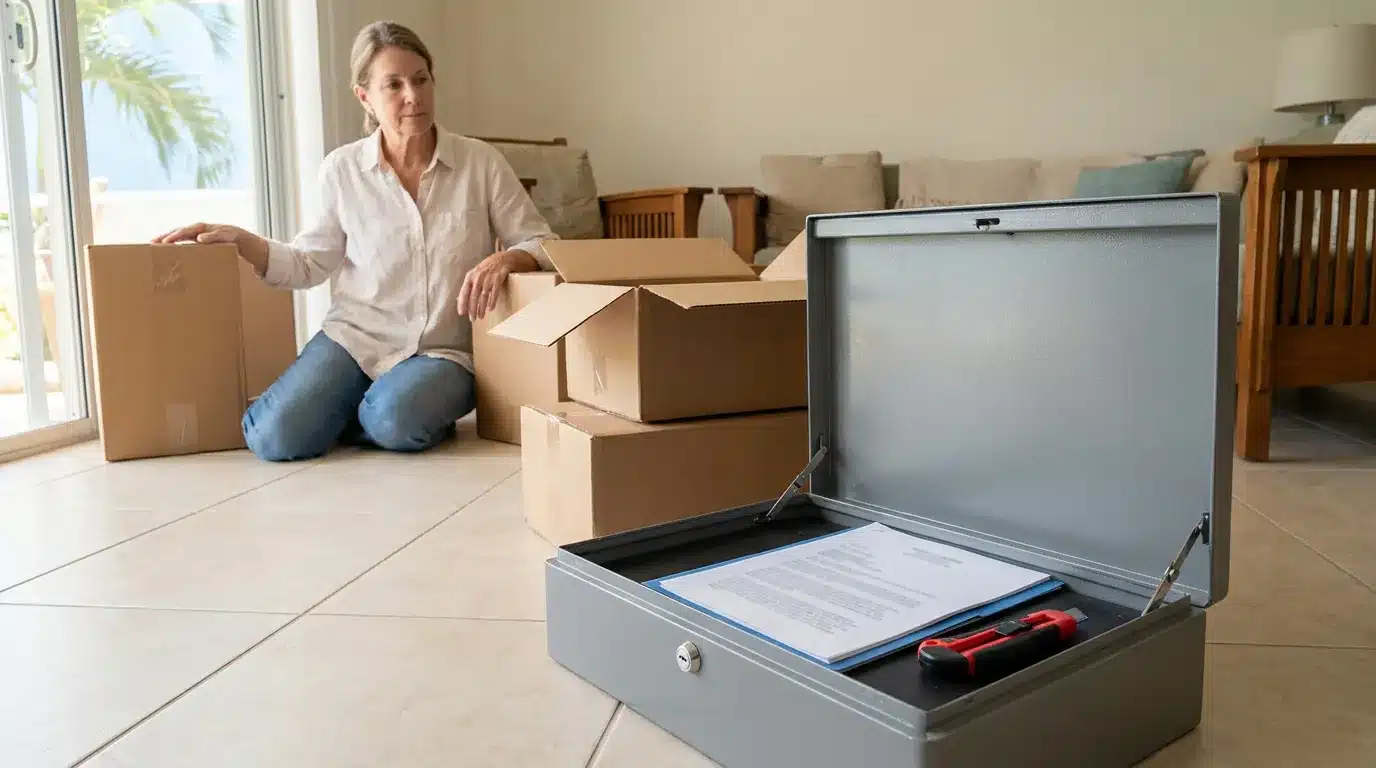



After a divorce or separation, life circumstances sometimes change in ways that make relocation necessary. A parent may receive a new job opportunity, want to move closer to family, remarry, or seek a better environment for the child. However, when children are involved, moving is not simply a personal decision.
Florida law places strict rules on relocating with children after divorce because a move can significantly affect the child’s relationship with the other parent. Understanding relocation children after divorce Florida laws is important because moving without proper approval can lead to serious legal consequences.
This guide explains when court approval is required, how the relocation process works, and what Florida courts consider when deciding whether to allow a move.
What Counts as Relocation Under Florida Law?
Florida has a specific legal definition of relocation.
Generally, relocation occurs when:
- A parent plans to move more than 50 miles away, and
- The move will last at least 60 consecutive days
Temporary absences for things like vacations, education, or medical treatment may not qualify as relocation under the statute.
The 50-mile distance is measured in a straight line, not driving distance.
Why Florida Requires Court Approval
When parents share timesharing or parental responsibility, relocation can directly affect:
- Parenting schedules
- School arrangements
- Emotional stability
- Parent-child relationships
Because of these impacts, Florida law requires either:
- Written agreement from the other parent, or
- Court approval
before a qualifying relocation can occur.
Cases involving relocation children after divorce Florida often become highly contested because both parents may strongly disagree about what is best for the child.
Can a Parent Move Without Permission?
No. A parent generally cannot legally relocate with a child more than 50 miles without following Florida’s legal process.
Moving without approval may lead to serious consequences, including:
- Court sanctions
- Forced return of the child
- Changes to custody or timesharing
- Contempt of court findings
Even if the move seems beneficial, proper legal procedures must still be followed.
How Parents Can Agree to Relocation
If both parents agree to the move, the process is usually simpler.
Written Agreement Requirements
The agreement should include:
- Consent to the relocation
- New address information
- Updated timesharing arrangements
- Transportation details
The signed agreement is then submitted to the court for approval.
Once approved by the judge, the relocation may proceed legally.
What Happens if the Other Parent Objects?
If the other parent does not agree, the relocating parent must file a formal petition with the court.
This begins a relocation case.
The petition generally must include:
- The proposed new address
- Reason for relocation
- Proposed revised parenting plan
- Transportation arrangements
- Proposed communication methods
The other parent then has an opportunity to object.
What the Court Considers in Relocation Cases
Florida courts focus on the child’s best interests when deciding relocation children after divorce Florida cases.
The judge reviews multiple factors rather than relying on one issue alone.
Key Factors Courts Examine
The Child’s Relationship With Each Parent
The court evaluates:
- Emotional bonds
- Current involvement
- Parenting history
- Stability of relationships
The Reason for the Move
The judge may examine whether the relocation is motivated by:
- Employment opportunities
- Educational benefits
- Family support systems
- Better living conditions
Courts may look unfavorably on moves intended primarily to interfere with the other parent’s relationship.
Impact on the Child’s Quality of Life
The court may consider whether the move improves:
- Education
- Housing
- Financial stability
- Emotional well-being
Ability to Maintain Parent-Child Relationships
Judges evaluate whether meaningful contact with the non-relocating parent can continue after the move.
This may involve reviewing:
- Travel distance
- Transportation costs
- Communication options
- Holiday schedules
The Child’s Preference
In some cases, the child’s wishes may be considered if the child is mature enough to express a reasoned preference.
However, the child does not make the final decision.
How Relocation Affects Timesharing
Relocation almost always requires changes to the parenting schedule.
Possible adjustments may include:
- Longer school-break visits
- Extended summer timesharing
- Holiday modifications
- Virtual communication arrangements
The court attempts to preserve meaningful relationships with both parents whenever possible.
Emergency or Temporary Relocation Requests
In some situations, a parent may request temporary relocation before the final hearing.
This may happen when:
- A job opportunity requires immediate action
- Safety concerns exist
- Housing emergencies arise
The court may issue temporary orders while the case is pending.
How Relocation Cases Become Contested
Cases involving relocation children after divorce Florida disputes can become emotionally intense.
Common disagreements include:
- Whether the move truly benefits the child
- Allegations of parental interference
- Financial concerns
- School and stability issues
- Distance from extended family
Because relocation can reshape family dynamics permanently, courts examine these cases carefully.
How Schools and Community Ties Affect the Case
Judges often evaluate the child’s current environment, including:
- School performance
- Friendships
- Extracurricular activities
- Community involvement
Courts may hesitate to disrupt a stable environment unless the move clearly benefits the child overall.
Long-Distance Parenting Challenges
Relocation cases often involve practical challenges related to maintaining parent-child relationships.
Issues may include:
- Travel expenses
- Flight arrangements
- Communication schedules
- Missed school activities
- Reduced day-to-day interaction
Courts attempt to create realistic parenting plans that minimize disruption where possible.
Can a Parent Relocate for a Better Job?
Employment opportunities are one of the most common reasons parents request relocation.
The court may consider:
- Salary increases
- Career advancement
- Financial stability improvements
- Availability of similar opportunities locally
However, a better job alone does not automatically guarantee approval.
The court still focuses primarily on the child’s best interests.
What Happens if a Parent Violates a Relocation Order?
Violating relocation rules can seriously affect future custody and parenting decisions.
Possible consequences include:
- Modification of timesharing
- Contempt proceedings
- Financial penalties
- Court-ordered return of the child
Florida courts expect parents to strictly follow relocation procedures.
Can Relocation Orders Be Modified Later?
Yes. Parenting plans and relocation-related orders may later be modified if circumstances substantially change.
Examples may include:
- Another proposed move
- Significant parenting schedule changes
- Child safety concerns
- Changes in employment or finances
However, courts generally require proof that modification serves the child’s best interests.
How Mediation Helps in Relocation Cases
Florida courts often encourage mediation before trial.
Mediation may help parents negotiate:
- Travel arrangements
- Holiday schedules
- Transportation expenses
- Communication plans
Settlements may provide more flexibility than court-imposed orders.
What Evidence Helps in Relocation Cases?
Important evidence may include:
- Job offer letters
- School information
- Housing details
- Financial records
- Parenting history documentation
- Witness testimony
Detailed preparation is often important in contested relocation proceedings.
Why Legal Guidance Can Be Important
Cases involving relocation children after divorce Florida laws are highly fact-specific and emotionally sensitive.
An attorney may help parents:
- File relocation petitions
- Respond to objections
- Prepare parenting plans
- Gather evidence
- Present arguments in court
Legal guidance can also help parents avoid procedural mistakes that may affect custody rights.
Conclusion
Relocating with children after divorce in Florida involves strict legal requirements designed to protect the child’s relationship with both parents. Any move exceeding 50 miles for more than 60 days generally requires either parental agreement or court approval.
Understanding relocation children after divorce Florida laws can help parents navigate the legal process properly and prepare for the factors courts consider when evaluating relocation requests. Because relocation decisions can significantly affect family relationships and parenting rights, careful planning and legal guidance are often important throughout the process.