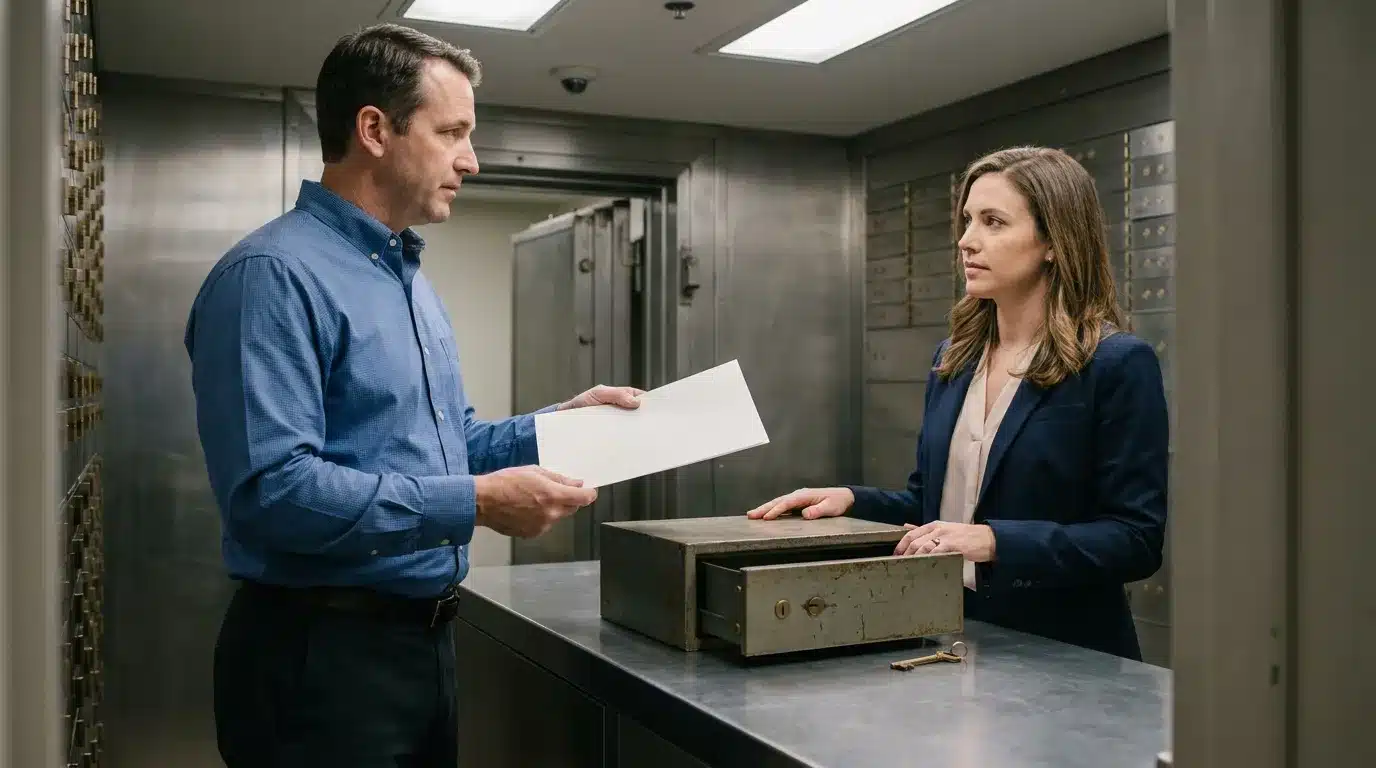



Every year, millions of dollars sit unclaimed in Florida’s courthouse registries. Some of it may belong to you—or someone you love. But the clock is ticking.
Imagine losing your home or investment property to a tax deed sale—a forced auction triggered by unpaid property taxes. That experience alone is devastating. But here is something most people never find out until it is too late: when that property sold at auction for more than what was owed in taxes, fees, and costs, the difference belongs to you. Not to the county. Not to the buyer. To you.
That money is called a tax deed surplus, and in Florida it is far more common than most people realize. Every year, properties across the state sell at tax deed auctions for tens of thousands—sometimes hundreds of thousands—of dollars above the amount needed to satisfy the tax debt. That excess sits in the court registry, waiting. And if no one claims it within the legal window, it is eventually forfeited to the county government forever.
If you have ever lost a Florida property to a tax deed sale—or if you have a family member who did—understanding how surplus funds work and how to claim them could be one of the most financially significant conversations you ever have.
What Is a Tax Deed Sale in Florida?
When a Florida property owner fails to pay their property taxes, the county tax collector sells a tax certificate to investors as a mechanism for recovering the unpaid taxes. If the taxes remain unpaid and the certificate is not redeemed within a certain period, the certificate holder can apply for a tax deed—essentially initiating a court-supervised auction process that can result in the forced sale of the property.
The tax deed sale is a public auction conducted by the county clerk. The opening bid is set at the amount needed to cover the outstanding taxes, interest, fees, and costs of the sale. From that floor, competitive bidding can drive the final sale price significantly higher—particularly in Florida’s strong real estate market, where properties in desirable locations regularly attract aggressive auction bidding.
Once the property is sold, the proceeds are distributed in a specific order of priority established by Florida law. After the tax certificate holder, the county, and certain lienholders are paid, anything remaining is the surplus—and it belongs to the former owner of the property and any other parties with a legal interest in the excess funds.
How Surplus Funds Are Generated
To understand why surplus funds exist, consider a straightforward example. A property owner owes $8,000 in delinquent property taxes, interest, and associated costs. The tax deed auction is held and investors, recognizing the property’s market value, compete aggressively. The final winning bid is $95,000. After the tax certificate holder and county costs are paid—totaling $8,000—there is $87,000 left over. That $87,000 is the surplus.
That money does not automatically go back to the former owner. It is deposited into the registry of the circuit court in the county where the property was located. The former owner must actively claim it, following Florida’s specific legal procedures, within the applicable timeframe.
In Florida’s competitive real estate market—where even modest properties can carry significant market value—surpluses of this kind are not exceptional. They are routine. And yet the majority of former property owners never claim the money they are owed, either because they do not know the surplus exists or because they do not understand the legal process for recovering it.
Who Has the Right to Claim Tax Deed Surplus Funds in Florida?
Florida law establishes a priority order for who may claim surplus funds after a tax deed sale. The former property owner holds the primary right to claim the surplus—but they are not the only party who may have a legal interest. Other parties with potential claims include:
- Mortgage lenders holding a lien on the property at the time of the tax deed sale
- Judgment creditors whose judgments were recorded against the property or the owner
- HOA or condo associations with recorded liens
- Junior lienholders of various types
- Heirs or estate representatives if the former owner has passed away
The existence of other claimants is one of the most important reasons to act quickly and with proper legal guidance. When multiple parties assert competing claims to surplus funds, the court must resolve those competing interests. A former owner who waits too long—or who navigates the process without an attorney—may find that their claim is successfully challenged by a lienholder, or that they receive significantly less than the full surplus they were entitled to.
Florida’s Legal Timeline: Why Acting Quickly Matters Enormously
Florida law provides a one-year window from the date the tax deed is recorded for parties with claims to the surplus to come forward and assert those claims. After that one-year period, unclaimed surplus funds escheat to the Board of County Commissioners—meaning the county government keeps the money.
One year sounds like a comfortable timeframe. In practice, many former property owners do not learn that a surplus exists until months after the sale—if they learn at all. They may have moved, may not have been monitoring their former property’s status, or may have assumed—incorrectly—that losing the property to a tax deed sale meant losing everything. By the time they discover the surplus, a significant portion of the one-year window may already have elapsed.
This is why prompt legal consultation is not just advisable—it is urgent. An attorney familiar with Florida’s tax deed surplus process can quickly identify whether a surplus exists, what the current balance is, who else may have a competing claim, and how much time remains to file.
How to Determine If a Surplus Exists
If you or a family member lost a Florida property to a tax deed sale, here are the steps to determine whether surplus funds are available:
- Identify the county where the property was located. Tax deed surplus funds are held in the registry of the circuit court in the county where the property is located. Each county maintains its own records.
- Search the county clerk’s records. Florida county clerks are required to maintain records of tax deed sales, including the sale amount and any surplus deposited into the court registry. Many Florida counties make these records searchable online through the clerk’s official website.
- Review the tax deed file. The complete tax deed file, available through the county clerk, will show the final sale price, the amounts distributed to satisfy the tax certificate and associated costs, and the surplus amount held in the registry.
- Consult a Florida attorney promptly. Once a surplus is identified, the clock is already running. An attorney can evaluate competing claims, prepare the necessary legal filings, and represent your interests in court if the claim is contested.
The Legal Process for Claiming Surplus Funds in Florida
Claiming tax deed surplus funds in Florida is a court-supervised legal process governed by Florida Statute §197.582. It is not as simple as submitting a form or making a phone call. The process typically involves:
Filing a Motion or Petition with the Court
The claimant—or their attorney—must file a legal pleading with the circuit court asserting their right to the surplus funds. This filing must demonstrate the claimant’s legal entitlement and is served on all other parties who may have a competing interest.
Title Search and Lien Research
Before or concurrent with filing, a thorough title search is conducted to identify all parties with a recorded interest in the property at the time of the tax deed sale. This step is critical—overlooking a lienholder can result in their claim taking priority over yours, reducing or eliminating your recovery.
Court Hearing
If the claim is uncontested, the court may approve the distribution without a full hearing. If competing claims exist—which is common when mortgage lenders or judgment creditors are involved—the court will hold a hearing to determine the proper priority and distribution of the surplus.
Distribution Order
Once the court approves the distribution, the clerk releases the funds according to the court’s order. At this point, the money is finally in the hands of those entitled to it—but only those who came forward, filed properly, and advocated for their claim.
What Former Property Owners Often Do Not Know
Beyond the basic mechanics of the surplus claim process, there are several things that frequently surprise former property owners when they learn about tax deed surplus funds:
- The surplus may still be available even years after the sale, as long as the one-year window has not closed
- The former owner’s right to surplus survives even if they had a mortgage—the lender’s claim is resolved first, but any remaining balance belongs to the owner
- Surplus funds from properties owned by deceased individuals can often be claimed by their heirs or estate, though this requires additional legal steps
- Some third-party companies actively search for tax deed surplus funds and contact former owners offering to help claim the funds—in exchange for a percentage that can be extremely high. Understanding your legal rights before engaging with these companies is important
- An attorney working on a contingency or flat-fee basis is almost always a more cost-effective option than these surplus-recovery companies
A Word About Surplus Recovery Companies
If a surplus exists on a property you formerly owned, there is a reasonable chance you have already been contacted by a surplus recovery company. These businesses search public records, identify surplus funds, and reach out to former property owners offering to recover the money in exchange for a percentage of the recovery—sometimes 30%, 40%, or even 50% of the total surplus amount.
While these companies are not illegal, the fees they charge are often dramatically higher than what a Florida attorney would charge for the same service. Before signing any agreement with a surplus recovery company, consult a Florida attorney who handles tax deed surplus claims. In many cases, you can retain qualified legal representation for significantly less than what these companies charge—and receive the benefit of someone who is legally accountable to you and who can represent your interests in court if the claim is contested.
The Bottom Line: Money That Is Legally Yours Should Not Go to the Government by Default
Tax deed surplus funds represent one of the most overlooked areas of Florida property law. The money exists. It is sitting in a courthouse registry right now. Florida law says it belongs to the former owner—but the law also says that if no one claims it within a year, the county keeps it.
If you lost a Florida property to a tax deed sale—whether recently or within the past year—the single most important step you can take is to find out whether a surplus exists and consult an attorney about your rights. The process requires legal knowledge and timely action, but the financial outcome can be life-changing.
You already lost the property. You should not also lose the money.
For experienced Florida legal guidance on tax deed surplus claims, visit traviswalkerlaw.com.