


Facing HOA fine disputes in Florida can stress any homeowner, especially when penalties target your home unfairly. Many people move to planned communities in Port St. Lucie, Florida, for the amenities and maintained aesthetics. However, this dream can turn into a nightmare when a Homeowners Association (HOA) board starts issuing unreasonable fines or enforces rules selectively. If you feel targeted by heavy-handed enforcement, remember that the HOA does not have unlimited power. Florida law provides specific protections and avenues for homeowners to fight back. Understanding the rules for HOA fine disputes will help you protect your property and your peace of mind.
Florida Statute Chapter 720 primarily governs your rights. It dictates the strict procedures an HOA must follow before levying a fine or suspension. When an HOA violates these procedures, homeowners gain their most effective defense against HOA fine disputes.
The Homeowner’s Right to a Fining Committee Hearing
The most critical protection against arbitrary fining in any HOA fine dispute is the homeowner’s right to a formal hearing before an impartial panel. Under Florida law, an HOA board cannot simply issue a fine and demand payment. The law requires these mandatory steps:
- Written Notice: You must receive at least 14 days’ written notice of the alleged violation. This notice must describe the violation, explain how to fix it, and provide the hearing’s date and location.
- Cure Period: You can avoid the fine or suspension entirely if you correct or “cure” the violation before the hearing.
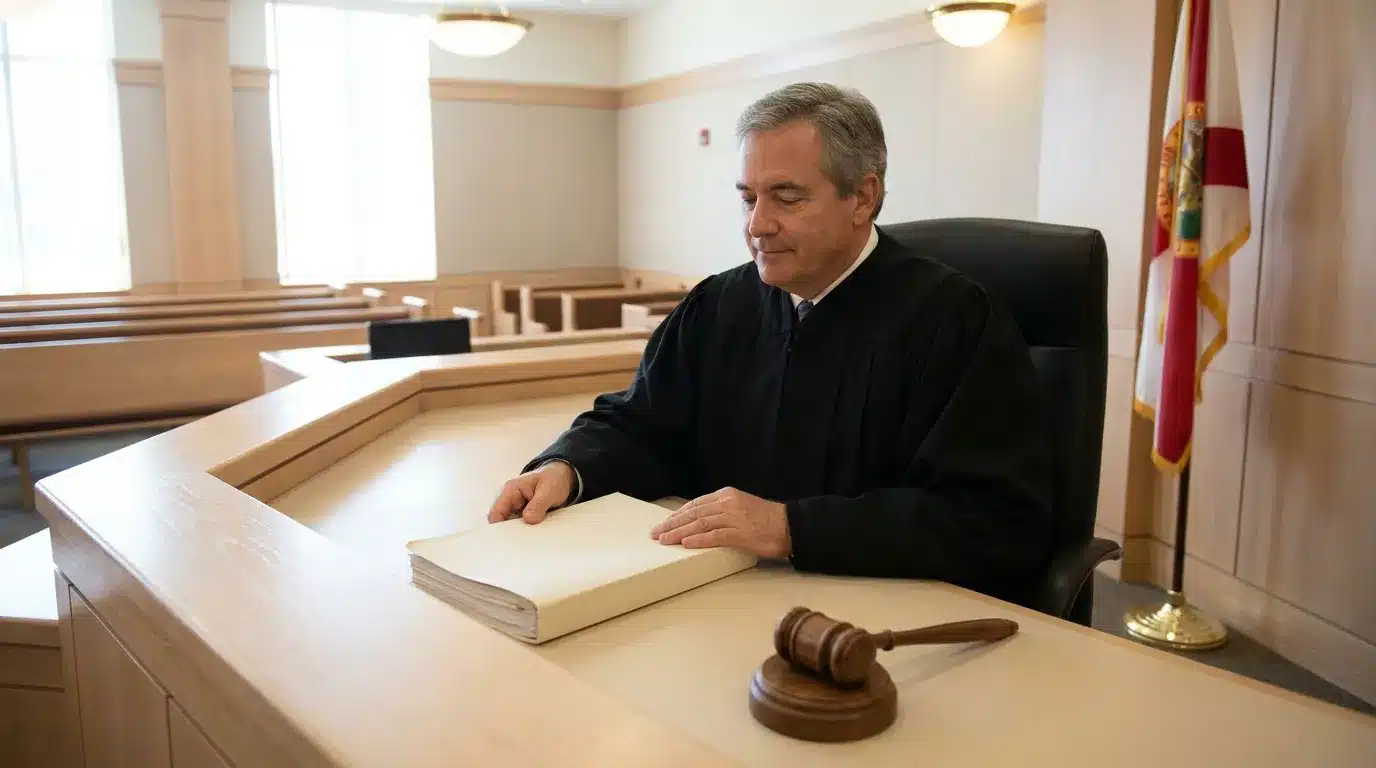
- Impartial Hearing: A committee of at least three members must hold a hearing. These members cannot be board members, board employees, or close relatives. This committee acts as a neutral jury, and they must approve the fine by a majority vote before the HOA can impose it.
If the committee approves a fine, the due date must fall at least 30 days after the HOA sends you the written notice. If the HOA fails to follow any of these procedural rules under Florida Statute 720.305, the fine may become legally invalid. Such mistakes give you strong leverage in your HOA fine dispute.
Defending Against Selective Enforcement, Procedural Errors and HOA Fine Disputes in Florida.
Beyond the right to a hearing, homeowners can often challenge fines using two strong legal defenses: selective enforcement and procedural errors. Both defenses are central to resolving HOA fine disputes favorably.
Selective Enforcement occurs when the HOA enforces a rule against one homeowner but ignores the same violation by others. For example, imagine your neighbor’s boat sits in their driveway for six months without penalty. Meanwhile, the HOA fines you immediately for parking yours for a single day. In this case, you may have grounds to argue that the HOA enforced the rule arbitrarily. Rules must apply uniformly to everyone. Proving this inconsistency can dismantle the HOA’s case in your HOA fine dispute.
Procedural Errors happen when the association fails to follow the statutory requirements. Common errors include failing to provide 14 days’ notice, holding a hearing without an impartial committee, or exceeding the statutory fine limit of $100 per violation (or $1,000 in aggregate). Spotting these errors can immediately put you on the winning side of an HOA fine dispute.
When facing an HOA fine dispute, start by reviewing the association’s governing documents and state law requirements carefully. Florida Statutes encourage homeowners to seek pre-suit mediation or arbitration before proceeding to litigation. Consulting an attorney experienced in community association law can help you navigate this process and assert your rights effectively.
You can review the full text of the law governing Homeowners’ Associations on the state website: Florida Statutes, Chapter 720, Homeowners’ Associations.
To learn more about your rights and legal options in an HOA dispute, visit our Community Association Law page or our Dispute Resolution Services.
Learn More about Travis R. Walker and about our services related to Real Estate Law in Florida.
Feel free to contact us if you have any additional questions.