


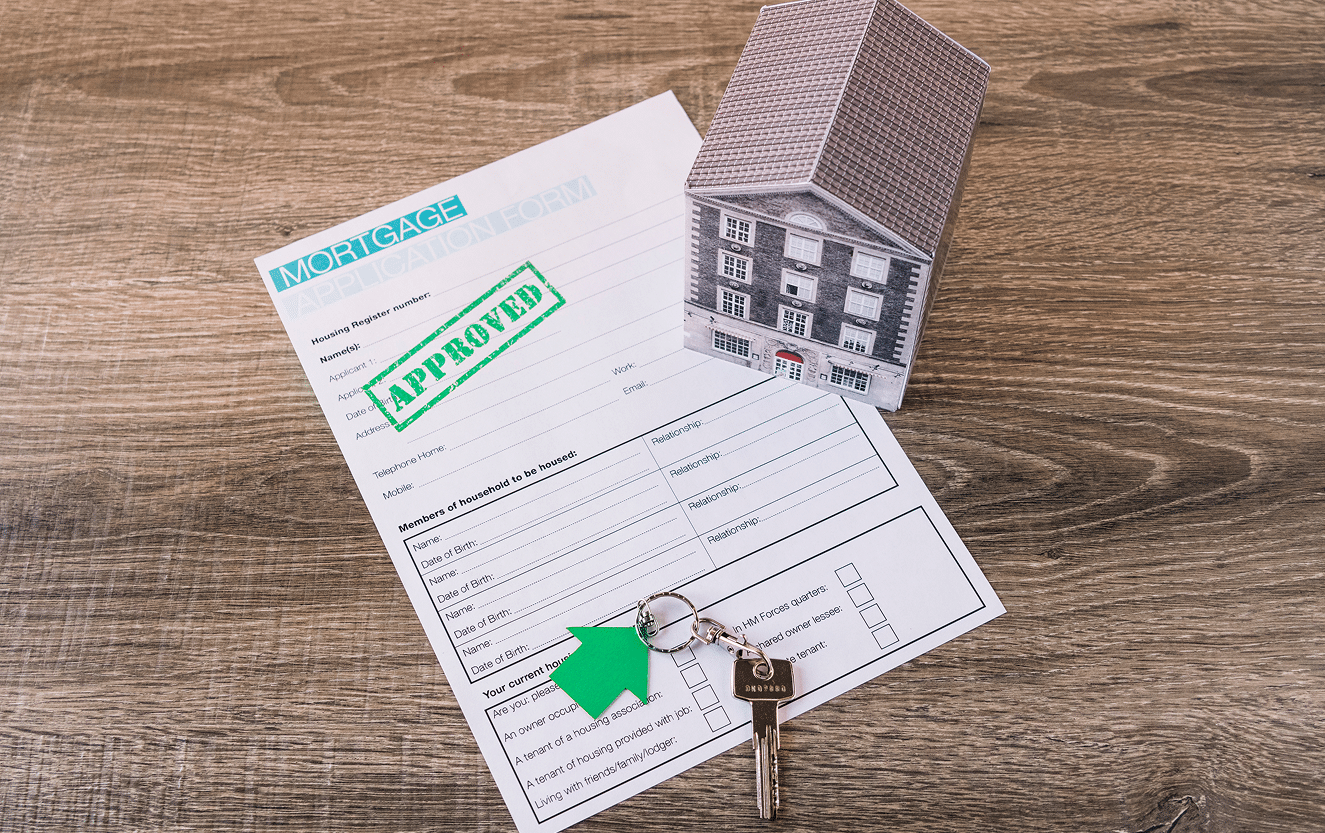
Deed fraud, where a property deed is forged or fraudulently executed to transfer ownership without the owners consent, is a serious matter in Florida
Deed fraud in Florida is a serious crime where criminals forge a property owner’s signature on a deed, fraudulently transferring ownership to themselves. The primary goal of this scam is to either steal the equity from your home through a fake mortgage or sell the property out from under you. This act creates a significant “cloud” on your property title, jeopardizing your most valuable asset.
Thankfully, Florida law offers strong protections for homeowners. A forged deed is considered “void ab initio,” meaning it is legally dead on arrival and never actually transfers ownership. However, because the fraudulent document sits in the public record, you must take specific legal steps to clear your name and reclaim your title.
Step-by-Step Remedies for Victims of Deed Fraud
If you suspect you are a victim, immediate action is crucial. Here is a breakdown of the key steps and legal remedies available in Florida.
1. Immediate Actions to Take
- Report the Crime: File a police report immediately. Deed forgery is a criminal offense under Florida Statute § 817.535.
- Contact the Clerk of Court: Notify the County Clerk’s office where the fraud was recorded. While they cannot remove the document without a court order, they can flag your account and guide you on local procedures.
- Consult a Florida Real Estate Attorney: Deed fraud is a complex legal issue. An experienced attorney is essential to navigate the court system and restore your ownership.
- Sign Up for Property Fraud Alerts: Many Florida counties offer a free service that notifies you within 24 hours if a document is recorded under your name. This is your first line of defense. Check with your local Clerk of Court’s website to enroll.
2. Civil Legal Remedies to Clear Your Title
The main legal remedy to restore your title is a civil lawsuit. Your attorney will likely recommend the following:
A. Quiet Title Action
- Purpose: A Complaint to Quiet Title is a lawsuit filed in Circuit Court asking a judge to declare the forged deed invalid. This is the definitive way to remove the “cloud” from your title and affirm your legal ownership.
- Statutory Basis: This action is based on Florida Statute § 65.091. Recent legislation has reinforced the right of property owners to quickly commence a quiet title action after a fraudulent conveyance.
- Outcome: A final judgment will direct the Clerk of Court to legally remove or mark the fraudulent deed as invalid in the Official Records.
B. Lis Pendens
- Purpose: Your attorney will file a Lis Pendens (Latin for “suit pending”) in the county’s Official Records.
- Effect: This notice alerts the public and potential buyers that a lawsuit is underway involving the property. It is critical for preventing the fraudster from selling or mortgaging the property to an unsuspecting third party during your legal proceedings.
Key Protections for the Original Owner
A fundamental principle in Florida real estate law protects you:
- No Transfer of Title: Because the forged deed is void, it never conveys any legal interest away from you, the true owner.
- Innocent Purchasers: The deed remains void even if the property is sold to an “innocent purchaser.” The scammer had no legal title to sell, so the buyer acquires no legal rights to your property.
- Statute of Limitations: Generally, there is no statute of limitations to challenge a forged deed, as it is void from the beginning.
Don’t Let Deed Fraud Disrupt Your Life
Discovering deed fraud in Florida can be alarming, but you are not without recourse. By understanding your rights and acting swiftly, you can restore your ownership and protect your property.
Need more information on protecting your assets? Learn about Title Insurance and How It Protects Homebuyers or read our guide on Understanding Property Liens in Florida.
For further reading, the Florida Clerk of Courts offers valuable resources on this topic. You can also review the specific statutes mentioned here on the Online Sunshine.
If you have any additional questions, please contact Florida Real Estate Attorney Travis R. Walker or email our support team.