When Probate Paperwork Starts Feeling Urgent
Key Takeaways: In Florida, a personal representative generally has 60 days after the court issues letters of administration to file a verified estate inventory under Florida Probate Rule 5.340 and Fla. Stat. § 733.604. The clock generally starts when letters are issued, not on the date of death, and the inventory must list probate assets with reasonable detail and their estimated fair market values as of the date of death. A much shorter 10-day deadline generally applies to a safe-deposit box inventory once the box is opened. If new assets or errors are discovered later, Florida law generally requires a verified amended or supplementary inventory. Inventories filed with the clerk are generally confidential, and beneficiaries may have the right to request a written explanation of how values were determined.
In Florida, a personal representative generally has 60 days after the court issues letters of administration to file the estate inventory. That timeline comes from Florida Probate Rule 5.340, and it works alongside the duty to file a verified inventory under Fla. Stat. § 733.604. If you are grieving a loved one in Stuart or elsewhere on the Treasure Coast, this deadline can arrive faster than you expect. A shorter deadline applies to a safe-deposit box: if the decedent had one and it is opened, its inventory is generally due within 10 days.
You do not have to handle this deadline alone. The Law Offices of Travis R. Walker, P.A. helps personal representatives in Martin County, Palm Beach County, and across the Treasure Coast stay organized and on schedule. Call 772-708-0952 or schedule a consultation with our team to talk about your estate’s next steps.
Understanding the Florida Probate Inventory Deadline
The Florida probate inventory deadline generally starts on the day letters of administration are issued, not on the date of death. Letters of administration are the court document that gives the personal representative legal authority to act for the estate. Once the court issues them, the 60-day period under Florida Probate Rule 5.340 generally begins. Many families assume the clock starts at the funeral or first attorney meeting, which can cost valuable time.
The Florida Probate Code sets out the personal representative’s core duties. The rules on administering an estate, including the inventory requirement, appear in Florida Statutes Chapter 733. Under Fla. Stat. § 733.604(1)(a), a personal representative generally must file a verified inventory of estate property, listing it with reasonable detail and giving each item’s estimated fair market value as of the date of death. The personal representative must also serve a copy on the surviving spouse, each heir at law in an intestate estate, each residuary beneficiary in a testate estate, and any other interested person who asks in writing.
Why the 60-Day Inventory Deadline Matters
The 60-day inventory deadline is about more than paperwork. It gives the court, the beneficiaries, and the personal representative a shared starting point. A personal representative is a fiduciary, with a legal duty to manage estate property carefully and in the best interests of beneficiaries and creditors. Filing an accurate inventory on time is one of the clearest ways to carry out that duty.
What "Verified" Means in Practice
A verified inventory is signed under penalty of perjury. By signing it, the personal representative swears that the contents are true to the best of their knowledge and belief. Guessing at values or leaving out uncertain assets can create problems later. It is often better to research carefully, note any uncertainty, and amend the inventory when new information comes in.
What a Probate Inventory Must Include
A probate inventory should give a clear, detailed picture of the property that passes through the estate. Fla. Stat. § 733.604(1)(a) requires "reasonable detail" and an estimated fair market value for each item as of the date of death. Treasure Coast estates often include:
- Florida real estate, such as a primary residence in Stuart or a seasonal condo
- Bank, brokerage, and certificate of deposit accounts held in the decedent’s name alone
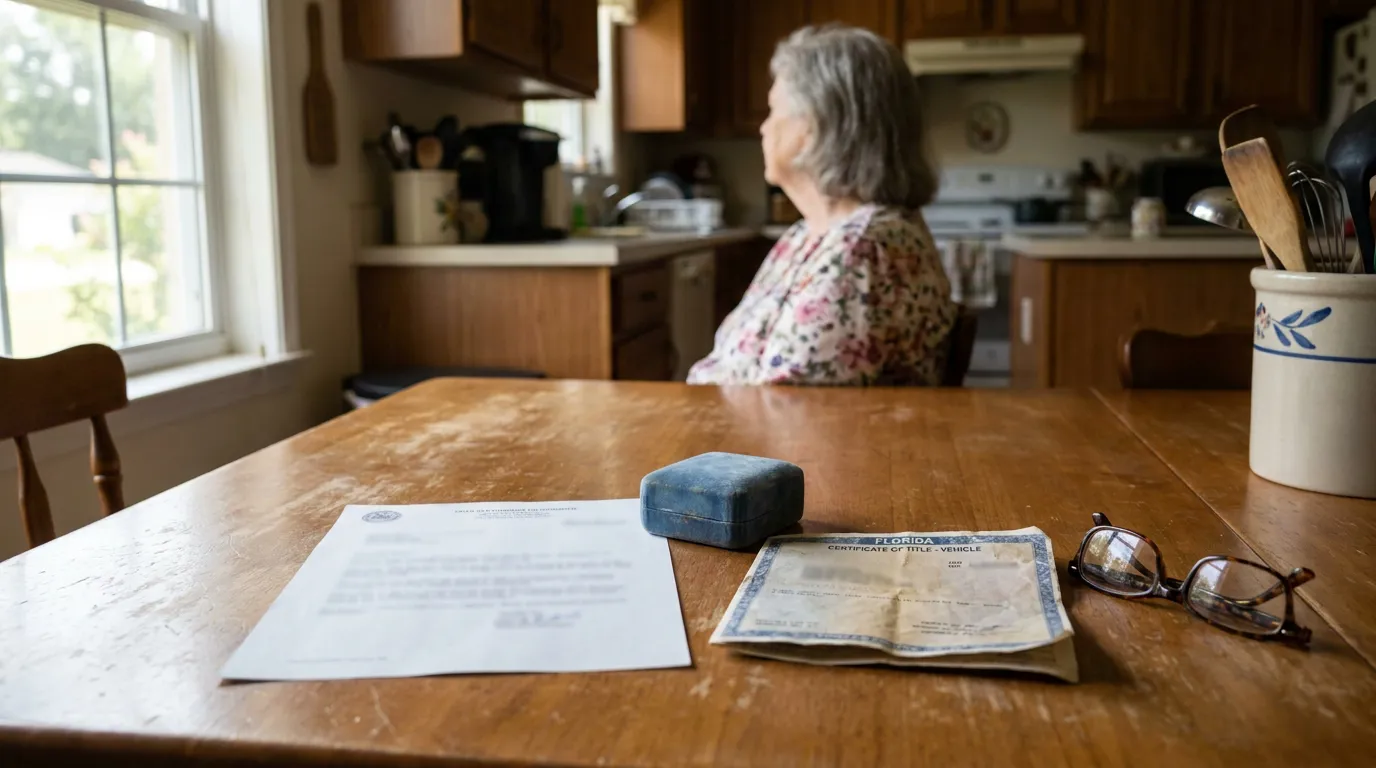
- Vehicles, boats, and other titled personal property
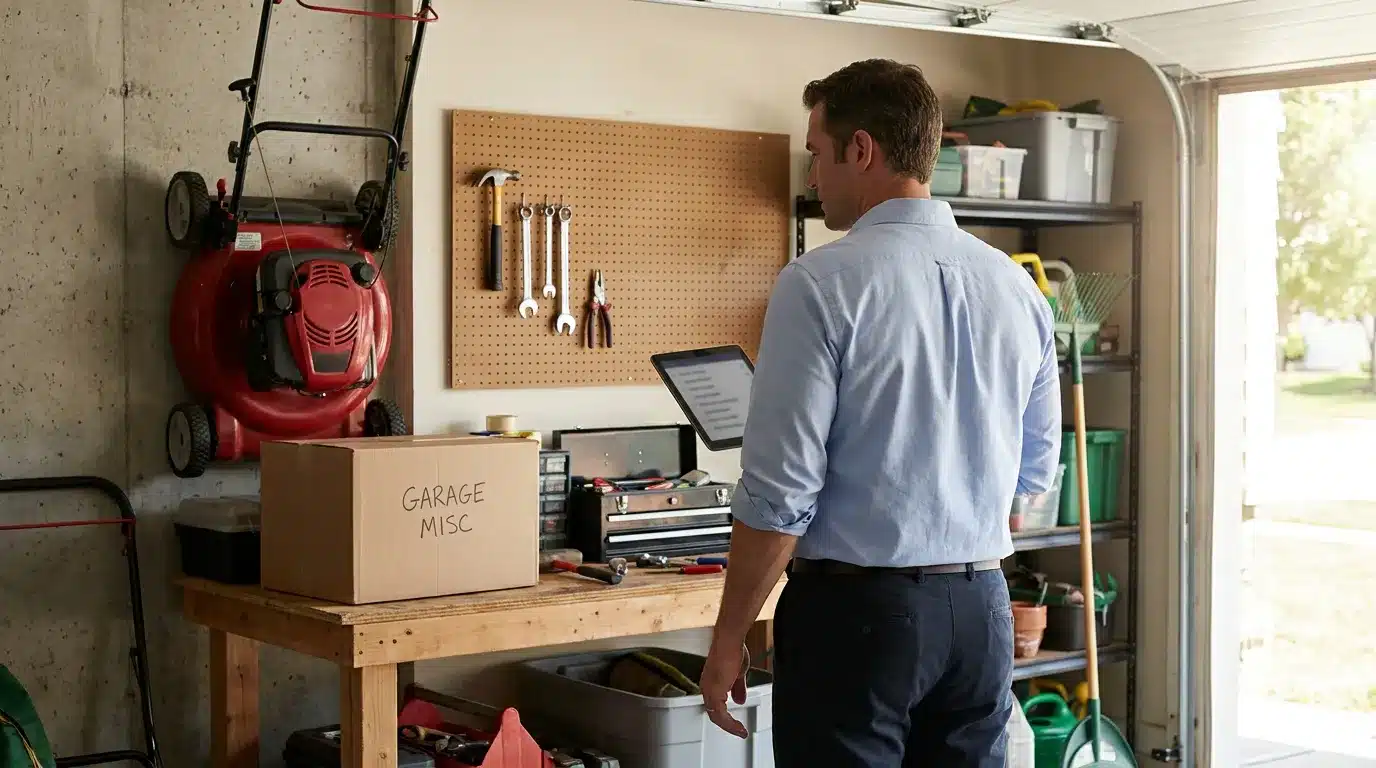
- Jewelry, art, collectibles, and household furnishings
- Business interests, promissory notes, and money owed to the decedent
Some assets may not belong on the probate inventory at all. Accounts with named beneficiaries, jointly owned property with survivorship rights, and assets held in a properly funded trust generally pass outside probate. Florida homestead property may also be treated differently. An attorney can help you sort out how each asset was titled.
💡 Pro Tip: Begin collecting date-of-death account statements as soon as you are appointed. Financial institutions can take weeks to respond, and those statements are often the starting point for your valuations.
The 10-Day Safe-Deposit Box Rule
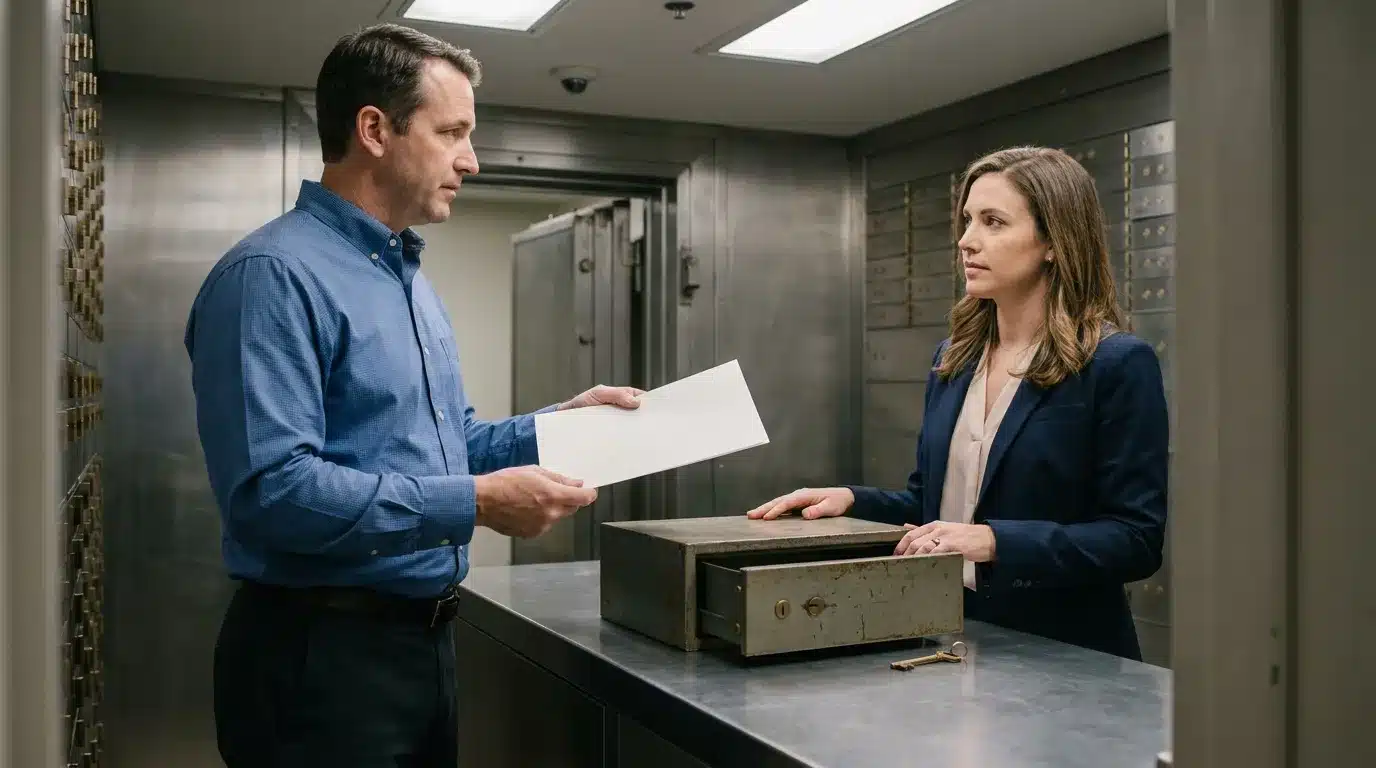
If the decedent had a safe-deposit box, a much shorter deadline generally applies. Under Fla. Stat. § 733.6065(1), the personal representative generally must file the safe-deposit box inventory within 10 days after the box is opened. The box must generally be opened and its contents inventoried with two persons present: the personal representative or their attorney, plus either another of those people or an employee of the institution. Both must sign the inventory, and the personal representative must verify it. The filing generally must include a copy of the box entry record from 6 months before the date of death through the date of the inventory.
This rule regularly catches families off guard. A personal representative may still be gathering documents for the general inventory when the box is opened, and that opening starts its own 10-day clock. Planning the opening carefully makes compliance easier.
| Inventory Type | Governing Authority | General Deadline |
|---|---|---|
| General estate inventory | Florida Probate Rule 5.340; Fla. Stat. § 733.604 | Within 60 days after letters of administration are issued |
| Safe-deposit box inventory | Fla. Stat. § 733.6065(1) | Within 10 days after the box is opened |
| Amended or supplementary inventory | Fla. Stat. § 733.604(2) | Promptly after new property or errors are discovered |
Correcting Mistakes and Adding Newly Found Assets
Florida law generally expects inventories to change when new facts come to light. Under Fla. Stat. § 733.604(2), if a personal representative learns of property left off the original inventory, or that a value or description was erroneous or misleading, they generally must promptly file and serve a verified amended or supplementary inventory listing the new items and values, or the corrections.
Discovering an asset late is common, especially with snowbird estates. Part-year Florida residents may have accounts, property, or safe-deposit boxes in other states, and out-of-state real estate may require ancillary probate. If you are concerned about property that seems to have disappeared, our article on when probate assets go missing explains what Florida families can do next.
Can You Get More Time?
In some situations, a personal representative may be able to ask the court for additional time. Florida Probate Rule 5.340 lets the court extend the deadline for good cause, depending on the facts and the judge’s discretion. Do not assume an extension will be approved. If a complex estate makes the 60-day deadline unrealistic, it is generally wise to file a motion before the deadline passes.
Beneficiary Rights and Inventory Privacy
Beneficiaries generally have specific rights to understand how estate assets were valued. Under Florida Probate Rule 5.340, a residuary beneficiary, or an heir in an intestate estate, who makes a written request is generally entitled to a written explanation of how an asset’s inventory value was determined. If an appraisal was obtained, the personal representative may provide a copy instead. The personal representative generally must also notify each of these beneficiaries or heirs of this right.
The inventory itself is generally not open to the public. Fla. Stat. § 733.604(1)(b)(1) generally makes estate inventories filed with the clerk, whether initial, amended, or supplementary, confidential and exempt from Florida’s public records law. The personal representative, interested persons, and others may get access as the statute allows, or by court order.
💡 Pro Tip: Keep a simple file with the source of every value you report, such as a statement, appraisal, or online valuation. It makes answering a beneficiary’s written request much easier.
Practical Steps for Treasure Coast Personal Representatives
Staying ahead of the deadline usually comes down to early organization. Stuart families we work with often feel most overwhelmed during the first few weeks after appointment, exactly when the 60-day clock is running. Building a master asset list, requesting statements, and scheduling any needed appraisals early can reduce stress significantly.
Our firm takes a tech-forward, data-driven approach to estate administration. We use modern tools to track deadlines, organize documents, and keep personal representatives informed. If you would like guidance from a Florida probate inventory deadline lawyer, our team can help you move from uncertainty to a clear plan. Outcomes always depend on the specific facts of each estate.
Frequently Asked Questions
1. When does the 60-day inventory deadline begin?
The 60-day period under Florida Probate Rule 5.340 generally begins when the court issues letters of administration. It does not begin on the date of death. Check the date on your letters to calculate your deadline.
2. Do I need a professional appraisal for every asset?
Florida law generally requires an estimated fair market value, not necessarily a formal appraisal for every item. Real estate, businesses, and valuable collectibles may justify an appraisal.
3. What happens if I find another asset after filing?
Under Fla. Stat. § 733.604(2), you generally must promptly file a verified amended or supplementary inventory. It should list the newly discovered item and its date-of-death value.
4. Can anyone look up the probate inventory?
Generally, no. Fla. Stat. § 733.604(1)(b)(1) generally makes probate inventories filed with the clerk confidential and exempt from public records disclosure, though interested persons and others the statute allows, or a court orders, may get access.
5. Does summary administration require the same inventory?
Summary administration follows a different, streamlined process designed for qualifying smaller estates. The inventory requirements discussed here apply to formal administration. Summary administration generally does not require a formal inventory, but the petition must still list the estate’s assets and their values.
Moving Forward With Confidence
Meeting the Florida probate inventory deadline is one of the first important duties you take on as a personal representative. In most cases, you have 60 days from the issuance of letters to file a verified inventory, and generally only 10 days after a safe-deposit box is opened to file that box’s inventory. Florida law also generally requires you to correct the record when new information comes in, protects the privacy of inventories, and may give beneficiaries the right to ask how values were determined. Because every estate is different, talk with an attorney about your specific situation.
You are the one honoring your loved one’s wishes, and we are here to guide you through the process. Visit The Law Offices of Travis R. Walker, P.A., call 772-708-0952, or reach out to our team online to schedule a consultation with our Stuart, FL family law and estate planning attorneys.
Disclaimer: This content is for informational purposes only and is not legal advice. Every case is unique, and results may vary. Consult an attorney about your specific circumstances.