


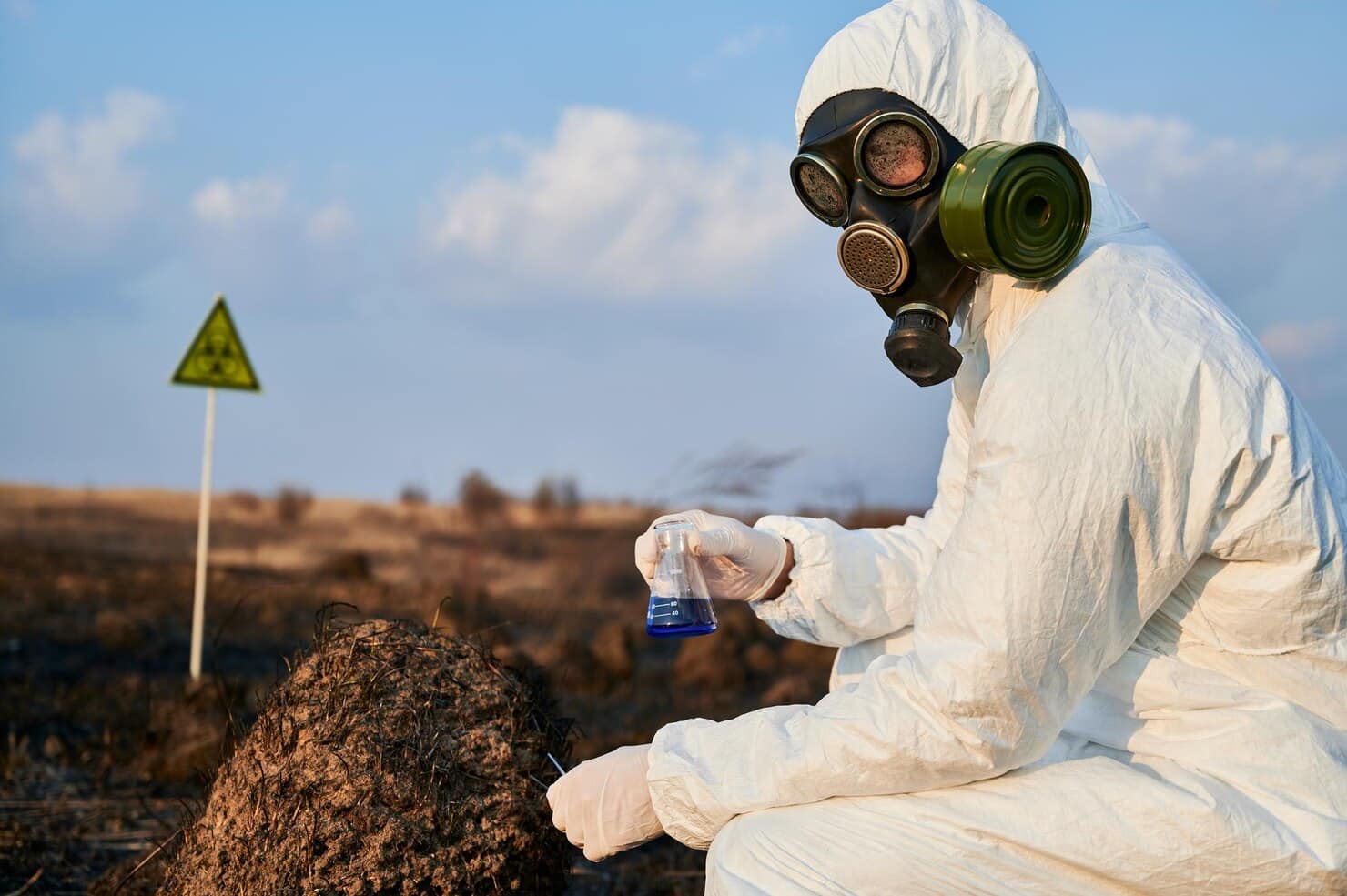
The PFAS forever chemicals contamination lawsuit litigation involves legal claims filed by individuals, communities, and governments after exposure to PFAS chemicals in water, soil, or consumer products. PFAS, often called “forever chemicals,” are substances that do not break down easily in the environment and can remain in the human body for years.
Understanding the PFAS forever chemicals contamination lawsuit is important because these chemicals have been found in drinking water supplies, industrial sites, firefighting foam areas, and certain consumer products. In many PFAS forever chemicals contamination lawsuit cases, plaintiffs argue that companies knew about the risks but failed to warn the public or properly control contamination.
This article explains what PFAS are, how exposure happens, what health risks are alleged, how lawsuits work, and who may qualify for a claim.
What Are PFAS “Forever Chemicals”?
PFAS stands for per- and polyfluoroalkyl substances. These are a large group of man-made chemicals used in many industrial and consumer products.
They are called “forever chemicals” because they:
- Do not break down easily in the environment
- Can stay in water, soil, and air for decades
- Can accumulate in the human body over time
In PFAS forever chemicals contamination lawsuit cases, the concern is that long-term exposure may lead to serious health effects.
PFAS have been used in products such as:
- Non-stick cookware
- Waterproof clothing
- Food packaging
- Firefighting foam
- Industrial manufacturing materials
How PFAS Exposure Happens
The PFAS forever chemicals contamination lawsuit claims often involve exposure through contaminated drinking water.
Common exposure sources include:
- Public water supplies near industrial sites
- Military bases using firefighting foam
- Manufacturing plants releasing chemicals into the environment
- Contaminated soil affecting nearby communities
People are often exposed without knowing it because PFAS are colorless and odorless in water.
Why PFAS Lawsuits Are Being Filed
The PFAS forever chemicals contamination lawsuit cases are based on allegations that chemical manufacturers and related companies:
- Released PFAS into the environment
- Failed to properly warn the public about risks
- Knew or should have known about long-term health concerns
- Did not properly control contamination systems
In simple terms, these lawsuits argue that companies exposed communities to harmful chemicals without adequate safety measures or disclosure.
Health Risks Linked to PFAS Exposure
In PFAS forever chemicals contamination lawsuit cases, plaintiffs often claim exposure is linked to certain health conditions.
Scientific research is still developing, but studies have examined possible connections to:
- Certain types of cancer
- Thyroid disease
- Liver damage
- Immune system effects
- Pregnancy complications
It is important to note that legal cases rely on expert medical testimony, and each claim requires proof of exposure and injury.
Who Can File a PFAS Lawsuit?
In PFAS forever chemicals contamination lawsuit litigation, potential claimants may include:
- Individuals exposed through contaminated drinking water
- Residents living near industrial or military sites
- Workers in chemical manufacturing or firefighting
- Property owners affected by contamination
For example, a family living near a contaminated water supply who later develops health issues may consult a lawyer to evaluate whether they qualify for a claim.
Types of PFAS Lawsuits
The PFAS forever chemicals contamination lawsuit litigation includes several types of legal actions.
Personal Injury Claims
These are filed by individuals who claim PFAS exposure caused health problems.
Water Contamination Lawsuits
These are brought by cities or utilities seeking compensation for cleaning contaminated water systems.
Property Damage Claims
These involve claims that PFAS contamination reduced property value or caused environmental harm.
Legal Theories Used in PFAS Cases
Courts in PFAS forever chemicals contamination lawsuit cases evaluate several legal claims.
Negligence
Negligence means a company failed to act with reasonable care in preventing harm.
Failure to Warn
This means companies did not properly inform the public about known risks of PFAS exposure.
Strict Liability
Strict liability means a company can be responsible for harm caused by a defective or dangerous product, even if it did not intend harm.
Environmental Contamination Claims
These focus on pollution of water, soil, and natural resources.
How PFAS Lawsuits Are Organized
The PFAS forever chemicals contamination lawsuit cases are often managed as mass torts.
This means:
- Many individual cases are grouped together
- Each claim is still evaluated separately
- Courts share evidence and expert findings
- Large-scale discovery is conducted
Some cases are also part of multidistrict litigation (MDL), which helps streamline complex nationwide lawsuits.
Evidence Used in PFAS Litigation
Courts review a wide range of evidence in PFAS forever chemicals contamination lawsuit cases, including:
- Water testing reports
- Environmental contamination studies
- Internal company documents
- Scientific research on PFAS exposure
- Medical records of affected individuals
This evidence helps determine whether exposure occurred and whether it is linked to injury.
Challenges in PFAS Cases
The PFAS forever chemicals contamination lawsuit litigation is complex due to several challenges:
- PFAS exposure often occurs over long periods
- Multiple companies may be responsible
- Scientific research is still developing
- It can be difficult to prove direct causation
Despite these challenges, many communities and individuals continue to pursue claims.
Possible Compensation in PFAS Cases
If a claim is successful in PFAS forever chemicals contamination lawsuit litigation, compensation may include:
- Medical expenses for treatment
- Ongoing healthcare costs
- Property damage compensation
- Water treatment and cleanup costs
- Pain and suffering damages
The amount varies depending on the type of claim and severity of harm.
Why PFAS Lawsuits Matter
The PFAS forever chemicals contamination lawsuit cases are important because they:
- Address large-scale environmental pollution
- Hold corporations accountable for chemical exposure
- Push for safer manufacturing practices
- Help communities recover cleanup costs
- Raise awareness about water safety
These lawsuits are also influencing future environmental regulations.
Conclusion
The PFAS forever chemicals contamination lawsuit litigation involves growing legal action over widespread chemical contamination affecting water supplies and communities. These cases focus on whether companies failed to prevent or warn about long-term risks of PFAS exposure.
Understanding the PFAS forever chemicals contamination lawsuit helps individuals and communities know their rights and whether they may have a potential legal claim related to environmental exposure and health impacts.