


Permanent Alimony in Florida
No matter the circumstances, divorce is almost always a complex process for all parties involved. This is especially true when it comes to the issue of alimony. Florida residents working through a divorce should be aware of the different types of alimony under Florida law and what factors may affect future alimony payments.
Traditionally, permanent alimony has been one of the more common alimony payments in Florida and across the United States. As the name suggests, permanent alimony involves alimony payments from one party to the other for life.
Recent legislation has significantly revised Florida’s divorce law to remove permanent alimony as a possibility in a divorce. Although permanent alimony is no longer an option, it is helpful for Florida residents to understand how it worked and how it differs from the types of alimony available under current Florida law.
The Law Offices of Travis R. Walker, P.A., is a reputable and reliable source for legal information and assistance for any Florida resident concerned about changes in alimony law affecting them in a divorce proceeding.
Understanding Permanent Alimony
Following a permanent alimony ruling in a divorce proceeding, one ex-spouse must make regular alimony payments to the other party until the death of one or both parties. Depending on the terms of the divorce agreement, permanent alimony payments may continue in events where the liable party predeceases the alimony recipient if the payer has sufficient assets in their estate.
In most cases, permanent alimony followed the dissolution of a marriage classified as “long,” which means marriages that lasted for 17 years or longer. In some cases with exceptional circumstances, permanent alimony was awarded for shorter marriages.
The most common circumstances in which courts ordered permanent alimony payments were when the court found that one spouse was unlikely to achieve the same standard of living they had while married. This usually happened when one spouse has been out of the workforce for so long that they would have been unlikely to achieve stable financial means to support themselves.
Following the modernization of no-fault divorce laws and women’s greater participation in higher education and the job market, permanent alimony became distinct from other types designed to meet different circumstances. In Florida, permanent alimony was distinct from the following three currently available types of alimony payments:
- Durational alimony: Regular alimony payments made for a limited period that cannot exceed the duration of the marriage
- Rehabilitative alimony: Alimony payments made to an ex-spouse who can eventually support themselves but needs financial support for a limited time
- Bridge-the-gap alimony: Similar to rehabilitative alimony but mandated for an even shorter period—usually not more than two years—to meet a specific need
Permanent Alimony Legal Framework in Florida
Until 2023, permanent alimony in Florida was an option for longer marriages—in most cases, marriages longer than 17 years—or shorter marriages with unique circumstances.
In July of 2023, Florida Governor Ron DeSantis signed measure SB 1416, significantly revising alimony law in Florida. The new law effectively prohibits permanent alimony rulings following a divorce. Instead, parties in a divorce can now seek to pay specific lump sum alimony payments and have new procedures to seek modifications or release from alimony payment obligations.
In addition, parties seeking alimony payments in Florida will have a higher burden to prove they need long-term alimony payments to support themselves. While ex-spouses may still be able to attain alimony payments for the rest of their lives, they must consistently demonstrate financial need throughout the payment period.
The law also allows judges to reduce or terminate alimony after considering several factors, including changes in the parties’ financial situations—such as retirement or job loss—and circumstances in the receiving party’s life.
The relevant factors to reduce or terminate alimony now include infidelity during the marriage or a non-marriage “supportive relationship” that their ex-spouse has entered. Essentially, this means that an ex-spouse who gets sufficient financial support from a new partner may lose their claim to alimony payments, even if they do not get legally married.
Factors Considered in Awarding Alimony
This new law adds several factors a court may consider when awarding alimony to one party in a divorce. The law also gives these factors continual significance, meaning that changes in any factors can change alimony payments in the future.
The following are the main factors determining permanent alimony payments in Florida:
- The duration of a marriage
- The financial resources of each party
- The earning capacities of each party
- The standard of living of one or both parties
- Changes in financial circumstances
- Instances of adultery during the marriage
- “Supportive relationships” that one party forms following the divorce
- The retirement age of one party’s profession
Duration and Modification of Alimony
Florida’s new alimony law makes the duration of alimony payments much more straightforward. In the past, a ruling of permanent alimony for one party following a divorce would be immutable until death. The liable party would bear the burden of proof to change the duration or amount of payments. Now, the party receiving alimony bears a much more significant burden of proof. They must demonstrate their ongoing financial need to achieve self-support.
The bill is not retroactive. Those who under previously issued permanent alimony orders must keep making payments. If that alimony order was non-modifiable, it still cannot be modified under the new law. However, if it is a modifiable arrangement, the factors and procedures provided by the new law would apply.
These changes in Florida alimony law can complicate an already-complex issue for all parties involved. In these cases, professional guidance is a must. Fortunately, Florida residents can turn to the expertise of The Law Offices of Travis R. Walker, P.A., for information, legal help, and support when navigating the ins and outs of alimony payments following a divorce.
Common Misconceptions about Permanent Alimony
Many assume permanent alimony payments are always made as periodic payments, usually monthly. However, under Florida’s new law, alimony payments can be made as lump sum, periodic payments, or both.
Seeking Legal Representation
If you are a resident of Florida and have concerns about how the new prohibition of permanent alimony will affect you, it’s essential to consult with an experienced family law attorney. The dedicated attorneys at The Law Offices of Travis R. Walker, P.A., have extensive experience navigating the complexities of Florida alimony law.
Today, The Law Offices of Travis R. Walker, P.A., serves Florida residents dealing with contested and uncontested divorces. Legal representation from our experienced and professional attorneys will help you maintain your rights and well-being throughout the divorce proceedings.
Get the Legal Help You Need
With the latest changes to alimony law and new factors affecting alimony payments, having the best attorneys on your side is more important than ever. If you are facing divorce in Florida and have questions or concerns about permanent alimony, contact the dedicated legal professionals at The Law Offices of Travis R. Walker, P.A., today.
Your Three Steps to Moving Forward
- Call our office or complete our contact form and set up an intake call with our Intake Coordinator.
- Attend a virtual or in-office consultation so we can better understand your case and determine how we can help guide you to success.
- Retain our firm so we may lead you through the legal process as quickly and painlessly as possible.
Trusted Advice, No Obligation
Currently Accepting New Clients
Our Firm offers consultations to prospective clients, providing you with the opportunity to meet with our team and see how our office can help your legal situation.
Divorce Related Pages
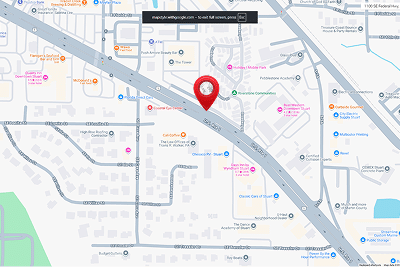
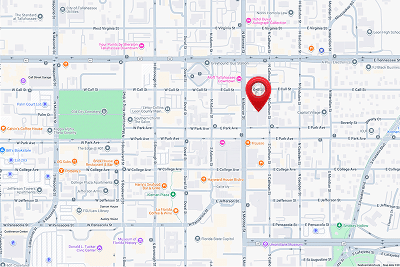
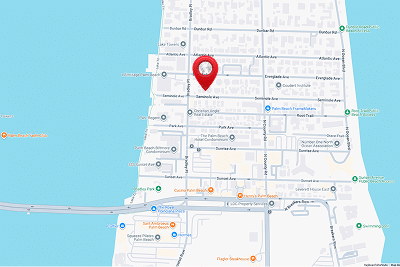
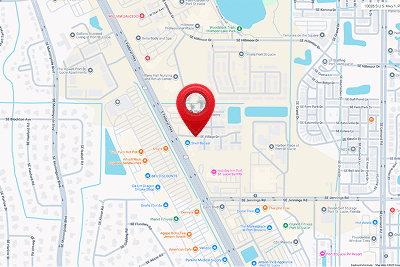
Our Office
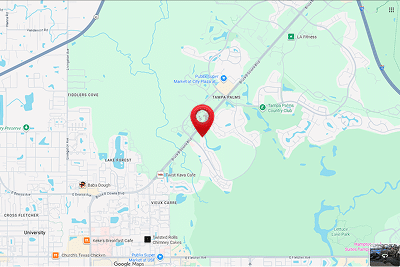
Client Testimonials
EXCELLENT Based on 402 reviews
 Posted on Google
 M Desantis
Trustindex verifies that the original source of the review is Google.
Working with this firm was a very positive experience. Mr. Walker was well-prepared, communicate thoughtfully, and demonstrate a genuine commitment, and ability, to resolving matters efficiently and professionally.Posted on Google victor basileCarlos Cabral is a GLADIATOR, except his domain is not the Colosseum, it is the courtroom! At trial he commands respect and uses his knowledge of the law as his sword to systematically dismantle and destroy the opposing council's case. You need a warrior like him on your side!! I couldn't be more impressed with his litigation prowess!!!Posted on Google
 Julius CaesarDani Marie, Ms. Wildman Esq. and head assistant Alex were absolutely amazing in creating a trust and living will. They were meticulous, methodical, and motivated to take care of her in the best way possible. I was highly impressed. Mr. Walker chose an amazing team that reflects his efficacy and quality of care perfectly.Posted on Google
 Daulton ScharfThe Law Office Of Travis Walker is one of the most exceptional, professional and comforting teams I have ever worked with. Travis and legal assistant Jillian D. assisted me with my first violation in my life, and they explained the entire process start to finish with me. I never felt confused, left out of the loop, or that they were never on my side! Even in the courtroom they both have a comforting and calming presence, as they are so confident in the work they provide! I would recommend their services to anyone who asks me, and will absolutely be coming back should I have any further troubles!Posted on Google
 Sheila PhangDaniMarie has been a pleasure to deal with, she’s very patient and knowledgeable. She walked me through each step of my Estate Planning, helping me understand the process. She makes herself available to answer any and all questions I have in regards to my Trust. If anyone needs a will or a trust, DaniMarie and Jillian are who I would recommend you ask to take care of you. Eva has been very patient and attentive, as well, helping me with my probate matter. She explained all in details in away that I could understand. I highly recommend Travis Walker Law to anyone that needs Estate planning or probate assistance. Amazing Team!Posted on Google
 Charles BourneThe team at Travis Walker Law Group provided me with excellent legal advice and got me through my issues smoothly and with prompt communication. I appreciate all of their support. I highly recommend them.Posted on Google
 Lisa CranmerThey have been great working with, Thank goodness for a great attention to help victims of abuse also.
Divorce Blogs
Why Full Financial Transparency Shapes Every High-Asset Divorce in Stuart Key Takeaways: Florida high-asset divorces require exchanging sworn financial affidavits and supporting records covering income,

The Math Behind Your Stock Awards: How Florida Courts Separate Marital From Separate Equity Key Takeaways: A coverture fraction is the time-based approach Florida courts

Understanding Business Value When a Marriage Ends in Florida Key Takeaways: In Florida, business value in divorce depends on whether it’s classified as enterprise goodwill