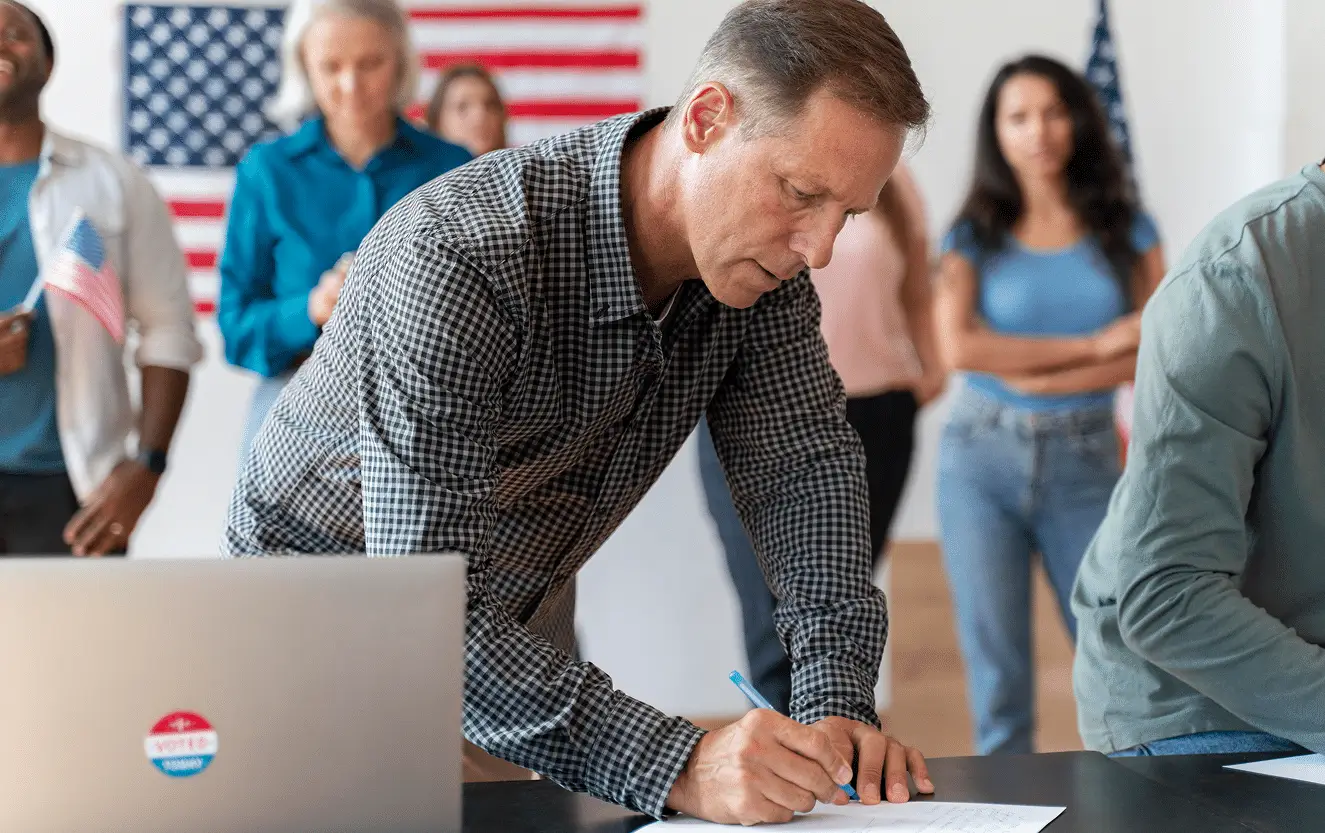



Discovering that a loved one’s will may not meet Florida’s strict legal requirements can be deeply unsettling. If you are dealing with what you suspect is an invalid will in Florida, you likely feel confusion, fear, and even guilt. You are not alone. Will contests and validity issues are common. Because Florida probate laws are very specific, a small oversight can render a document unenforceable. Here is what you need to know about an invalid will in Florida and how to navigate the legal path forward.
Why Florida Rejects Flawed Wills
Florida law has some of the toughest standards for legal wills. These rules prevent fraud and protect families. For a will to be valid, it must meet strict criteria. The person making the will must be of sound mind. They must sign the document at the end. Most importantly, two witnesses must sign it in the presence of the testator and each other.
When a will fails these requirements, the court cannot honor it. This happens even if the document clearly expresses the person’s wishes. Understanding what defines an invalid will in Florida helps families prepare for the next steps.
Common Reasons a Will Fails to Meet Florida Requirements
Families often learn that a will is invalid in Florida for one of the following reasons:
- Lack of Proper Witnesses: It was handwritten or typed but never properly witnessed, or only one witness signed it.
- Improper Execution: The witnesses did not sign in each other’s presence, or the testator did not acknowledge the signature properly.
- Questionable Capacity: There is evidence that the deceased did not understand what they were signing or were suffering from dementia or undue influence.
- Holographic Wills: A handwritten (unwitnessed) will is generally not valid in Florida, unlike some other states.
- Document Issues: The document was altered after signing, missing pages, or was created via an online template without proper execution formalities.
- Revocation: A newer will exists that conflicts with the older one, or the old will was physically destroyed with intent to revoke it.
These problems can feel overwhelming, especially during grief, but identifying them early is crucial for protecting the estate.
What Happens When a Will Is Invalid?
If the Florida probate court determines that the will is not valid, the estate does not simply dissolve. Instead, the estate is handled under Florida intestacy law.
Intestate succession is the default legal framework that dictates who inherits your property based on a statutory hierarchy. This means the courts will decide the beneficiaries based on their blood relation to the deceased, not based on the wishes expressed in the flawed document.
This can lead to unexpected and often undesired results, particularly in:
- Blended families: A stepchild may not inherit under intestacy laws, even if the deceased viewed them as their own child.
- Estranged relatives: A distant cousin might inherit before a close friend.
- Unequal distributions: If the deceased intended to give more to one child who provided care, intestacy law will likely split the assets equally among all children.
However, even when a will is invalid, families may still use certain supporting documents, witness testimony, or prior drafts to clarify intentions in court—though the judge has the final say.
What You Can Do If the Will Doesn’t Meet Legal Requirements
If you suspect a will may be invalid, here are the most important steps to take immediately to protect the estate and minimize family conflict.
1. Gather All Estate Documents Immediately: Do not discard anything. Even flawed wills, drafts, or handwritten notes may provide helpful context to professionals regarding the deceased’s relationships and intentions.
2. Avoid Family Conflict Early: Invalid wills often lead to disagreements among siblings and relatives. Keeping communication open and transparent can prevent unnecessary strain and costly litigation down the road. Remember that the person who caused the will to be invalid may not have done so intentionally.
3. Speak With a Florida Probate Attorney Quickly: Time can be of the essence in probate matters. An experienced attorney can evaluate whether the will truly fails legal requirements and guide you on whether intestate law applies or if there is a legal basis to admit the document to probate despite its flaws (such as through summary administration or witness testimony).
4. Prepare for a Clearer Path Forward: Even without a valid will, Florida law provides a structured inheritance process. You do not have to face it alone. An attorney can help you navigate the probate of an intestate estate, ensuring debts are paid and assets are distributed correctly to the legal heirs.
You Don’t Have to Navigate This Alone
If you’re feeling overwhelmed or unsure about the next steps regarding an invalid will in Florida, compassionate legal guidance can bring clarity and peace of mind. Understanding your options is the first step toward resolving the situation and honoring your loved one’s legacy as best as possible under the law.
The team at traviswalkerlaw.com is here to help you understand your options and move through the Florida probate process with confidence.
Learn more about Probate Law and Florida Probate Process.